 EN
EN 中文
中文 ES
ES RU
RU FR
FR PT
PT AR
AR DE
DESelecting an ATEX Radar Level Transmitter for Hazardous Areas
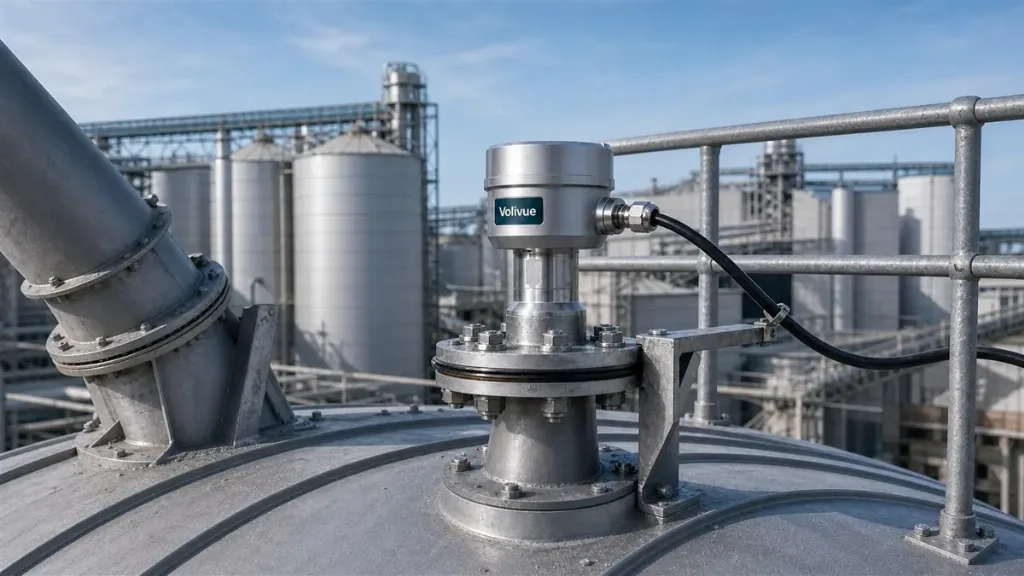
Choosing an ATEX radar level transmitter for a flammable or combustible process is a compliance decision before it is a measurement decision. In a hazardous area, the instrument has to do two jobs at once: report tank or vessel level accurately, and remain incapable of igniting the surrounding atmosphere under both normal operation and defined fault conditions. Frequency-modulated continuous-wave (FMCW) radar is a strong fit for the first job because it is non-contact and unaffected by most vapors, but the second job is governed entirely by how a given model is built, tested, and certified. This article explains the concepts an engineer needs to frame that selection — area classification, protection methods, and documentation — without making the certification judgment on any reader’s behalf.
The aim here is conceptual and vendor-neutral. Every claim about whether a specific instrument suits a specific area must rest on that product’s own certificate and marking, not on a general article. Explosion-protection variants of FMCW radar transmitters are available by model for hazardous gas and dust areas; the exact scope of any approval is defined only by the documentation supplied with the unit.
Why Radar Suits Hazardous-Area Level Measurement
A radar transmitter measures level from above the medium without contacting it. For a flammable liquid or a combustible powder, that non-contact principle removes a class of mechanical concerns: no moving float to seize, no probe sitting permanently in the product, and no intrusive element to abrade or accumulate residue. The instrument reads the surface through the vapor space, so it is largely indifferent to the pressure and light vapor layers that often accompany volatile media.
FMCW ranging adds robustness on top of that. Because the technique resolves reflectors in the frequency domain rather than by timing a nanosecond pulse, it produces a stable reading and tolerates the changing surface conditions common during filling and emptying. Typical performance — a measuring span on the order of 0.1 to 30 m and accuracy in the low single-digit millimeter range on capable models — supports both inventory and routine process control. As always, the figures that matter are the ones printed for the specific variant, so confirm the span and accuracy of the radar liquid level transmitter you intend to install against its data sheet.
None of these measurement strengths, however, make an instrument safe to install in a hazardous area on their own. Suitability comes from the explosion-protection construction and the certificate that accompanies it, which is where area classification enters the picture.
Hazardous Area Classification: Gas and Dust Zones
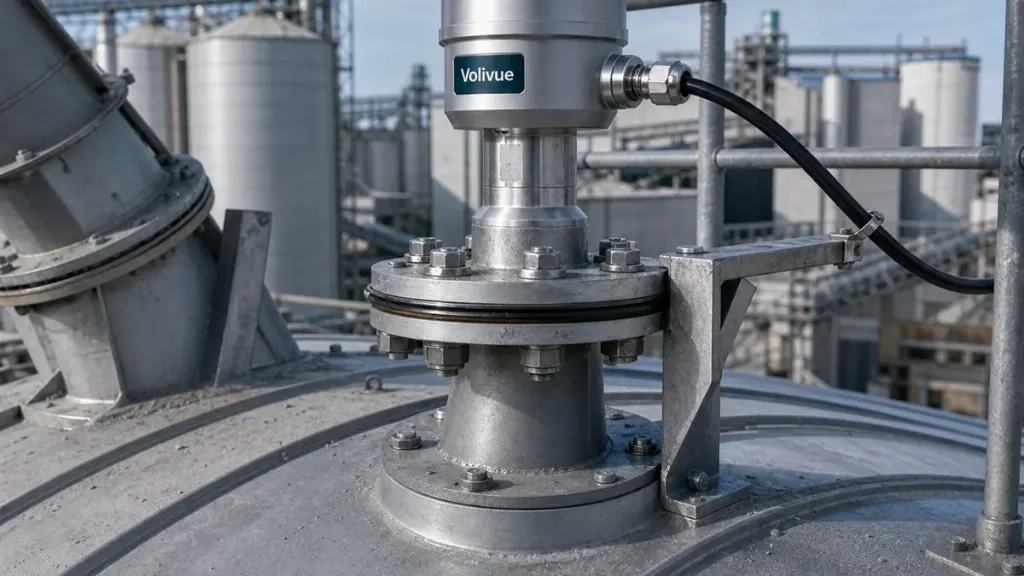
Before any instrument is selected, the area itself has to be classified by the site’s responsible engineer or a competent authority. Classification describes how likely a flammable or combustible atmosphere is to be present, and that likelihood determines how rigorously protected any equipment installed there must be. The transmitter is selected to match the zone — the zone is never relaxed to match the instrument.
Two atmosphere families are commonly distinguished. The first is flammable gas, vapor, or mist — for example, the vapor space above a solvent or fuel tank. The second is combustible dust, such as the powder around grain, sugar, or fine chemical handling. These are assessed separately because gas and dust ignite and propagate differently, and equipment is approved for one, the other, or both.
Within each family, areas are graded by how often the hazardous atmosphere occurs: from places where it is present continuously or for long periods, through places where it is likely only during occasional or abnormal operation, to places where it is unlikely and short-lived. A radar transmitter is then specified so that its certified category is appropriate to the graded zone in which it will sit — a determination made from the site’s classification drawing and the instrument’s certificate together, not from a vendor’s marketing description.
Explosion Protection Concepts
Hazardous-area instruments prevent ignition through recognized protection concepts, and it helps to understand the families at a conceptual level even though the binding detail lives in the certificate. The point of each concept is the same: ensure the device cannot supply the energy needed to ignite the surrounding atmosphere.
One common approach limits the electrical energy in the circuit so that no spark or hot surface capable of ignition can occur, even when components fail — a low-energy philosophy often paired with suitably rated barriers in the loop. Another contains any potential ignition inside a robust enclosure built to withstand an internal event and stop it propagating outward. A third family keeps the hazardous atmosphere away from the electronics or otherwise restricts the conditions under which a fault could ignite anything. For dust environments, protection also addresses surface temperature and dust ingress, because a hot exterior or an internal dust layer can itself become an ignition source.
A radar transmitter’s hazardous-area variant is built around one or more of these concepts, and the wiring practice it demands follows from that construction — whether the loop requires a certified barrier, what enclosure discipline applies, and how cable entries must be sealed. The instrument’s documentation specifies which concept governs and therefore how it must be installed; that document, not this overview, is the authority for any given unit.
What to Consider When Specifying
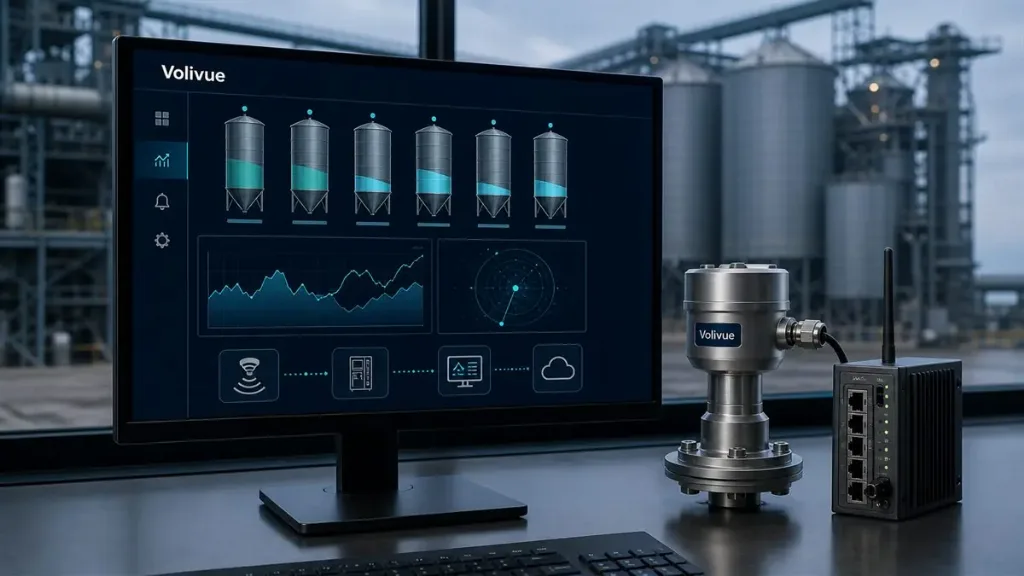
Specifying a hazardous-area radar transmitter is an exercise in matching documented capability to the classified installation, and the right sequence keeps the decision defensible. Start from the area classification drawing, not from a preferred instrument, so the requirement is fixed before any product is compared against it.
With the requirement established, weigh the following — always reading the answer from the product certificate, not assuming it:
- Certified scope versus the classified zone. Confirm that the variant’s approval covers the atmosphere family (gas, dust, or both) and the zone grade present at the mounting point. Where it does not match, the instrument is not a candidate, regardless of measurement merit.
- Protection concept and resulting wiring discipline. Establish which concept the variant uses and what that implies for barriers, enclosure handling, grounding, and cable entries, so the installation plan is correct from the outset.
- Process and mechanical interface. Verify that the process connection, antenna, wetted-material compatibility, and the IP67/IP68 enclosure rating suit the medium and mounting, since a compliant instrument still has to survive its chemical and environmental duty.
- Output and integration. Check that the available signal — 4–20 mA, HART, RS485 Modbus, or a relay output, by model — fits the control system and any safety function the loop must support.
This article cannot decide whether a particular instrument is approved for a particular area. That conclusion belongs to the responsible engineer reading the actual certificate against the site classification. If you want a structured discussion of how a radar variant maps onto your classified installation, the engineering team can walk through it with you — share your hazardous-area application for review.
Installation and Documentation Discipline
A correctly chosen transmitter only stays compliant if it is installed and documented as its certificate requires. The protection concept dictates concrete field practice: certified barriers must be fitted where the design calls for them, enclosures closed and sealed to the stated discipline, cable glands and unused entries kept to the rated protection, and grounding and bonding done exactly as instructed. Skipping any of these can void the protection the certificate otherwise provides.
Documentation is part of the installation, not an afterthought. The certificate, the device marking, and the manufacturer’s installation instructions should be retained in the plant’s hazardous-area equipment records, alongside the area classification drawing and the loop’s verification evidence. That paper trail demonstrates, during audit or incident review, that the installed instrument’s certified scope genuinely matched the zone it sits in. Where dust is involved, the records should also reflect the housekeeping and surface-temperature assumptions the protection relies on, since accumulated dust changes the conditions the certificate was issued against.
Hazardous-area requirements are also independent of the measurement technology itself. The same FMCW principle behind a liquid-level transmitter underlies non-contact level measurement for solids; an 80GHz radar level instrument for solids and powders faces the same discipline of matching a certified variant to a classified dust area. The rule is identical: the certificate defines what is permitted, and the installation must honor it.
Bringing It Together
A sound hazardous-area selection runs in one direction: classify the area, read the requirement, then find a certified radar variant whose documented scope, protection concept, process interface, and output all satisfy it. FMCW radar earns its place in flammable and combustible processes because non-contact measurement avoids intrusive failure modes and stays stable across difficult vapor and surface conditions — but that strength never substitutes for compliance. Explosion-protection variants are available by model for hazardous gas and dust areas, and the precise approval, marking, and installation discipline are defined by each unit’s own certificate, which remains the final authority.
Related reading: see our hazardous-area compliance checklist in the technical insights library for a step-by-step ATEX and IECEx documentation walkthrough.