 EN
EN 中文
中文 ES
ES RU
RU FR
FR PT
PT AR
AR DE
DE
Patch-Mount Silo Weighing System
Tons on hand — without touching the roof.
Strain sensors clip to the silo's support legs and read inventory as mass — no roof cutting, no emptying, no production stop.
Weighing measures what purchasing actually asks for: tons.
Level instruments infer inventory from a surface. Patch-mount weighing skips the physics entirely: strain sensors on the support legs track mass directly, so pile shape, dust, dielectric constant, and material behavior play no role in the reading.
Because the sensors attach externally, retrofit needs no roof opening, no silo emptying, and no production stop — a standard installation finishes in 2–4 hours per silo.
Engineered for silos that can never stop.
Retrofit without the retrofit pain.
No crane, no roof crew, no silo emptying. Sensors clamp to the existing support legs from the ground or a short ladder, and a standard silo is live on the dashboard within 2–4 hours.
Production continues throughout — the silo never knows it happened.
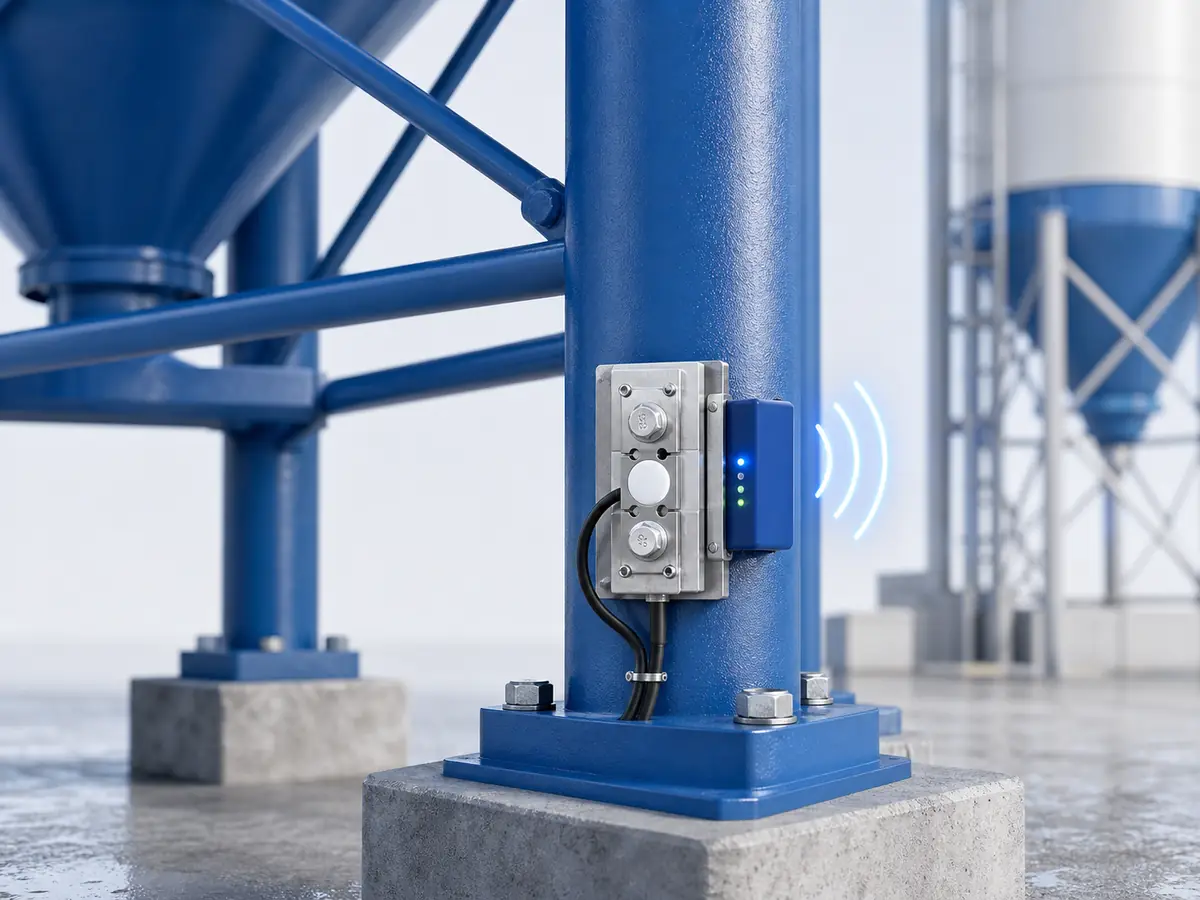
Mass, not a guess from the surface.
Strain sensors track the load path through the legs, so the output is tonnage — directly. Cone-shaped piles, rat-holing, filling dust, and low-dielectric powders that confuse level instruments simply don't participate in the measurement.
Purchasing reads the same number the silo actually holds.
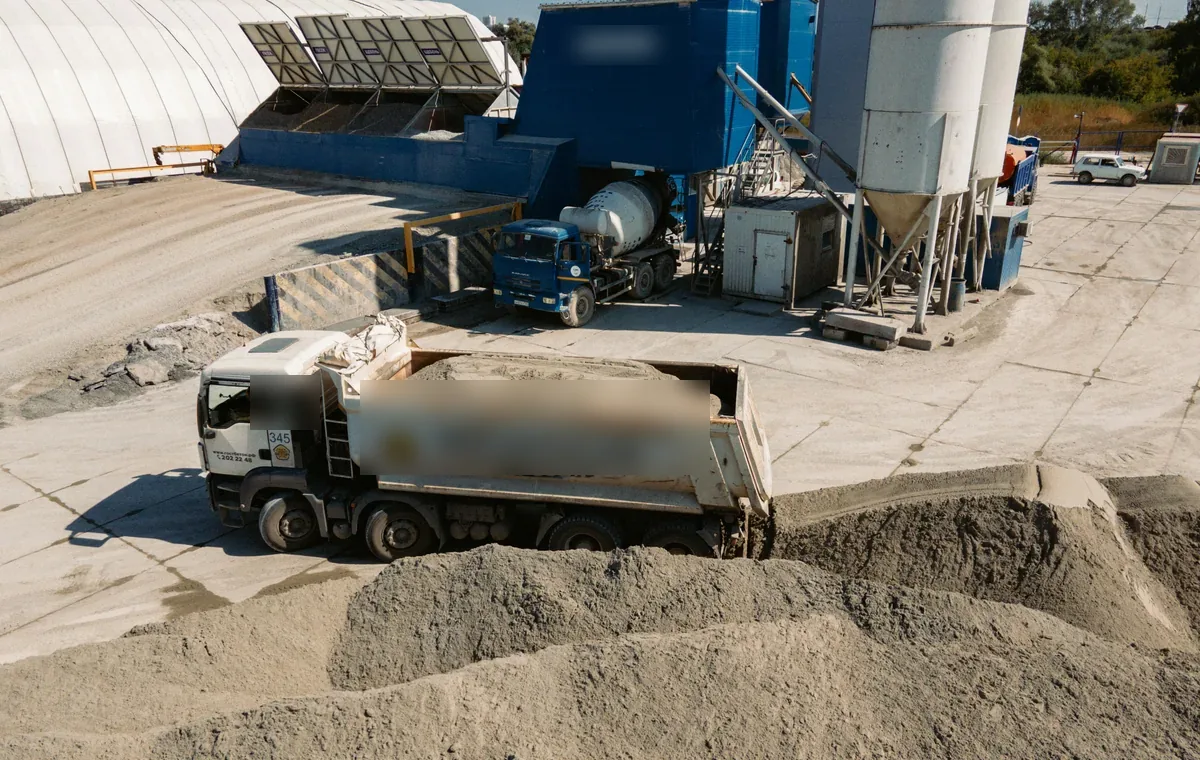
AI calibration that keeps learning.
On-site calibration anchors the system against known fill events; the algorithm then compensates temperature drift and structural effects continuously. Trends, low-stock alarms, and in/out flow analysis come standard on the platform.
Remote diagnostics stay available after commissioning.
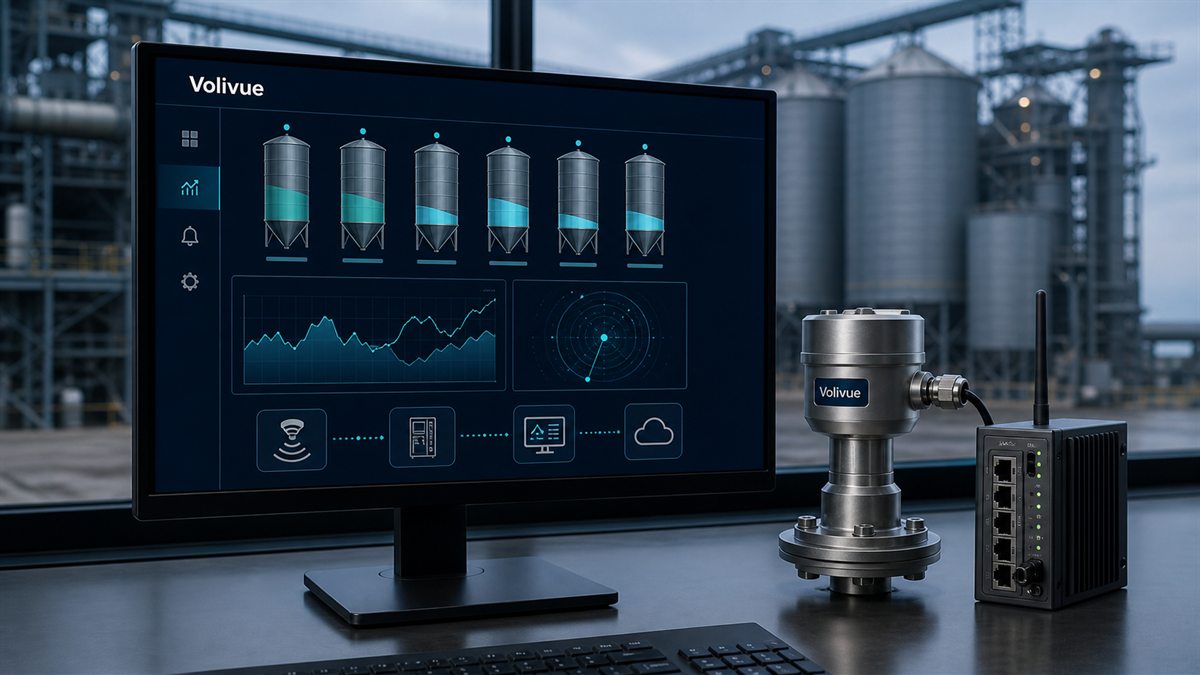

Four legs. Four sensors. Live tons by lunchtime.
A typical retrofit — from first clamp to live dashboard.
Match your silo type to a proven package.

Cement & fly ash silos
Tons on hand for purchasing without drilling an operating silo roof.
View application →
Food, feed & grain silos
Inventory accuracy for audit and procurement in hygienic environments.
View application →
Plastic pellet & powder silos
Mass feeds ERP and production planning, indifferent to pellet dielectric behavior.
View application →
Retrofit on supported silos
Running plants instrument whole silo farms without a single stop.
View application →Twelve points to check before you buy silo weighing.
The two right-hand columns reflect conventional load-cell weighing as commonly quoted and manual stock checks — verify the details with each vendor.
Accuracy class, sensor plan, and structural fit are confirmed by on-site calibration and project review.
Does my silo qualify for patch-mount weighing?
The system needs accessible support legs — typically 2 to 12 steel or concrete legs per silo, confirmed by structural review. Skirt-supported or foundation-seated silos route to a roof-mounted 80–120GHz radar instead.
How accurate is it compared to load cells?
Load cells under the legs are the laboratory reference, but rarely retrofittable. Patch-mount strain sensing targets a ±1.0% F.S. class after on-site calibration against known fill events — accurate enough for purchasing, planning, and audit in typical inventory use.
How long does installation take? Do we stop production?
A standard silo takes 2–4 hours with no emptying, no roof cutting, and no production stop. Sensors clamp externally to the legs; cabling and the gateway complete the same visit.
How is the system calibrated?
Initial calibration anchors readings against known fill or discharge events (weighbridge tickets work well). AI algorithms then compensate temperature drift and structural effects continuously, and recalibration checks can run remotely.
Is it affected by dust, pile shape, or material type?
No. The sensors measure mass through the leg load path, so cone piles, rat-holing, filling dust, and dielectric behavior play no role. That is the core advantage over level-based inventory for legged silos.
What outputs and protocols are supported?
RS485/Modbus to PLC and SCADA at device level; the Volivue platform adds Modbus TCP, OPC UA, REST API, and MQTT for ERP and MES integration. Project-specific interfaces are quoted separately.
Can it feed our ERP or MES directly?
Yes. Tonnage per silo, trends, and low-stock alarms flow through the platform into ERP/MES, so purchasing and production planning work from live inventory instead of estimates.
Can it be used for trade settlement?
It is an inventory instrument, not a certified trade scale. Where settlement-grade mass is required, pair the system with weighbridges or belt scales — many plants run both.
What about temperature extremes and outdoor silos?
Temperature effects are part of the calibration model, and operating range is confirmed per project. Outdoor leg-supported silos are the standard application — environment details are checked during review.
How do I get a price?
Volivue sells factory-direct with a configured quotation per silo farm. Send leg count and material, silo capacity, stored material, and target interface — engineers reply with a reviewed sensor plan, typically within one business day.
Can we instrument a whole silo farm in one project?
Yes — that is the typical rollout. Crews instrument multiple silos per day since no silo needs emptying, and all silos land on the same dashboard with consolidated reporting.
What information should I prepare for the review?
Leg count and material (steel or concrete), silo capacity and geometry, stored material, foundation condition, photos or drawings of the legs, and the target interface or system the data should reach.
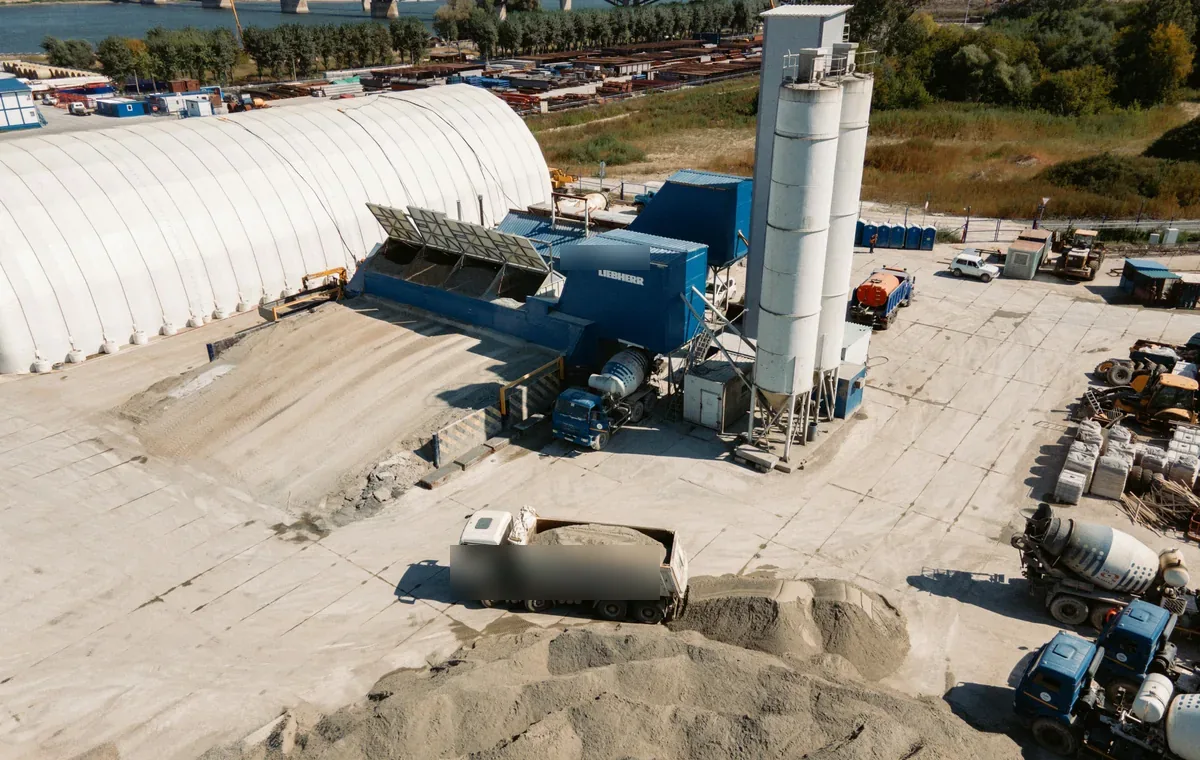
Real roofs, real legs, real yards.
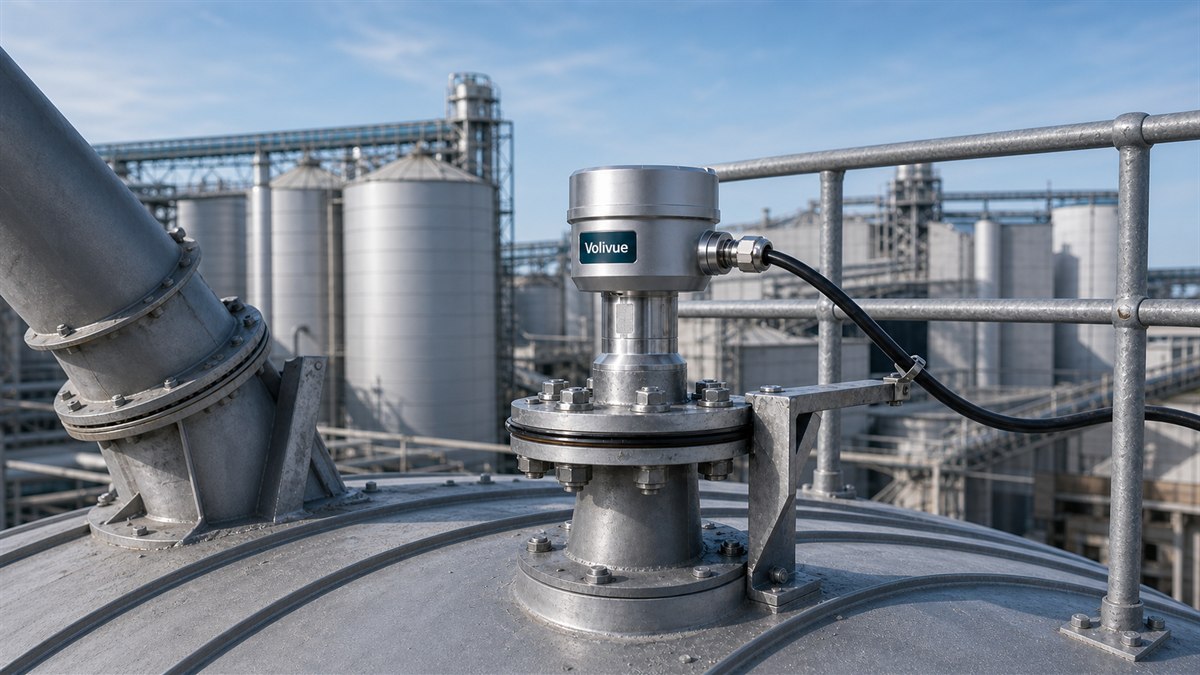
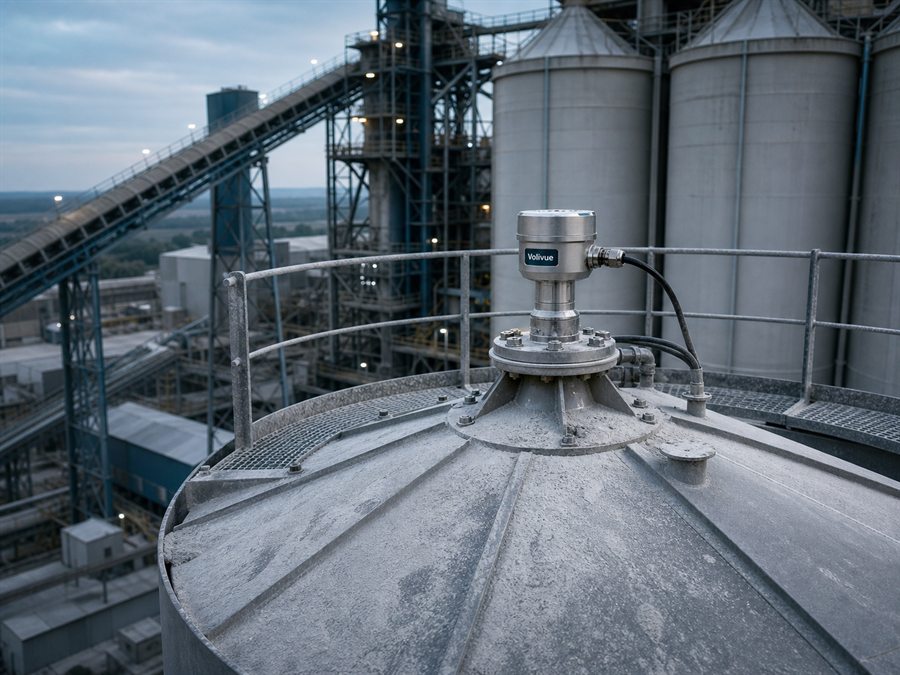
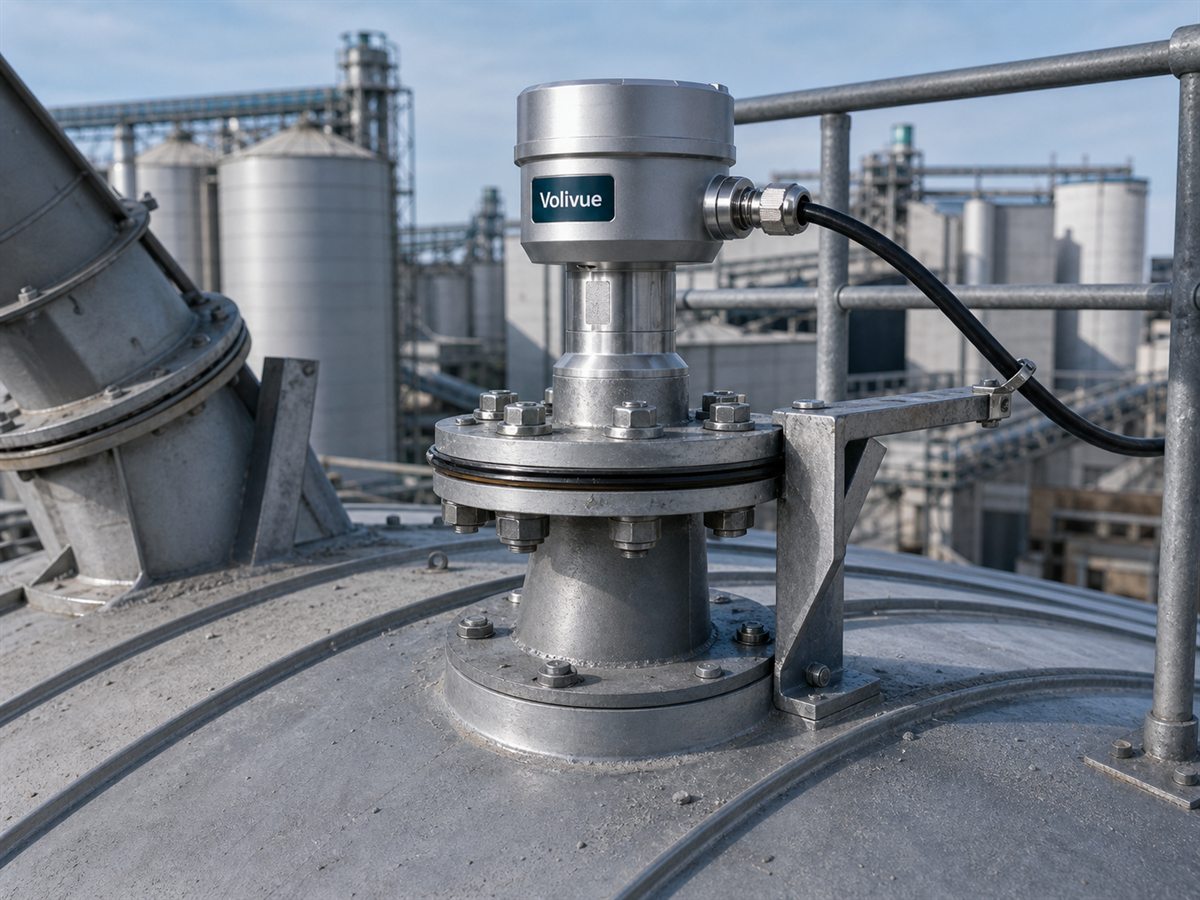
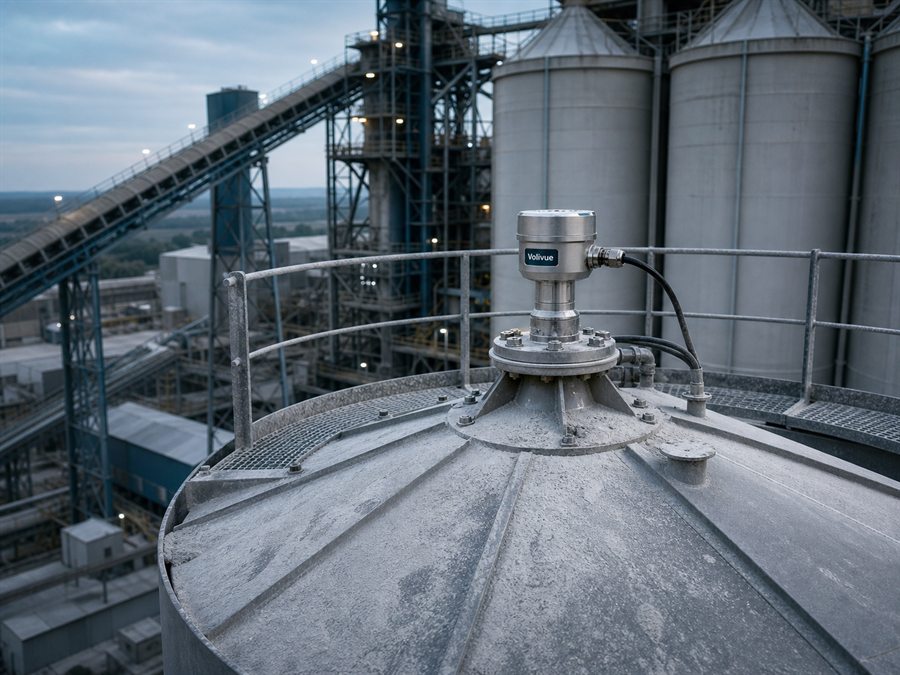
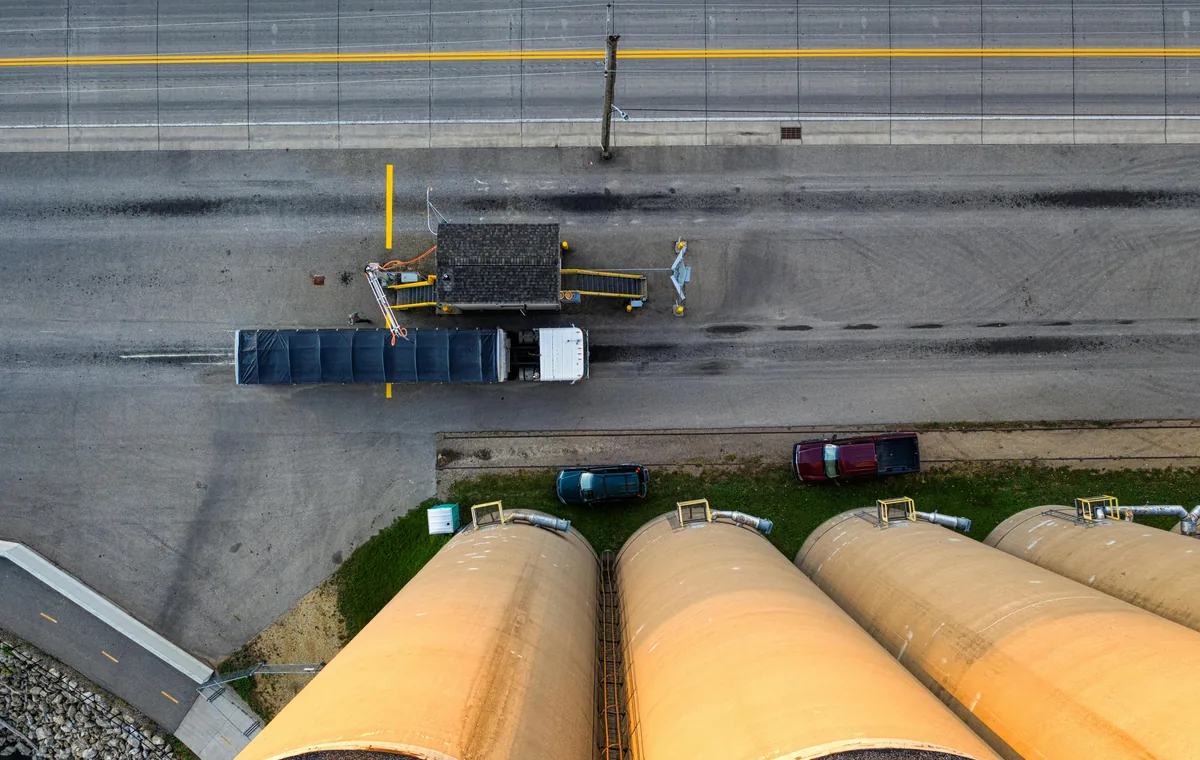
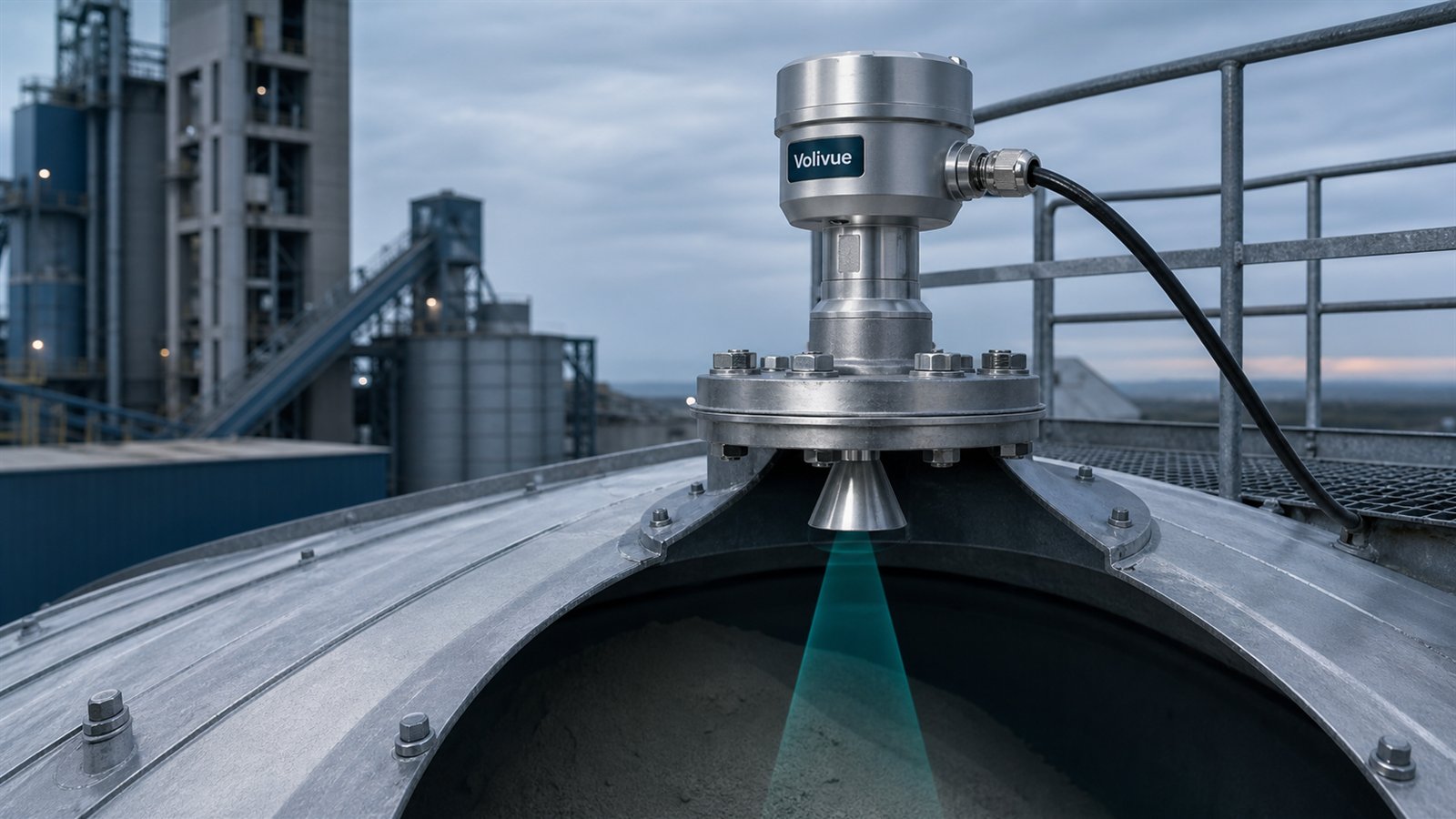
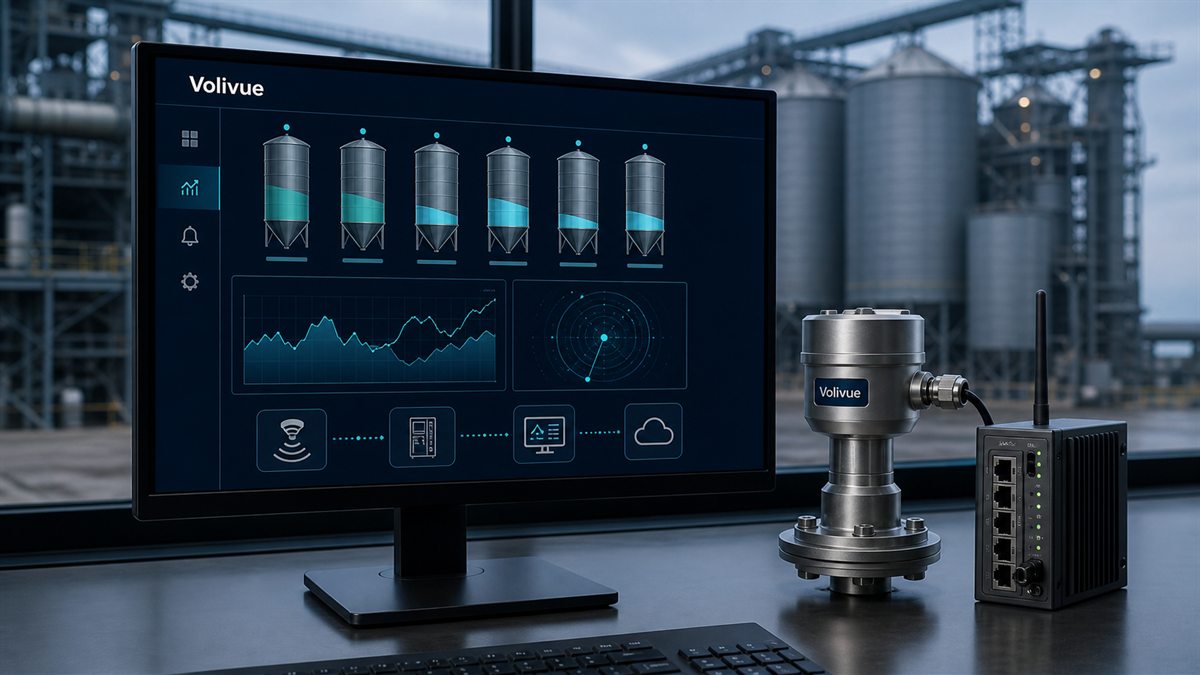
Field installations across cement plants, batching stations, tank farms, and stockyards.



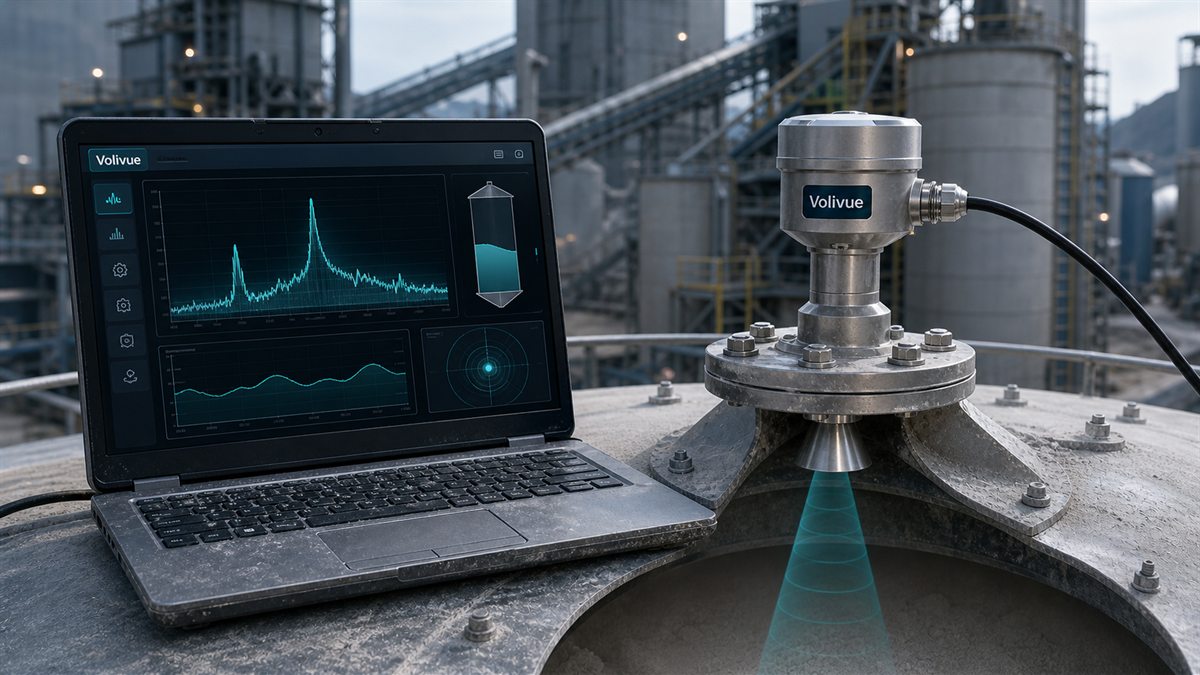
Let us review your silo project.
Send silo type, drawings, material behavior, monitoring points, country or region, and integration target. We will return a practical configuration suggestion and next-step list.
Related technical insights
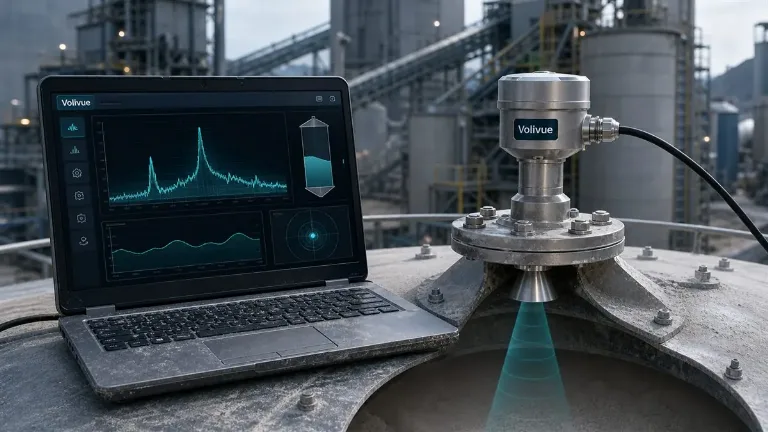
Fly Ash Level Measurement in Coal-Fired Power Plant Silos
Reliable fly ash level measurement keeps power plant silos safe and productive—why 80GHz radar handles dust, low dielectric, and pneumatic flow.

Silo Weighing Integration: 4–20 mA, Modbus, and API Paths to PLC, SCADA, and ERP/MES
A practical guide to silo weighing integration across 4–20 mA, RS485 Modbus, and API paths into PLC, SCADA, and ERP/MES, with data flow and reconciliation.

Silo Weighing vs Radar Level vs Load Cells: A TCO and Selection Guide
This silo weighing cost comparison contrasts patch-mount strain weighing, 80GHz radar level, and load cells by accuracy, retrofit fit, and total cost.