 EN
EN 中文
中文 ES
ES RU
RU FR
FR PT
PT AR
AR DE
DE
Industry solution / Chemicals, water treatment, and process liquids
Chemicals, Water Treatment, and Process Liquid Level Automation Solutions
Volivue provides radar liquid level transmitters, ultrasonic level sensors, and combined ultrasonic-radar liquid level systems for chemical storage tanks, reactors, wastewater treatment basins, water treatment plants, and industrial process vessels — with technology selection guided by medium and process conditions, covering simple clean tanks through demanding process containers.
Level management challenges in chemicals, water treatment, and process liquids
Steam, foam, and corrosion cause instrument misread
Vapor, foam, corrosive media, high temperature, and pressure inside chemical tanks cause conventional ultrasonic or float instruments to fail frequently; application-specific selection is required.
Overfill and pump dry-run risk is hard to control
Delayed or unreliable level data prevents effective prevention of chemical spills (environmental and safety incident risk) and pump dry-run events (equipment damage).
Multi-tank level data is fragmented
Chemical plants often have tens or hundreds of tanks; isolated instrument signals cannot be aggregated into DCS/SCADA or ERP, leaving operations data siloed.
Simple cases do not warrant expensive radar
Clean water tanks and wastewater basins with uncomplicated conditions are over-specified and over-budget if fitted with high-end radar; a tiered selection path is needed.
Volivue solution architecture for chemicals, water treatment, and process liquids
Radar liquid level transmitter (preferred for demanding conditions)
FMCW radar liquid level transmitter for tanks with steam, foam, corrosion, high temperature, pressure, or hazardous-area classification. 4-20mA/HART/Modbus output with Bluetooth commissioning.
View radar liquid level transmitter →
Ultrasonic liquid level sensor (clean, atmospheric, cost-sensitive)
Ultrasonic level sensor for clean water tanks, wastewater basins, and atmospheric non-corrosive liquids — the cost-effective choice for water treatment and utility applications.
View ultrasonic liquid level sensor →
Combined ultrasonic-radar liquid level system (mixed-condition plants)
When a plant has both simple and demanding tanks, a combined system evaluation selects technology per tank and consolidates all level data into a unified platform.
View ultrasonic and radar liquid level system →Quantified benefits and risk reduction
Provide Volivue with tank medium parameters, process conditions, and signal interface requirements to receive a complete liquid level instrumentation solution and quotation for your chemical or water treatment plant.
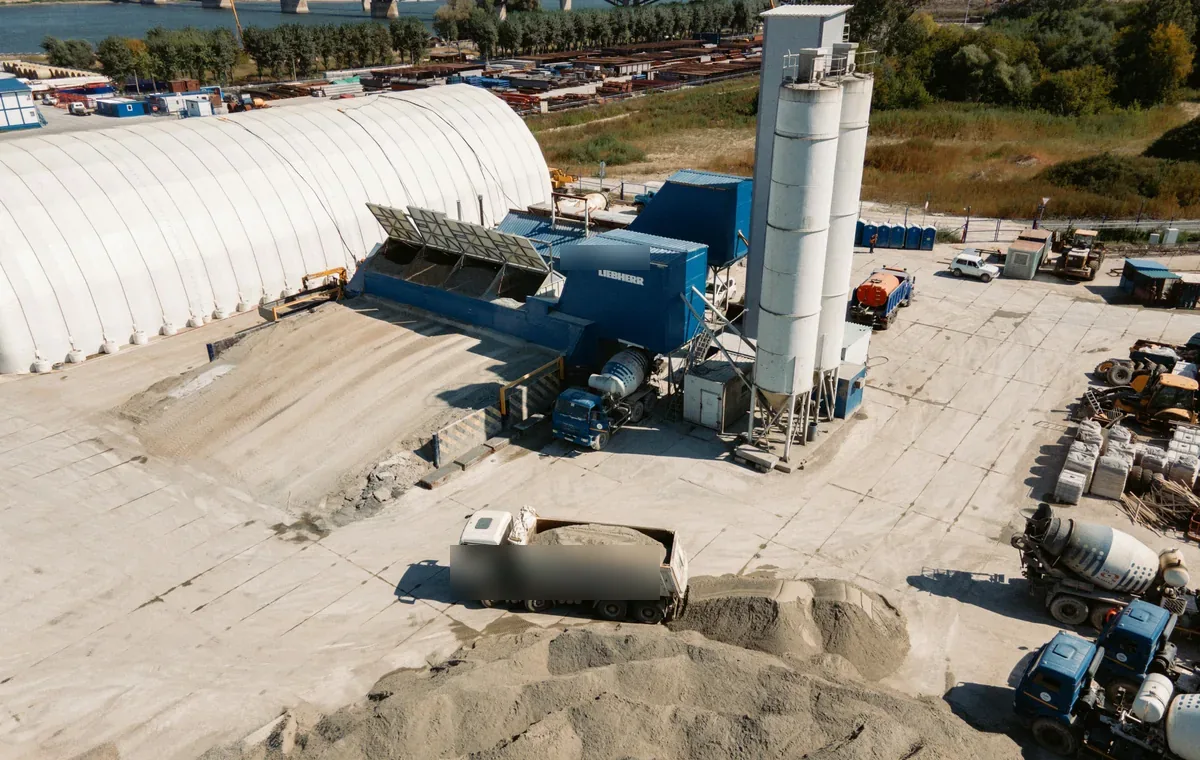
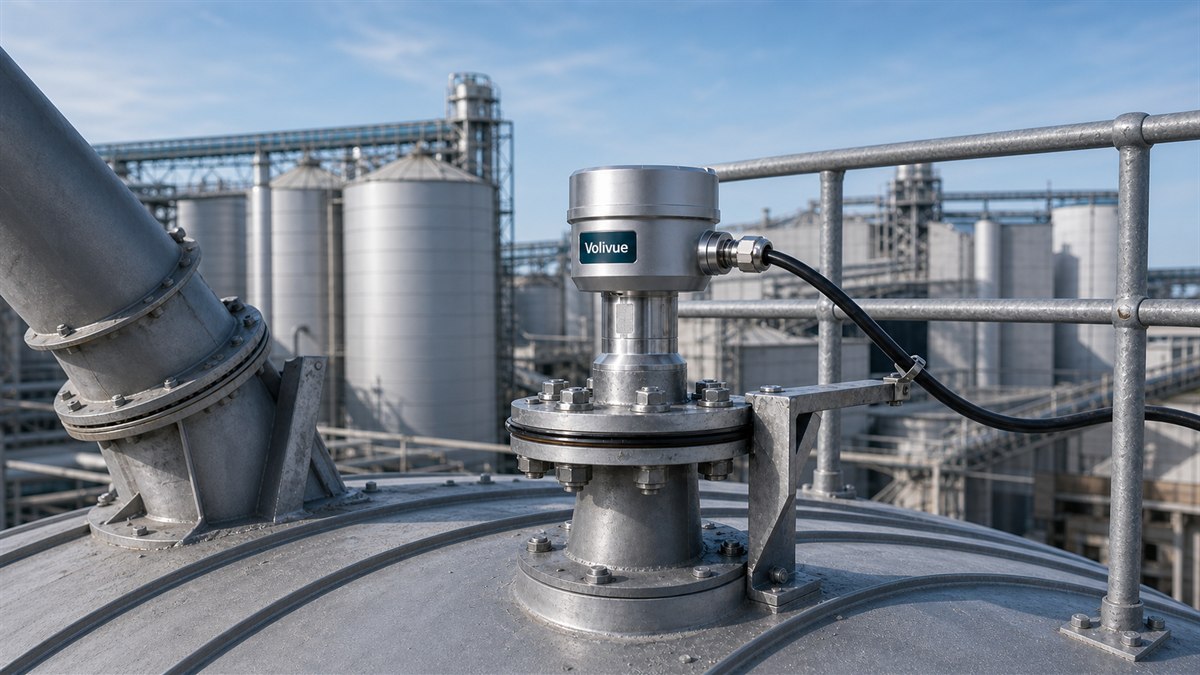
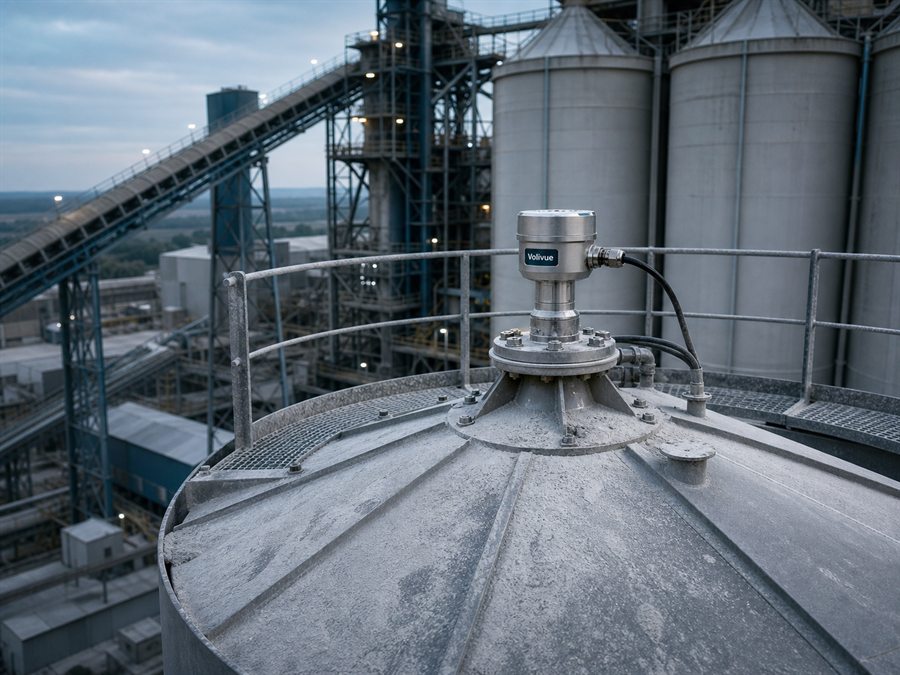
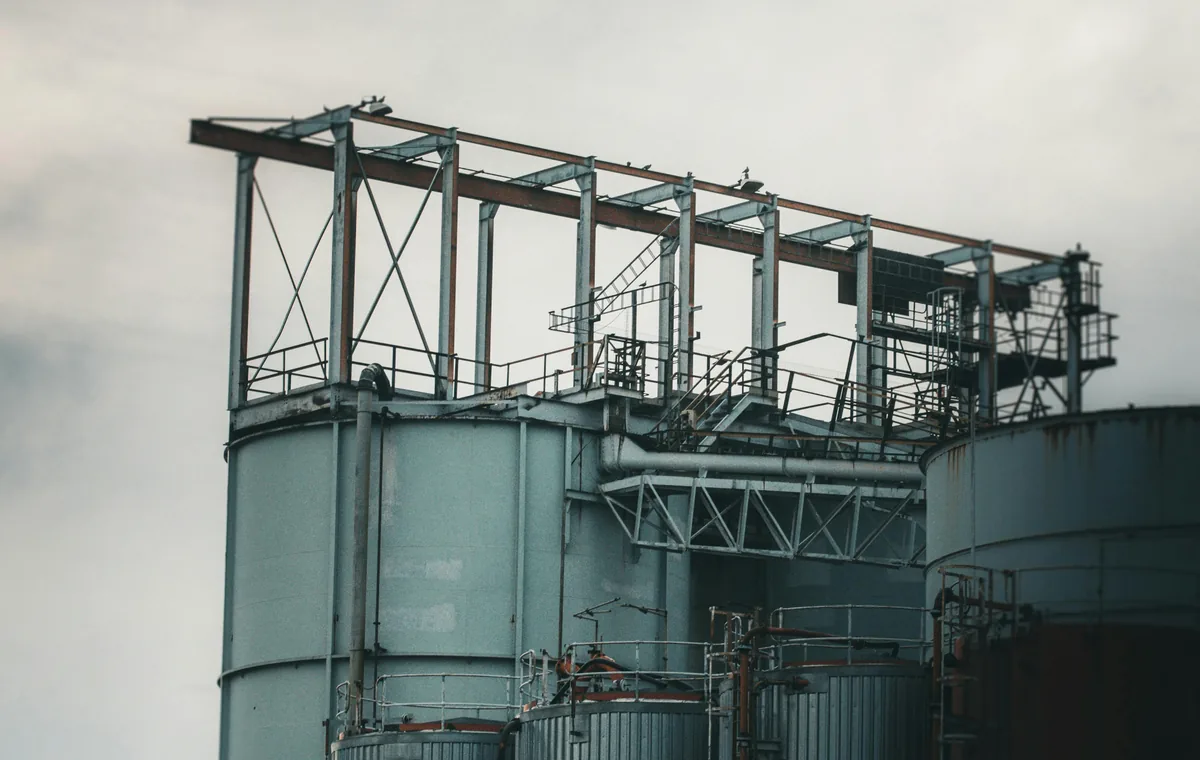
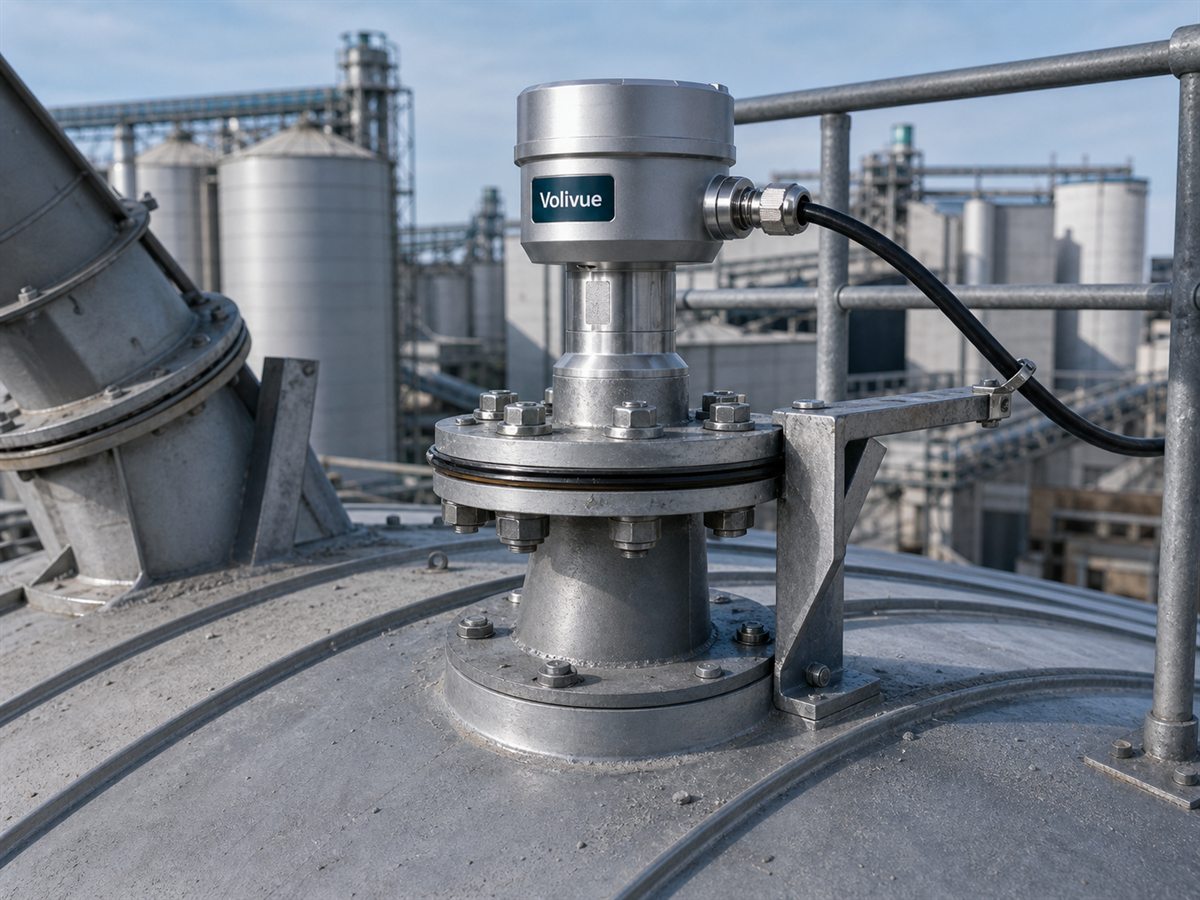
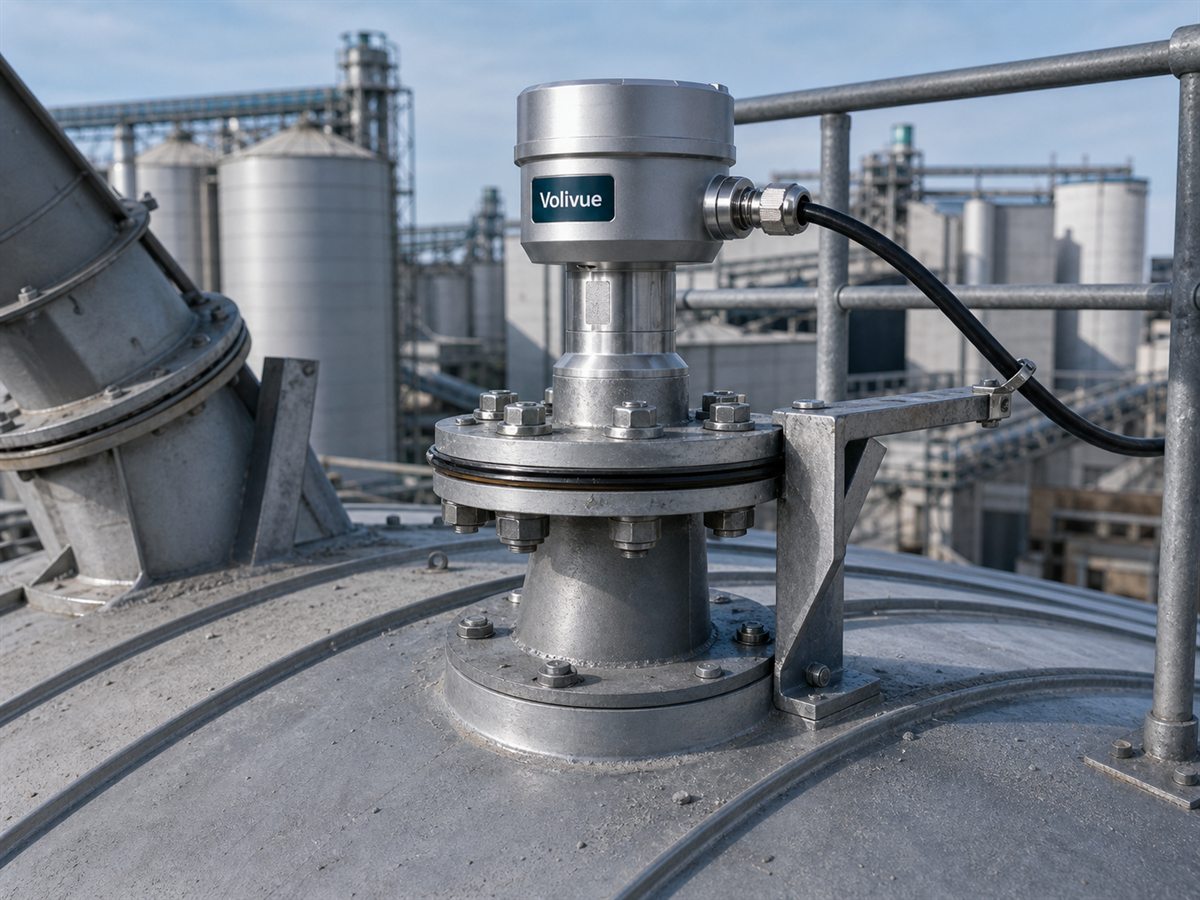
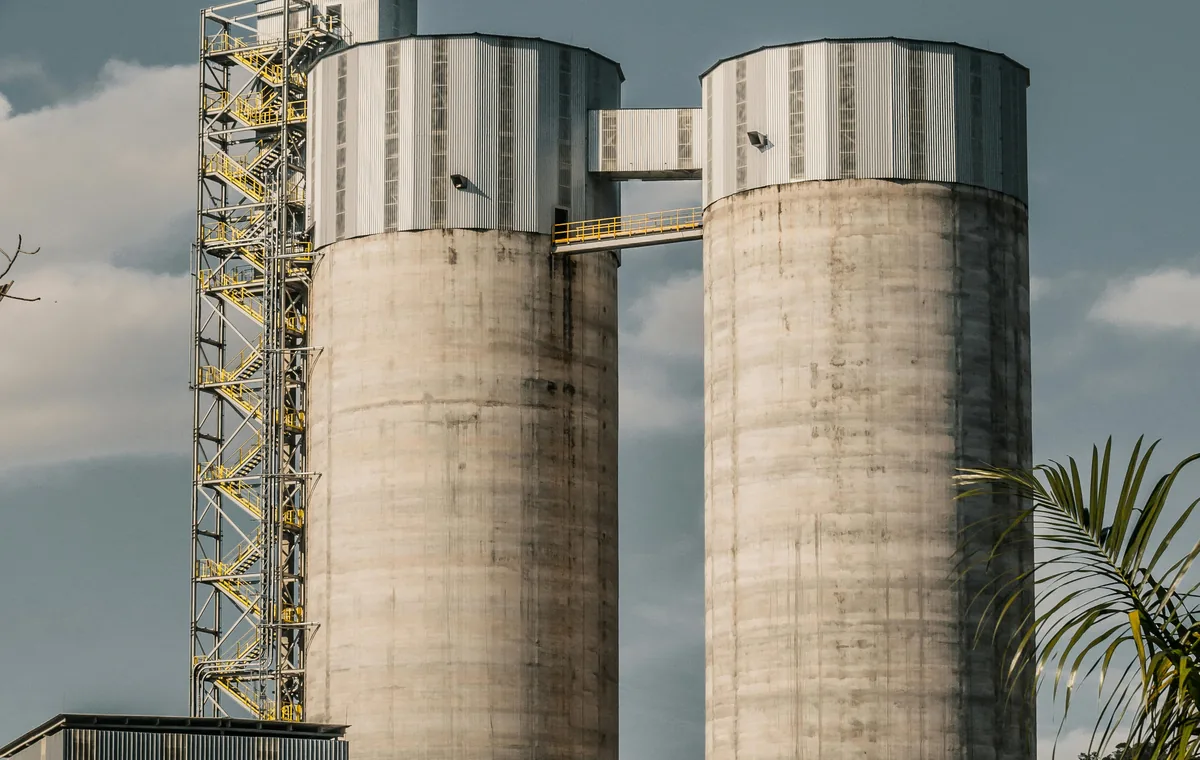
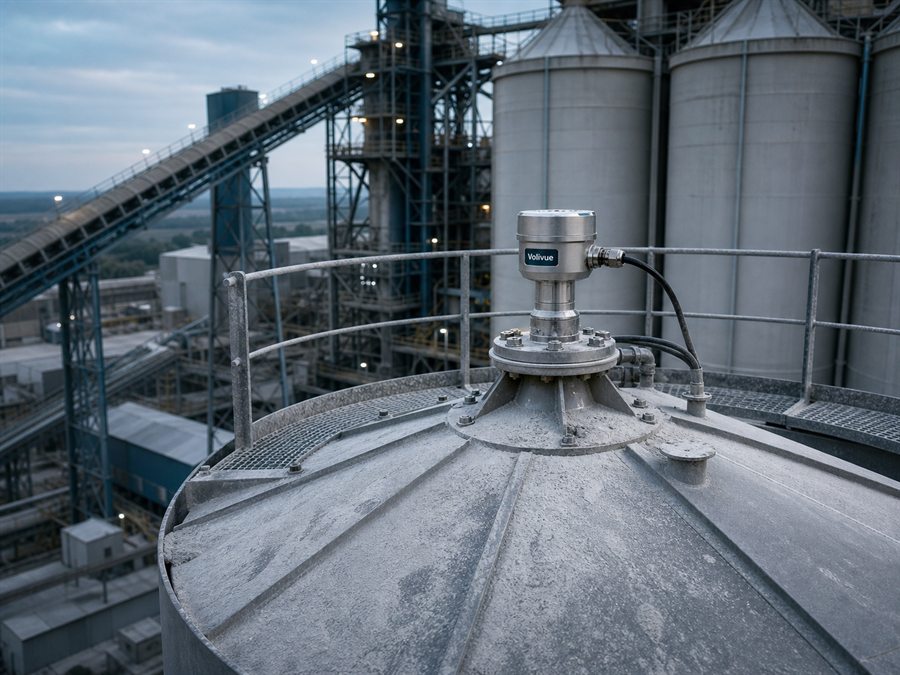
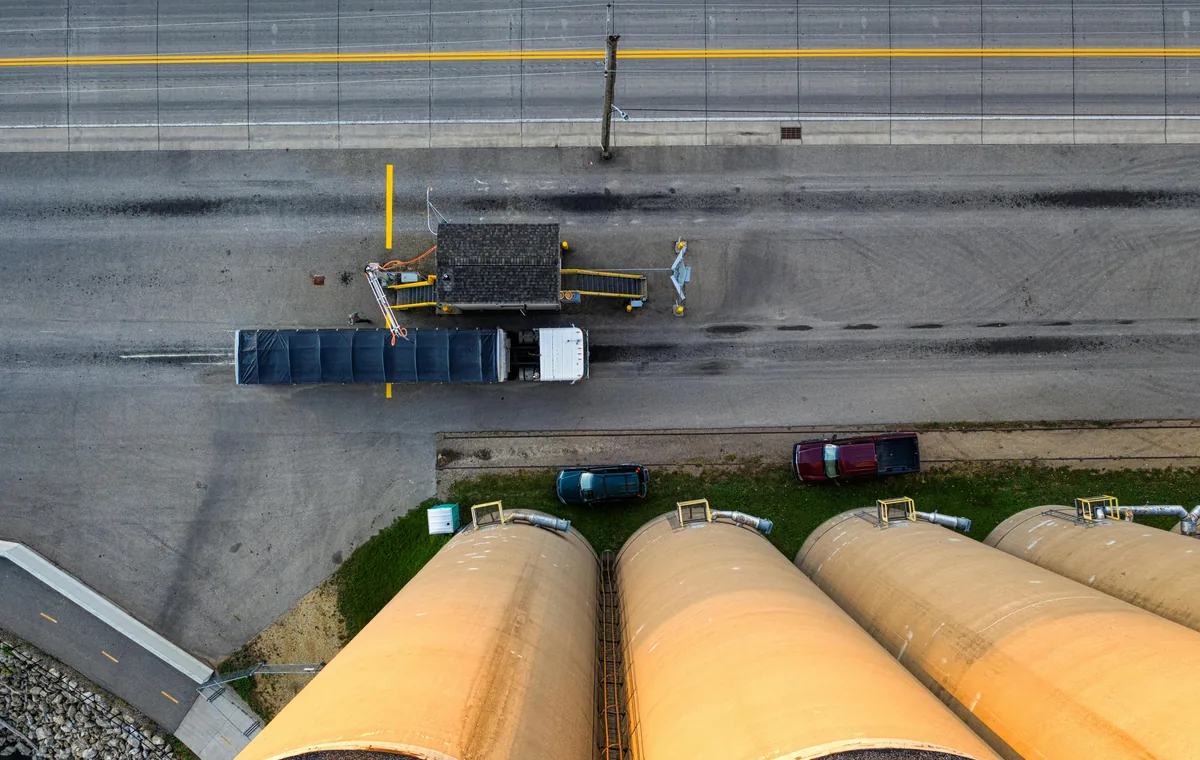
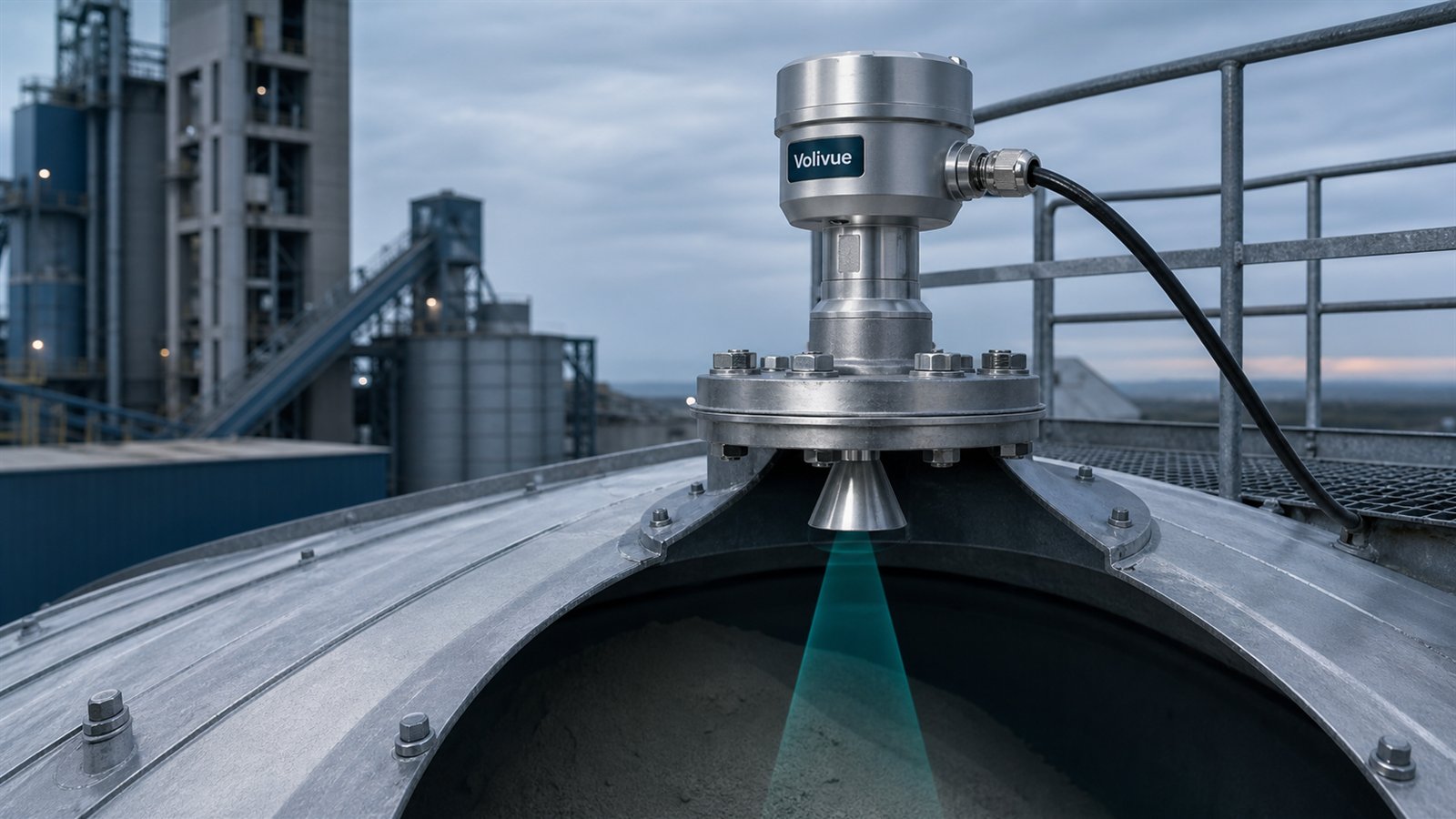
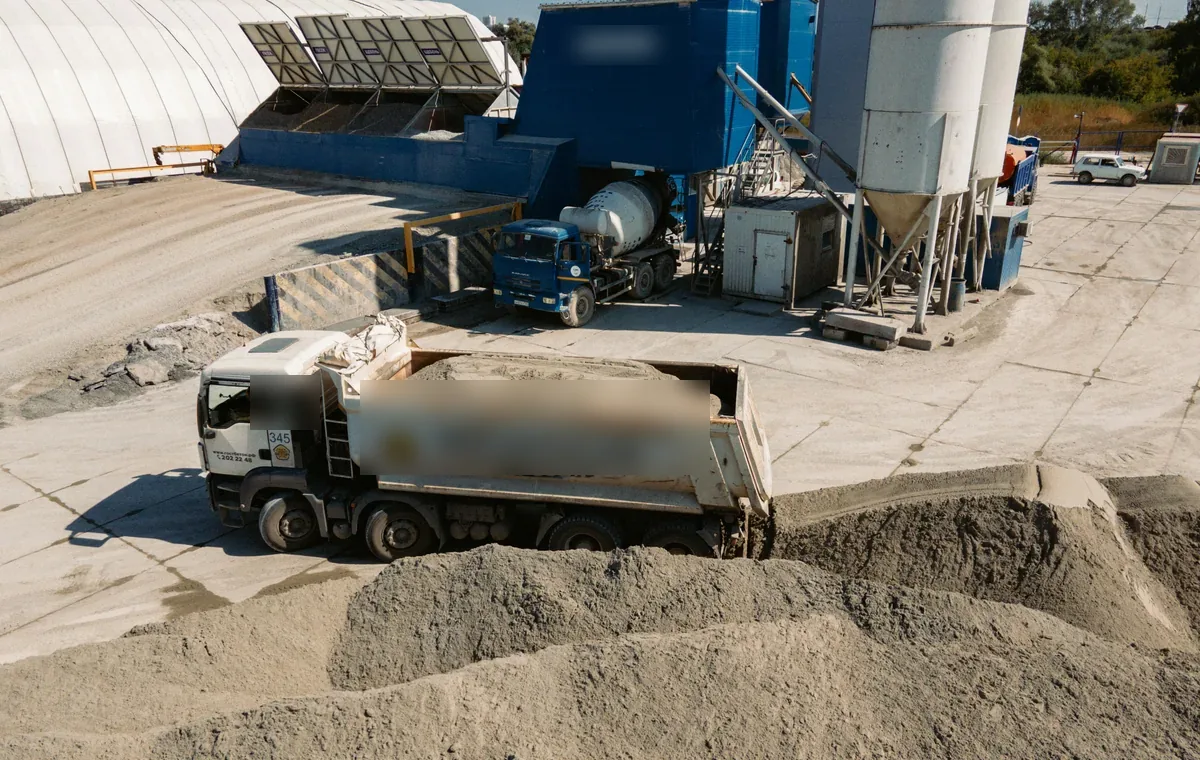
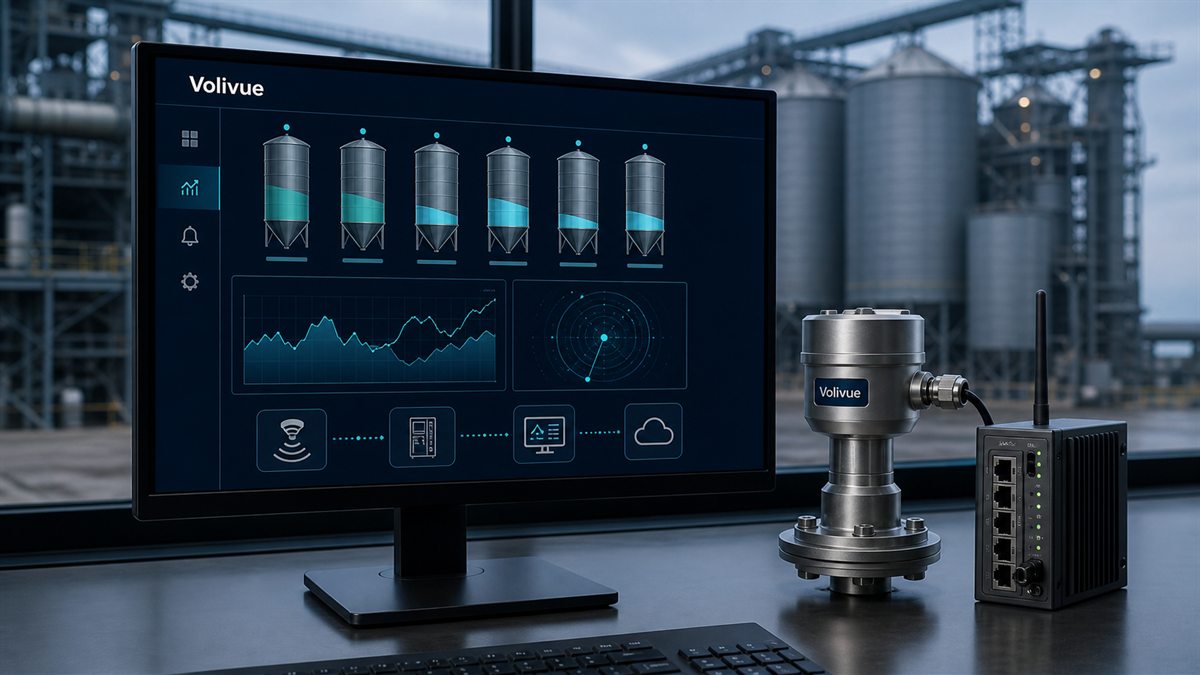
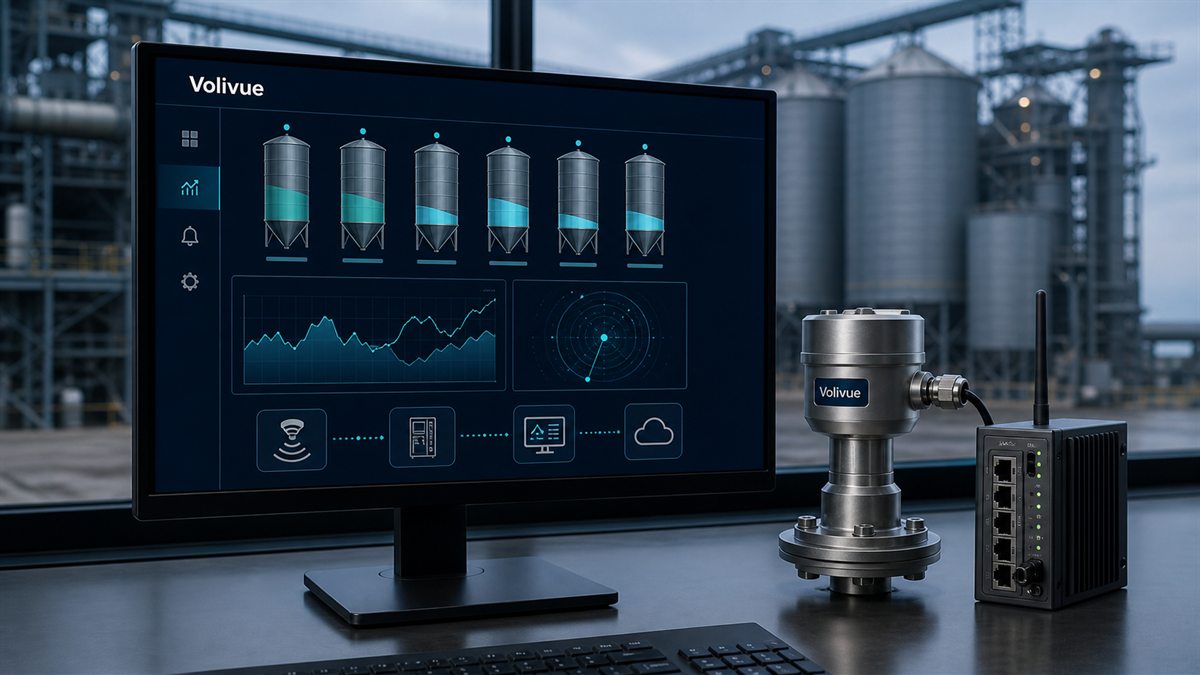
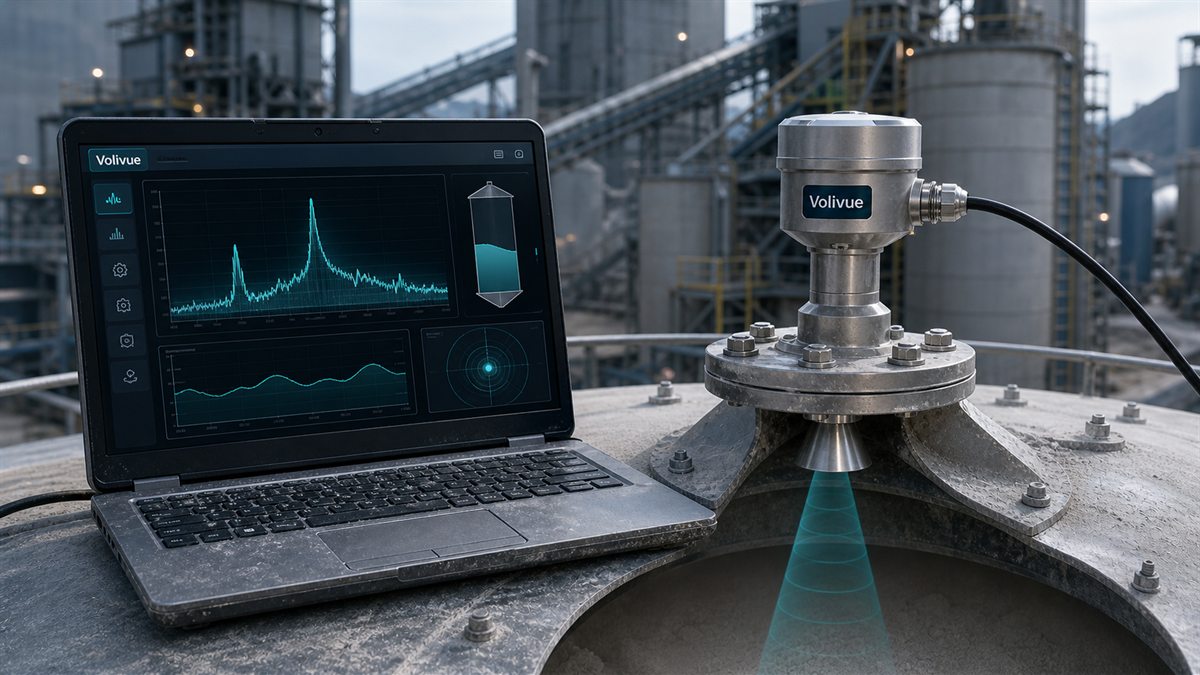
Real roofs, real legs, real yards.
Field installations across cement plants, batching stations, tank farms, and stockyards.

Let us review your silo project.
Send silo type, drawings, material behavior, monitoring points, country or region, and integration target. We will return a practical configuration suggestion and next-step list.
Related technical insights
Why Point Level Sensors Fail on Open Stockpiles
Why point level sensors struggle with stockpile volume measurement on open piles, and how 3D LiDAR area scanning closes the gap on irregular heaps.
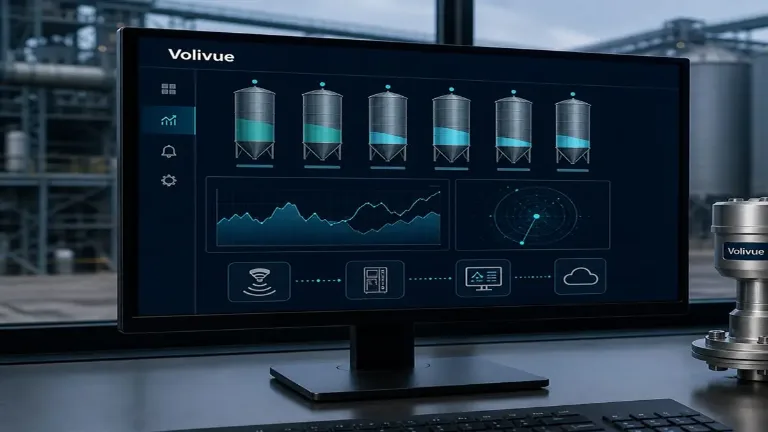
Ultrasonic Pump Control: A Beginner’s Guide to Relay-Based Level Switching
Beginner's guide to ultrasonic pump control: set high/low levels, wire the relay for start/stop, add hysteresis, and prevent overflow and dry-run.
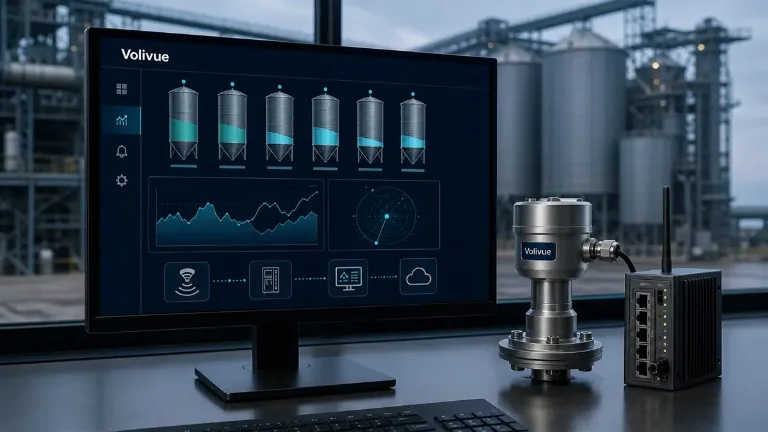
Radar Level SCADA Integration: 4–20 mA/HART, Modbus, and Relay Paths to PLC and DCS
A practical guide to radar level SCADA integration across 4–20 mA/HART, RS485 Modbus, and relay paths into PLC and DCS, with wiring and alarm logic.