 EN
EN 中文
中文 ES
ES RU
RU FR
FR PT
PT AR
AR DE
DE
Industry solution / Biomass, recycling, and waste-to-energy
Biomass, Recycling, and Waste-to-Energy Fuel Inventory Automation Solutions
Volivue provides 3D LiDAR pile scanning and 80GHz radar silo level monitoring for biomass power plants, RDF/SRF fuel processors, recycling sort lines, and municipal solid waste incineration plants — addressing the unique inventory measurement challenges of non-homogeneous, lightweight, high-fiber fuels.
Inventory management challenges in biomass, recycling, and waste-to-energy
Non-homogeneous fuel density varies widely
RDF, wood chips, and straw biomass density changes with moisture content and particle size; converting bulk volume to mass carries large errors that affect fuel dispatch planning.
Irregular pile shapes give poor manual measurement accuracy
Biomass shed or RDF storage pile shape changes continuously with intake and loading operations; manual surveys are low-accuracy and high-risk in an operating facility.
Feed interruption risk threatens generation continuity
Insufficient biomass or refuse fuel stock forces generating units to de-rate or shut down, causing lost generation revenue and power-purchase agreement non-delivery risk.
Dust and corrosion shorten instrument life
Dust, corrosive gases, and high humidity in RDF sheds and refuse bunkers cause frequent conventional instrument failures and high maintenance costs.
Volivue solution architecture for biomass, recycling, and waste-to-energy
3D LiDAR biomass and RDF pile scanning system (preferred for sheds)
Fixed scanners continuously scan irregular biomass shed or RDF storage piles, automatically computing 3D point cloud volume. Combined with material density, estimated mass feeds fuel management systems.
View biomass and RDF pile scenario →
80GHz radar level system (sealed silos and feed hoppers)
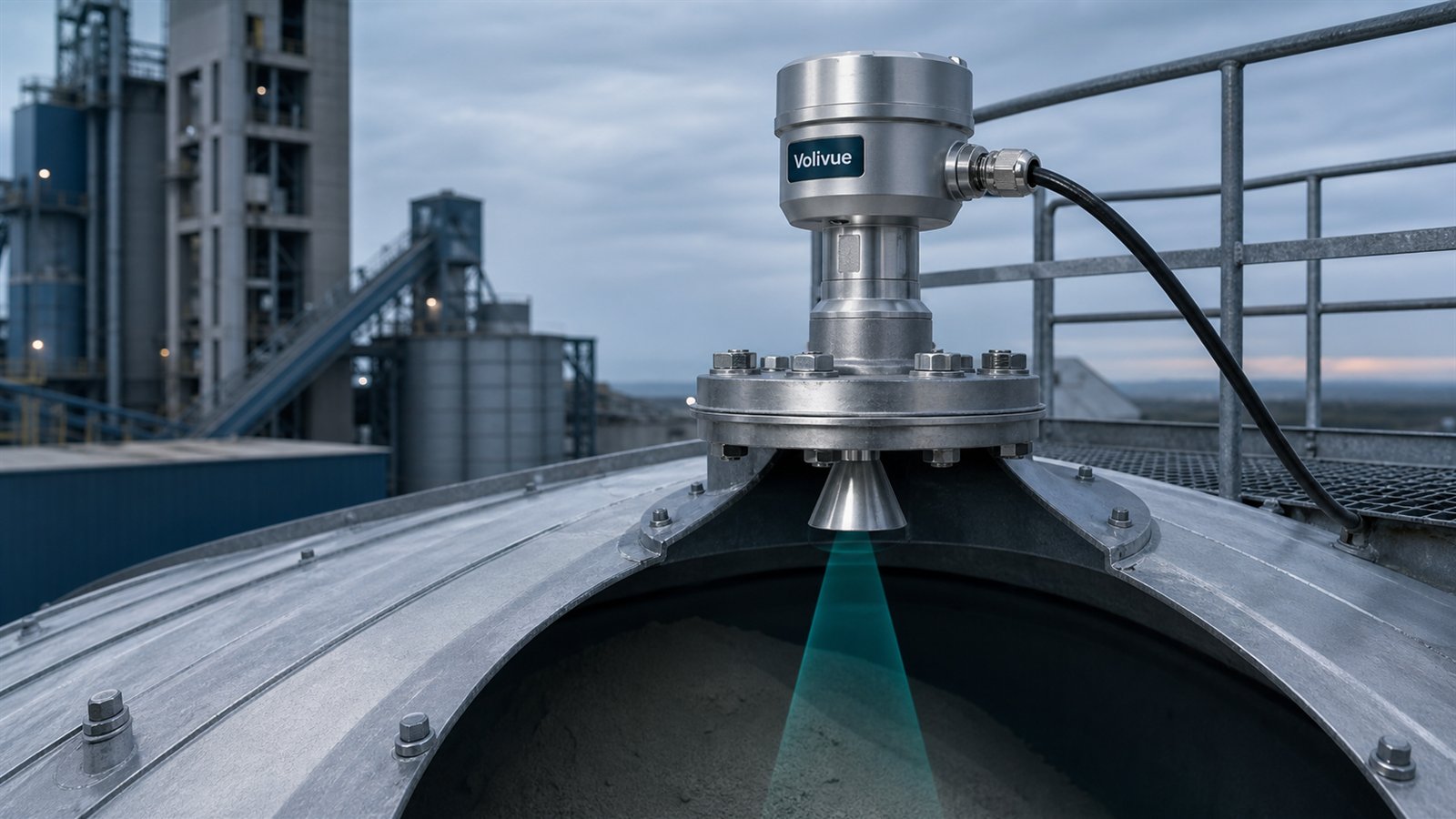
Narrow-beam radar penetrates dust for reliable continuous level signals in sealed biomass silos or refuse feed hoppers. HART/Modbus output integrates with DCS.
View 80GHz radar level system →Quantified benefits and risk reduction
Provide Volivue with shed dimensions, fuel type, and DCS interface requirements to receive a complete solution architecture and quotation for your biomass, RDF, or waste-to-energy project.
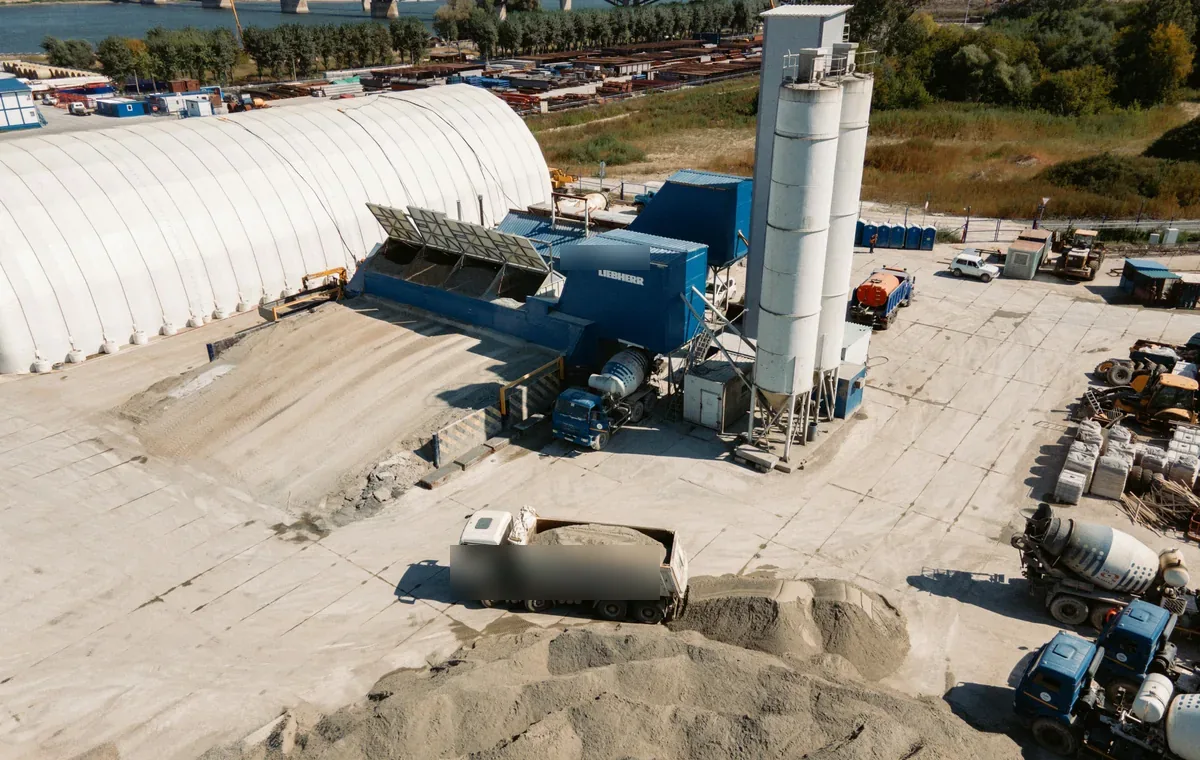
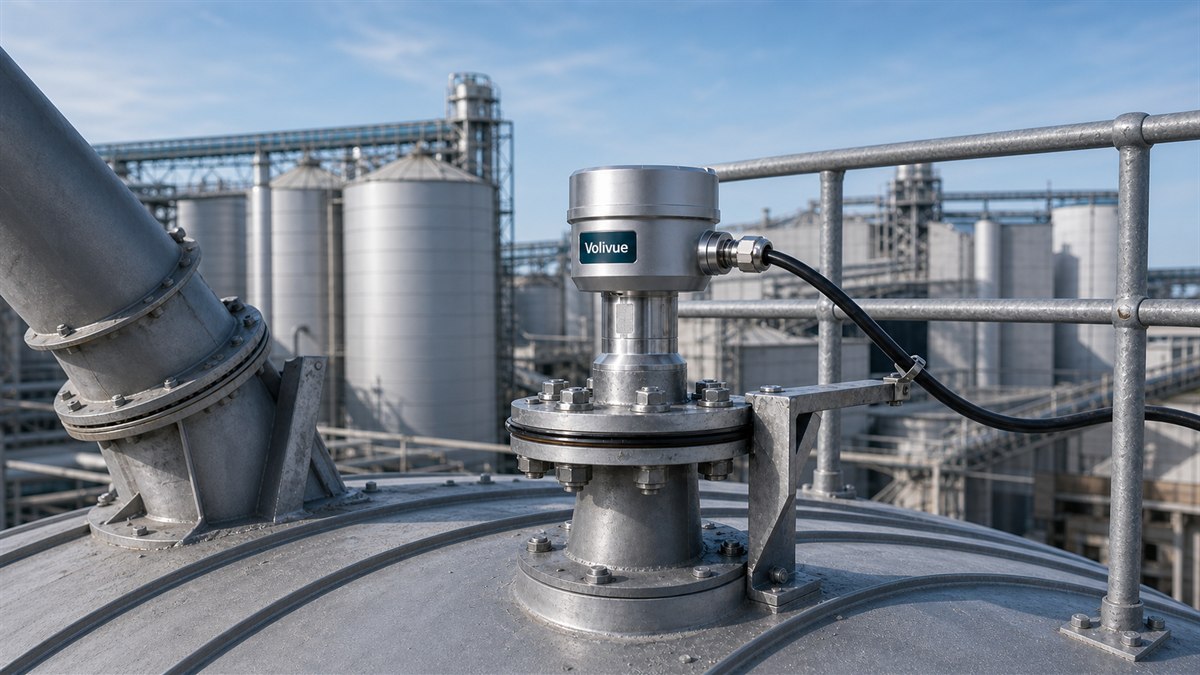
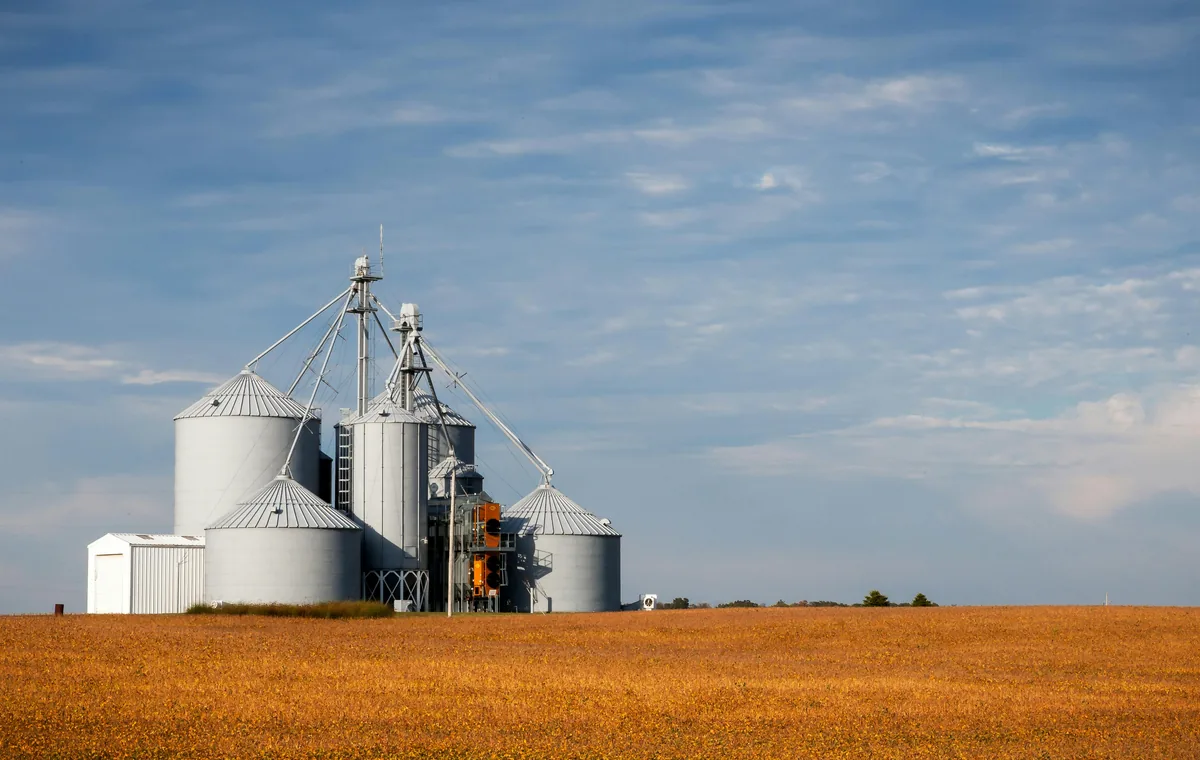
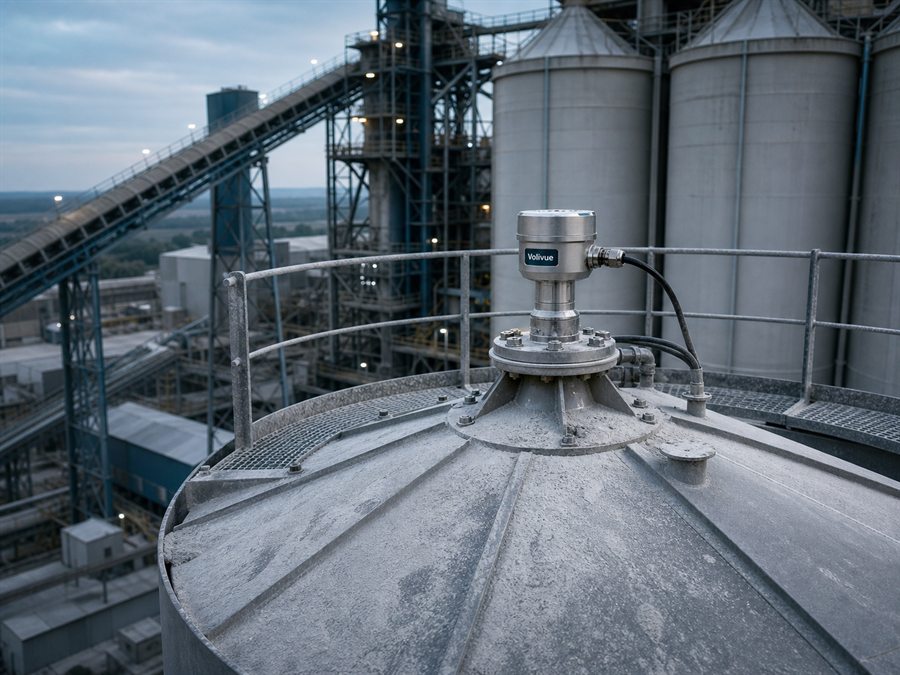
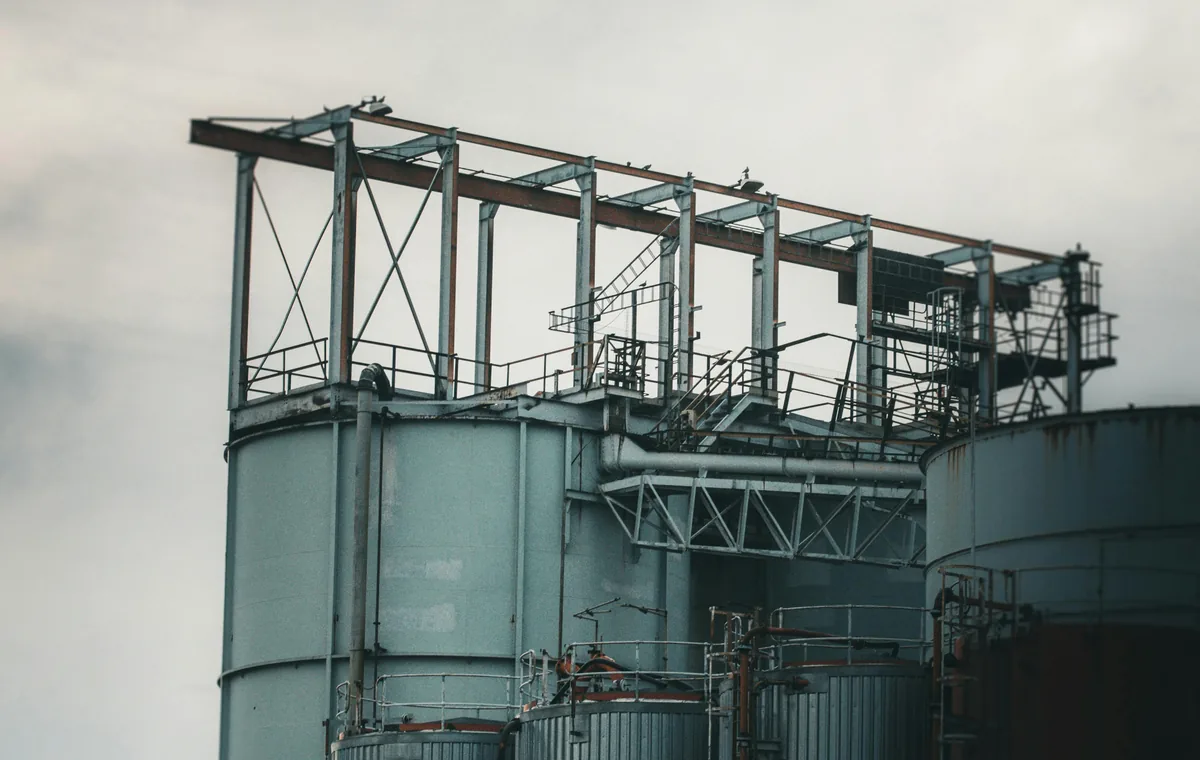
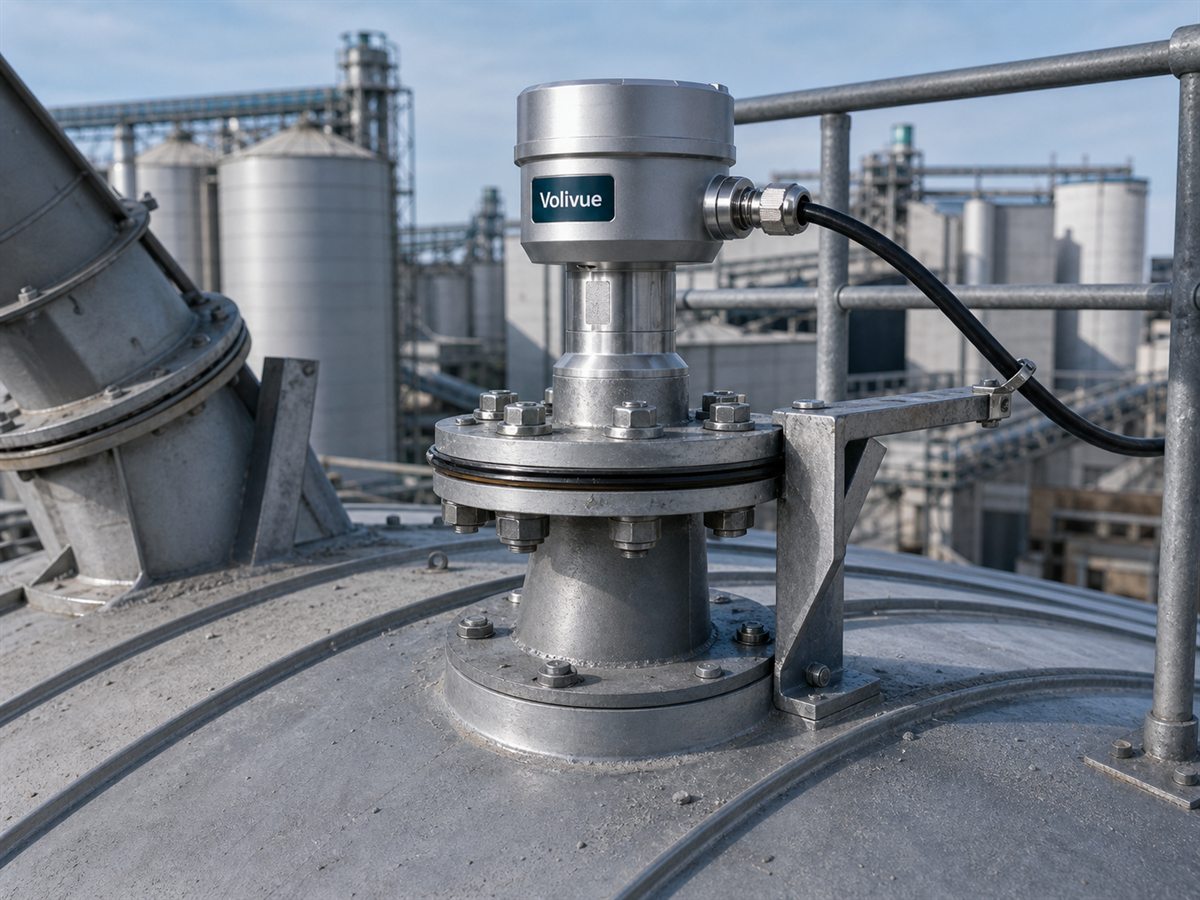
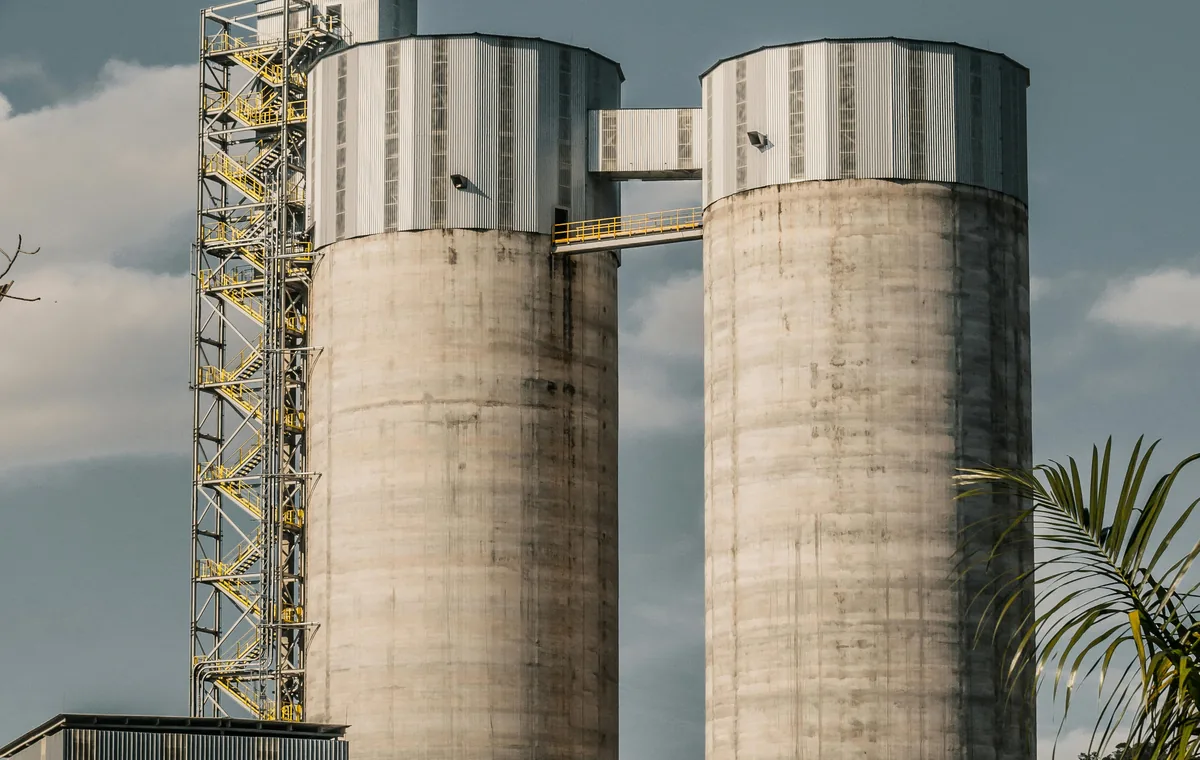
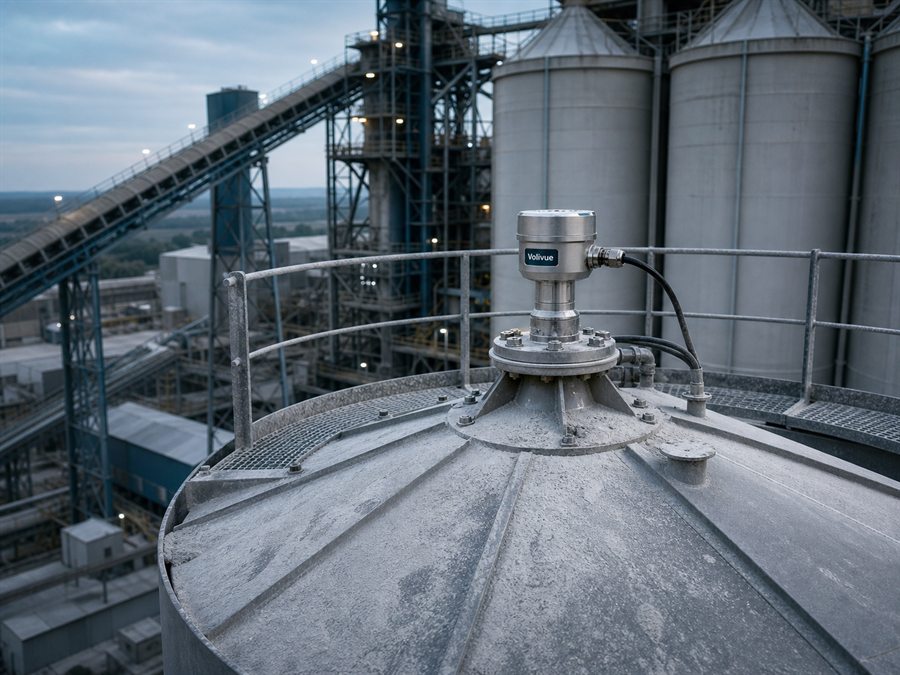
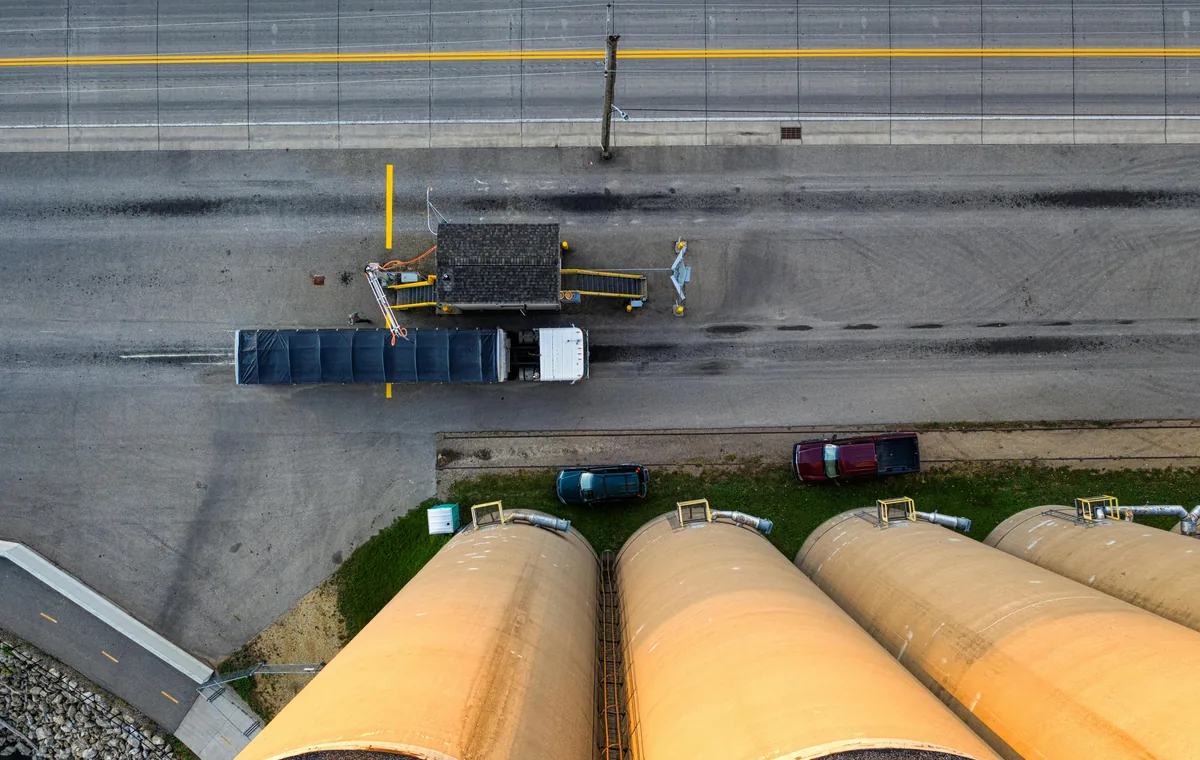
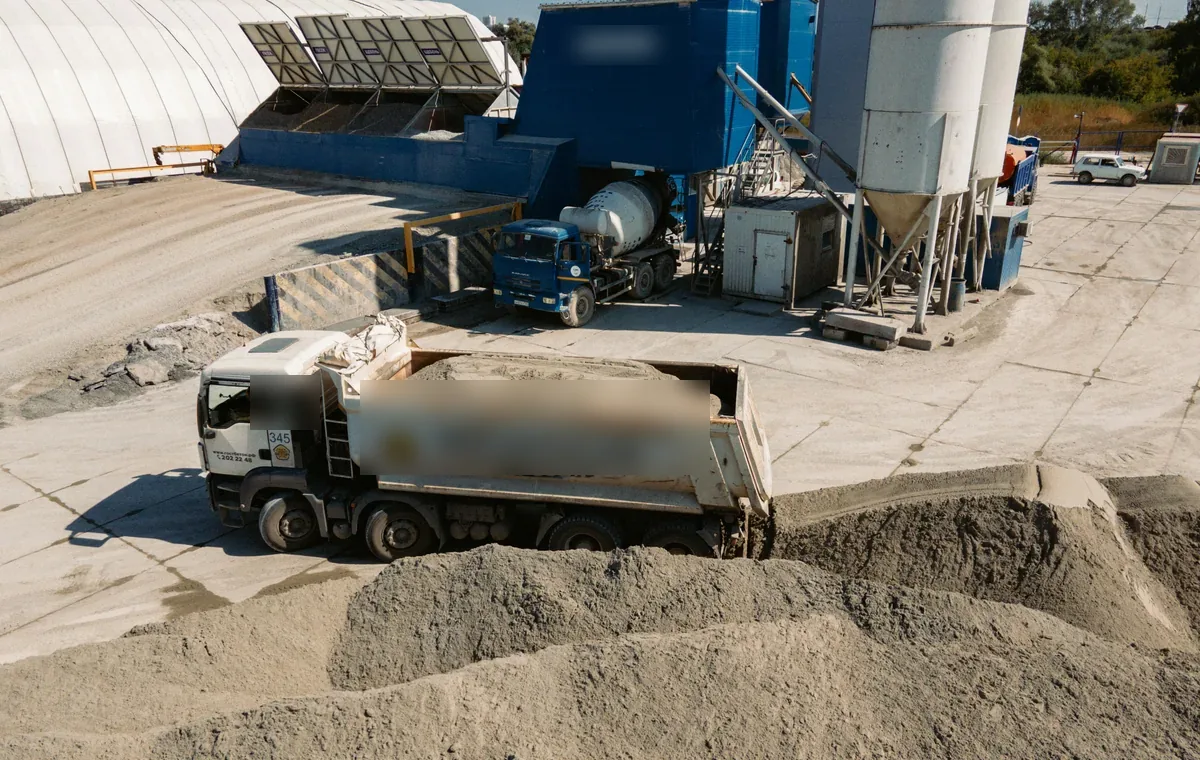
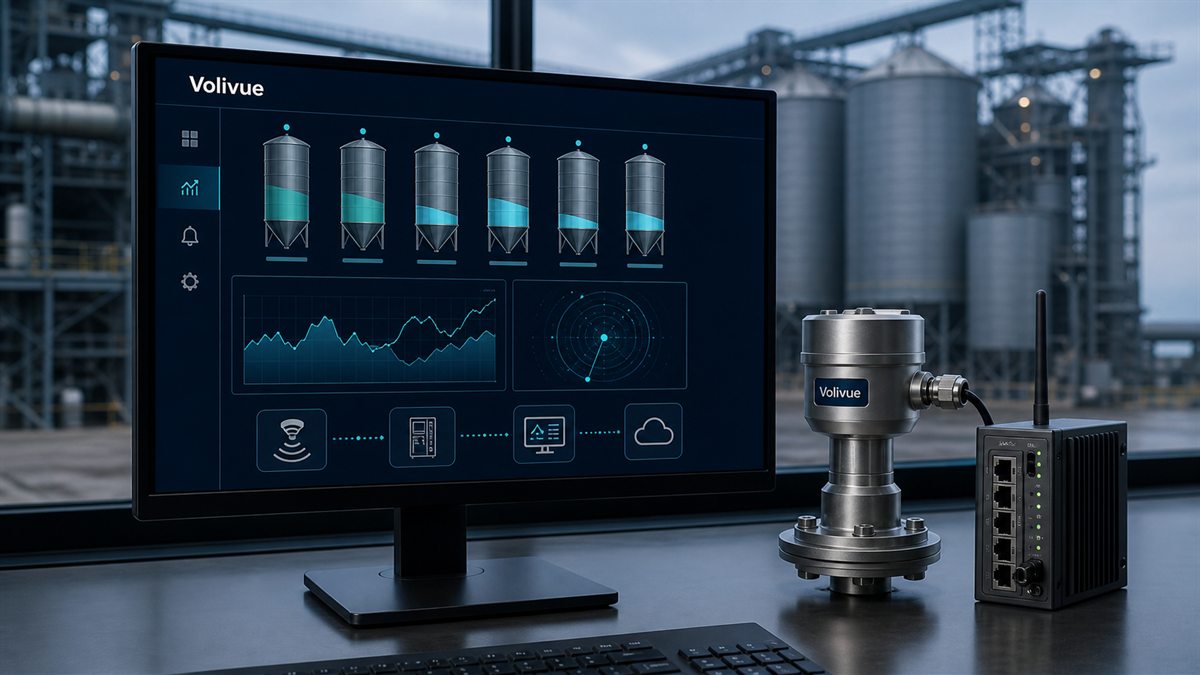
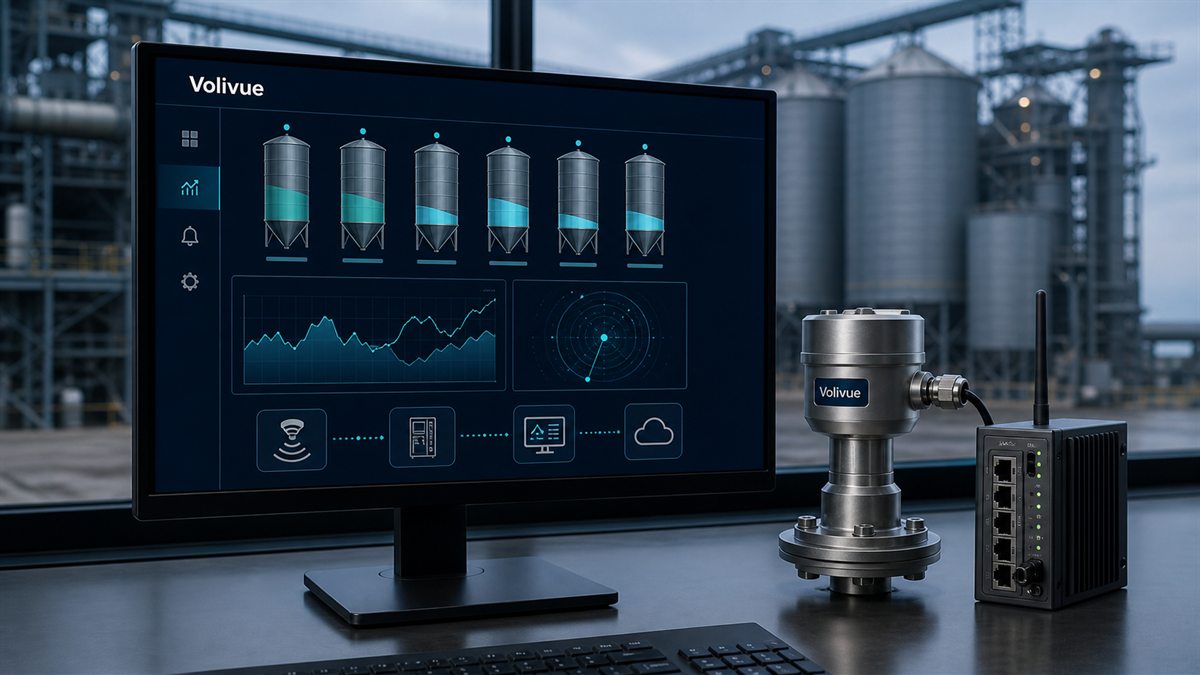
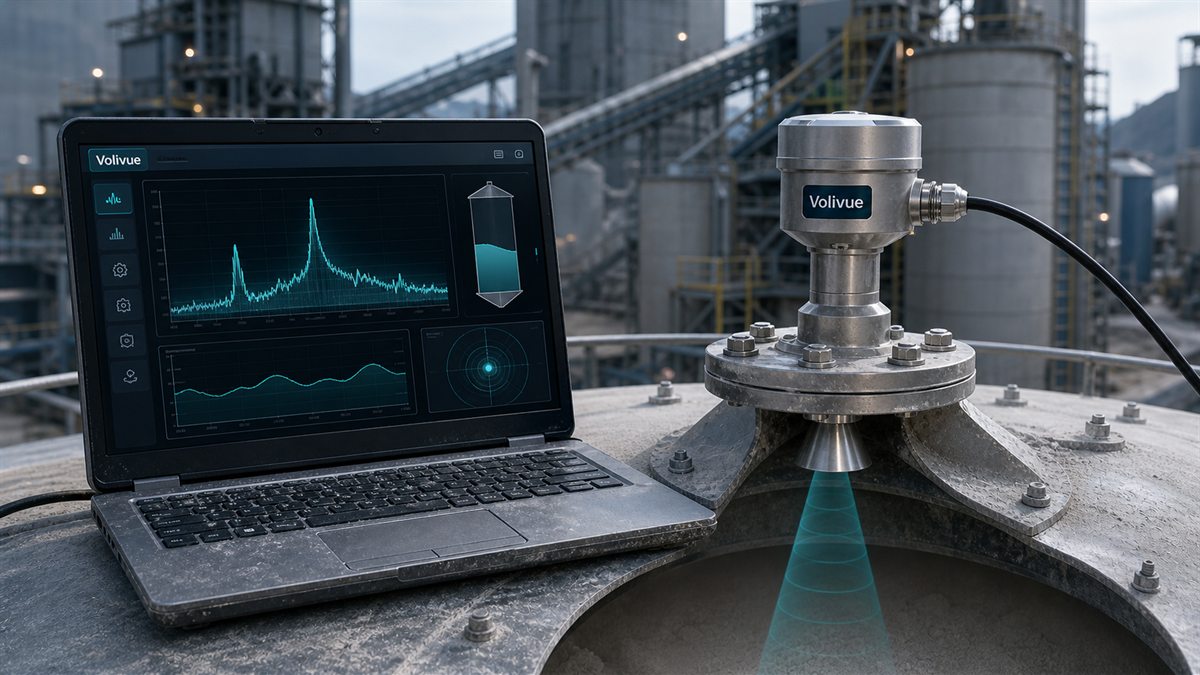
Real roofs, real legs, real yards.
Field installations across cement plants, batching stations, tank farms, and stockyards.
Let us review your silo project.
Send silo type, drawings, material behavior, monitoring points, country or region, and integration target. We will return a practical configuration suggestion and next-step list.
Related technical insights
Why Point Level Sensors Fail on Open Stockpiles
Why point level sensors struggle with stockpile volume measurement on open piles, and how 3D LiDAR area scanning closes the gap on irregular heaps.
Silo Weighing Integration: 4–20 mA, Modbus, and API Paths to PLC, SCADA, and ERP/MES
A practical guide to silo weighing integration across 4–20 mA, RS485 Modbus, and API paths into PLC, SCADA, and ERP/MES, with data flow and reconciliation.
Stockpile ERP Reconciliation: Closing the Gap Between Measured Volume and Book Inventory
Stockpile ERP reconciliation explained: how 3D LiDAR volume data feeds ERP via API, OPC UA, and MQTT to expose and close book-to-physical inventory gaps.