 EN
EN 中文
中文 ES
ES RU
RU FR
FR PT
PT AR
AR DE
DEClean Liquids vs Process Liquids: Matching Tanks to the Right Level Sensor
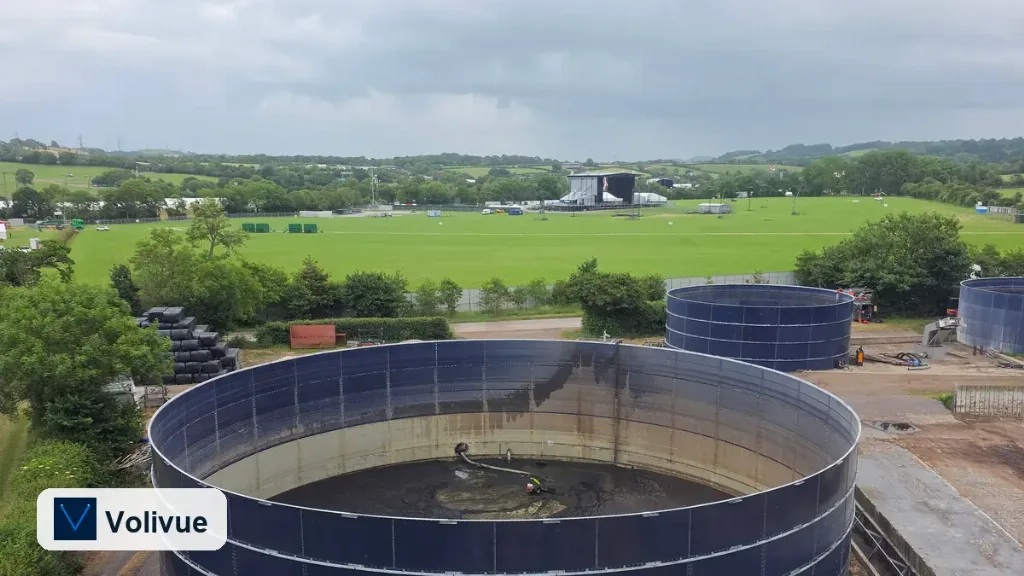
Most level measurement problems are not sensor failures. They are matching failures. A device that performs flawlessly on a clean water tank can drift, lose echo, or read the wrong surface the moment it is moved onto a tank holding hot, foaming, or corrosive liquid. Getting liquid level sensor selection right starts with one question asked before any datasheet is opened: what is actually inside the tank, and how does that medium behave at the surface the sensor has to see?
This guide gives you a practical framework for sorting your tanks into two broad families, clean liquids and process liquids, and then matching each family to the measurement principle that suits it. The two principles we focus on, ultrasonic and radar, are the two non-contact branches of the combined ultrasonic and radar liquid level system, and choosing between them correctly is usually the difference between a measurement you can trust and one you keep babysitting.
Why the Medium Decides the Sensor
A non-contact level sensor works by sending energy down to the liquid surface and timing the reflection that comes back. Whether that reflection is clean, strong, and unambiguous depends almost entirely on the medium and the conditions above it.
Several medium and environment properties drive the outcome:
- Surface condition. A calm, flat liquid reflects energy predictably. Foam, turbulence, or a moving surface scatters it.
- Vapor and temperature. Hot liquids generate vapor and temperature gradients that bend and slow sound waves, shifting an ultrasonic reading.
- Pressure. Sealed and pressurized vessels change the gas density above the liquid, which affects sound-based measurement far more than microwave-based measurement.
- Chemical aggressiveness. Corrosive or solvent-laden vapors attack exposed sensor faces and demand wetted materials chosen for the chemistry.
- Area classification. Flammable or explosive atmospheres require hazardous-area-rated hardware, which narrows the model choice before any performance discussion.
The reason these properties matter so much is that ultrasonic and radar respond to them differently. Ultrasonic uses sound, which travels through the air or vapor in the tank and is therefore sensitive to whatever that vapor is doing. Radar uses microwave energy, which is largely indifferent to vapor, temperature, and pressure. That single physical difference is the backbone of the entire selection framework below.
The Clean Liquid Family: Ultrasonic Territory
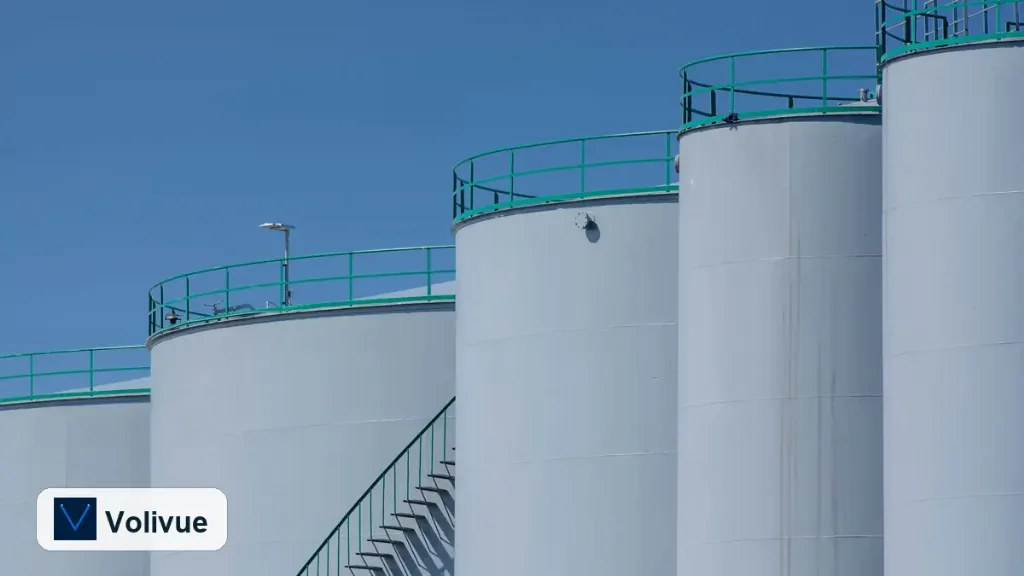
Clean liquids are the easy, well-behaved end of the spectrum, and they are also the most common. Think of an atmospheric tank of water, a settled holding tank, a clean buffer or rinse-water reservoir, or a vented sump. The defining traits are:
- The liquid is at or near atmospheric pressure.
- Temperatures are moderate and stable.
- The surface is reasonably calm, with little or no persistent foam.
- The vapor space is benign rather than aggressive or saturated.
For this family, the ultrasonic level sensor ultrasonic branch is usually the right and most economical match. Ultrasonic measurement is non-contact, has no moving parts, and is genuinely simple to commission. On a clean, open tank it delivers dependable readings with a typical measuring range on the order of 0.3 to 15 m and accuracy on the order of plus or minus 0.25 percent of full scale, which is more than adequate for inventory, pump control, and overflow protection on clean liquids.
The practical reason to default to ultrasonic here is cost discipline. When the medium does not demand the extra capability of radar, paying for radar adds expense without buying you a better measurement. Reserve the higher-capability technology for the tanks that actually need it.
A few clean-liquid cautions are still worth respecting. Keep the sensor face clear of the close-in dead band near the transducer, allow for a calm mounting location away from fill streams, and remember that very deep tanks or unusually long ranges can push past the practical reach of a sound-based device. Where any of those limits bite, treat the tank as a borderline case and read the next section.
The Process Liquid Family: Why Radar Earns Its Place
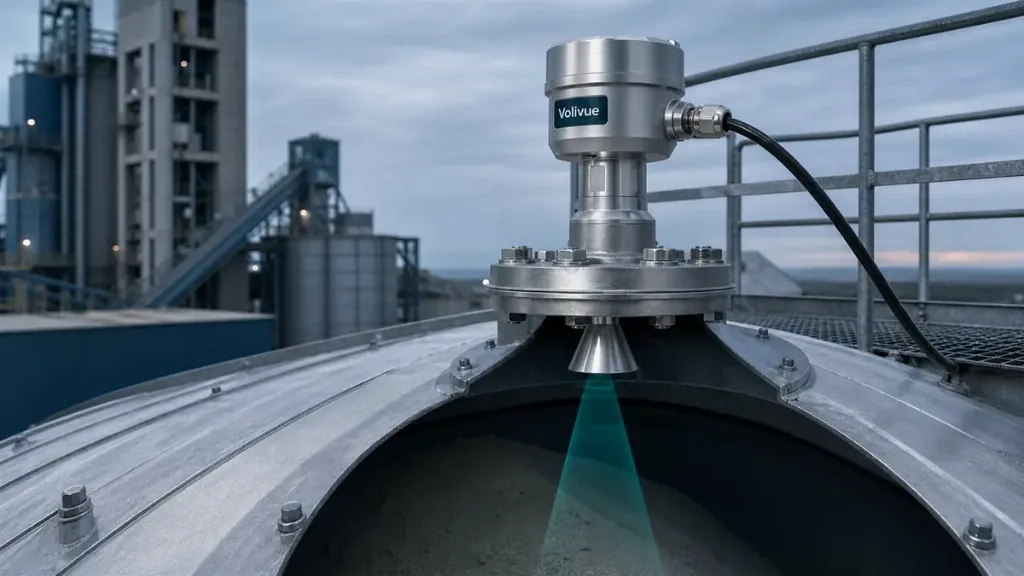
Process liquids are where measurement gets demanding, and where sound-based methods start to struggle. This family includes liquids that are hot, pressurized, foaming, corrosive, solvent-bearing, or sitting in a classified hazardous area. Typical examples are a heated reactor or process vessel, a pressurized buffer tank, a tank of aggressive chemicals, or any vessel where vapor, agitation, or foam disturbs the surface.
The challenge is physical. Vapor and temperature gradients above a hot liquid distort the speed of sound, so an ultrasonic reading drifts as conditions change. Foam absorbs and scatters sound. Pressurized and sealed vessels change the gas density that sound depends on. None of these conditions are an ultrasonic sensor’s friend.
This is where the radar level transmitter radar transmitter branch earns its place. Radar uses frequency-modulated continuous-wave (FMCW) microwave energy, which is essentially unaffected by vapor, temperature, pressure, and the gas composition above the liquid. That immunity is the whole point. Depending on the model, the radar branch covers a typical measuring range on the order of 0.1 to 30 m, with accuracy stated from approximately plus or minus 2 mm up to a few percent depending on the specific model and application. The wider range also suits the taller vessels that process duties often involve.
Radar’s advantages on the process family are concrete:
- Vapor and temperature immunity keeps the reading stable on hot, vapor-rich surfaces.
- Pressure tolerance suits sealed and pressurized vessels.
- Foam and turbulence handling is generally far more robust than sound-based measurement.
- Material and process-connection options can be matched to corrosive chemistries (confirm wetted-material compatibility per model for your specific medium).
- Hazardous-area variants are available by model for flammable or explosive atmospheres. Always confirm the area rating against your zone classification per the specific model documentation.
The trade-off is cost: radar is the higher-investment branch. The framework exists precisely so you spend that investment only where the medium justifies it.
A Medium-to-Sensor Decision Framework
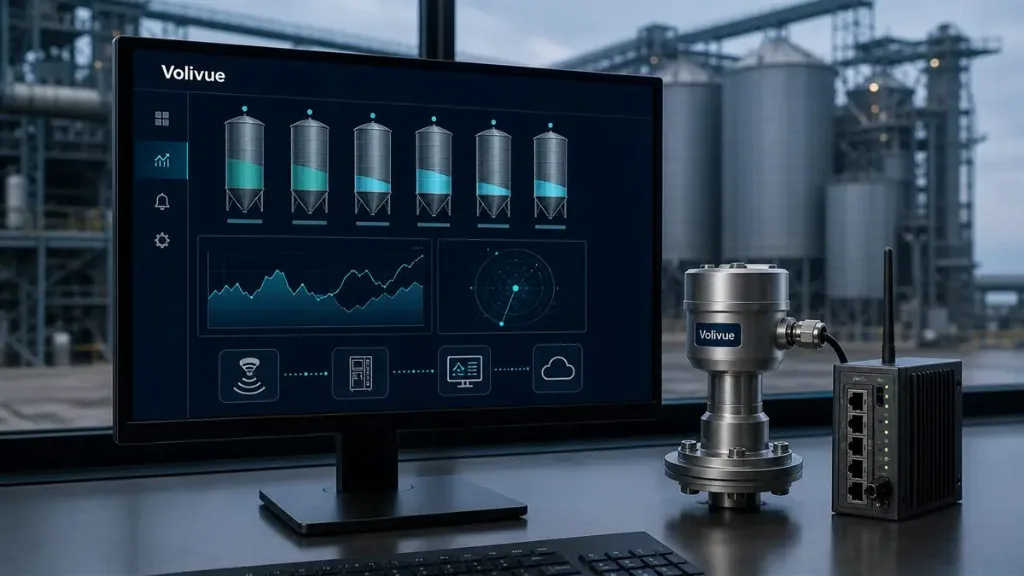
You can resolve most tanks with a short, ordered set of questions. Work through them in sequence and stop at the first one that forces a choice.
- Is the tank in a hazardous (classified) area? If yes, you are constrained to hardware with the correct area rating from the start. Confirm an available rated variant per model before going further.
- Is the vessel pressurized or sealed? If yes, lean radar. Sound-based measurement is sensitive to the gas density and pressure in a sealed vapor space.
- Is the liquid hot, or does it generate significant vapor? If yes, lean radar. Vapor and temperature gradients distort sound speed and destabilize ultrasonic readings.
- Is the surface foaming, turbulent, or aggressively agitated? If yes, lean radar for its more robust echo handling.
- Is the medium corrosive or solvent-bearing? If yes, lean radar and confirm wetted-material compatibility for your chemistry.
- None of the above, and the liquid is clean and near atmospheric? Default to ultrasonic for the best value.
A worked example clarifies the logic. A vented holding tank of clean process water at ambient temperature answers “no” to every demanding question and lands cleanly on ultrasonic. A pressurized, heated tank of a solvent blend answers “yes” at the pressure step, again at the temperature step, and yet again at the corrosion step. Three independent reasons all point to radar, which makes that an easy, confident decision rather than a close call.
Borderline cases do exist. A clean liquid in a very tall vessel, or a mildly warm liquid with occasional light foam, can sit between the two families. In those situations, weigh the cost of radar against the consequence of an unreliable reading. If the measurement protects safety, feeds a control loop, or governs custody-level inventory, the reliability margin of radar is usually worth it. If it is a simple indication on an undemanding tank, ultrasonic still wins on value.
Specifying the Right Output and Build
Once the principle is settled, the remaining selection details are shared across both branches and rarely drive the clean-versus-process decision, but they still have to fit your system.
Both branches offer the common industrial output and signaling options: a 4 to 20 mA analog loop, HART, RS485 Modbus, and relay outputs for direct alarm or pump switching. That means either technology will integrate with the same PLC, DCS, ERP, or MES layer, so the medium can drive the principle without forcing a controls rework.
On enclosure protection, both branches are available with IP67 and IP68 ingress ratings for wet, washdown, and outdoor installations. For hazardous areas, hazardous-area variants are offered by model; match the specific rated variant to your zone classification rather than assuming a blanket rating across the range.
A short specification checklist before you commit:
- Confirm the measuring range covers your tank’s full empty-to-full span with margin, including any dead band near the sensor.
- Confirm the accuracy figure for the specific model meets your control or inventory requirement.
- Confirm wetted materials and the process connection suit the medium and the mounting.
- Confirm the output protocol matches your control system.
- Confirm the ingress and, where relevant, hazardous-area rating matches the installation environment, per model.
Bringing It Together
The clean-versus-process split is a deliberately simple way to make a reliable first cut at liquid level sensor selection. Sort the tank by what it holds and how that medium behaves, default clean and atmospheric liquids to economical ultrasonic, and move to radar the moment pressure, heat, vapor, foam, corrosion, or a hazardous area enters the picture. The decision framework turns a vague “which sensor?” question into a short, ordered checklist that gives a defensible answer for most vessels and flags the genuine borderline cases for closer study.
If you have a specific tank or a mix of tank types to classify, our team can review your media, conditions, and area classifications and recommend the right branch and build. Talk to an application engineer with your tank details, and we will work through the framework with you.
—
Related reading: explore more measurement-selection guidance in our Technical Insights technical insights library.