 EN
EN 中文
中文 ES
ES RU
RU FR
FR PT
PT AR
AR DE
DEATEX and IECEx Level Instruments: A Hazardous-Area Compliance Checklist
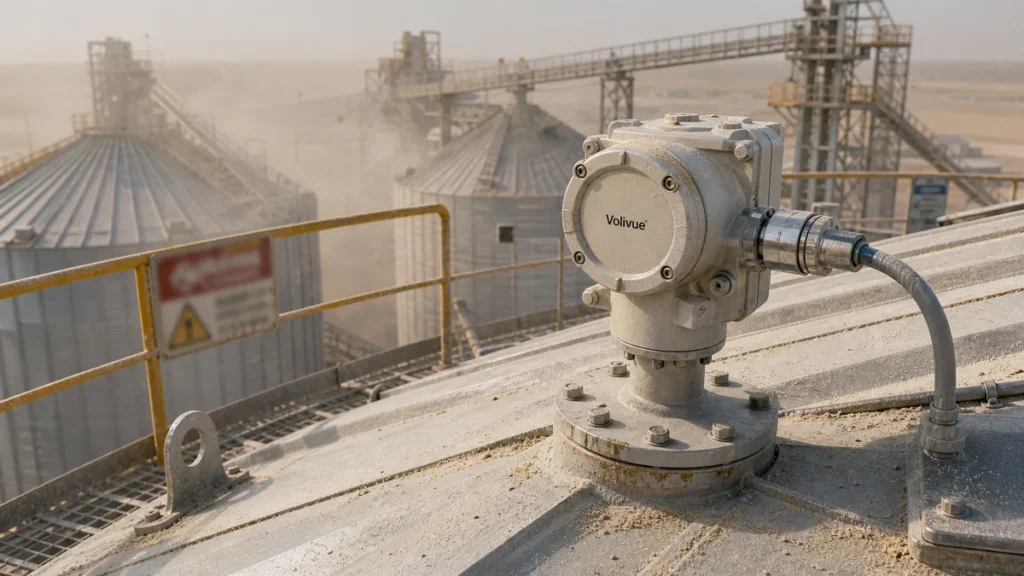
In grain dust, solvent vapor, or a refinery, a level instrument can be an ignition source. ATEX (Europe) and IECEx (international) define how instruments must be built and installed so they cannot ignite the surrounding atmosphere. This checklist covers what to verify before you buy.
Zones, gas and dust groups
First classify the location. Gas zones are 0/1/2 and dust zones 20/21/22, by how often an explosive atmosphere is present. Then match the gas group (IIA/IIB/IIC) or dust group (IIIA/IIIB/IIIC) and the temperature class. The instrument’s certificate must cover your zone, group and T-class, not just say “Ex”.
Choosing compliant radar and ultrasonic
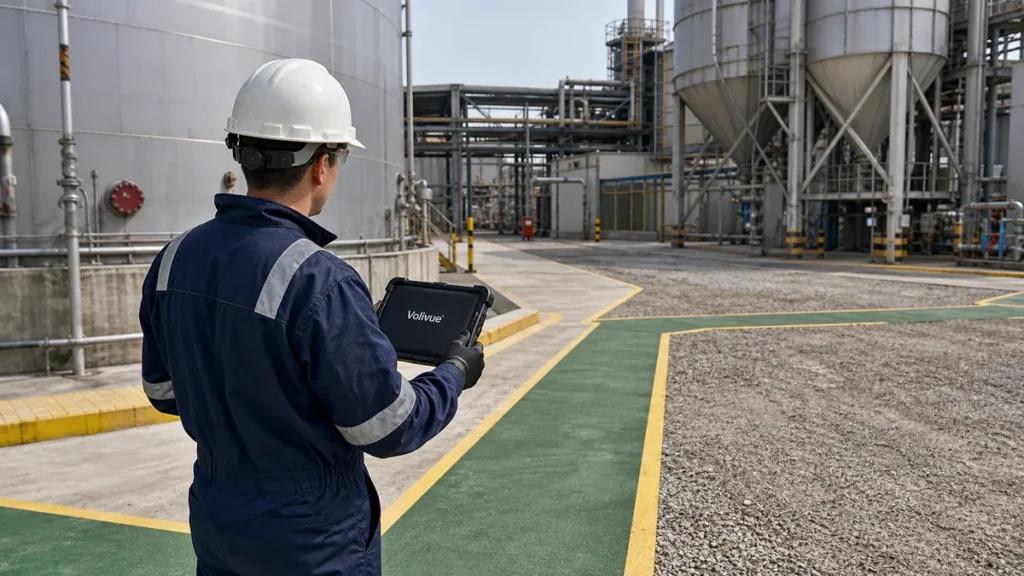
For dusty silos and process tanks in classified areas, pick a level device certified for the exact zone. Volivue’s 80 GHz radar level system and ultrasonic liquid level sensor are available in hazardous-area variants; confirm the marking string matches your area classification.
Installation, marking and documentation
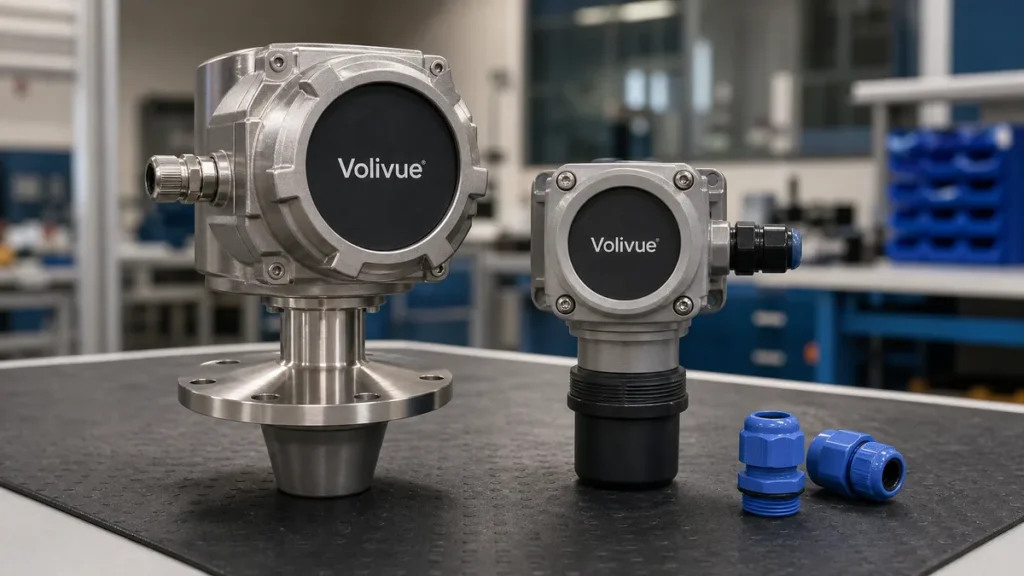
- Verify the full Ex marking and that the certificate number is current.
- Follow the protection type’s wiring rules (intrinsic safety, flameproof, etc.) and bonding/earthing.
- Keep the certificate, declaration of conformity, and installation record for audit.
For the broader technology trade-offs, see our Technical Insights selection guide. Send your area classification and we will quote a compliant configuration.