 EN
EN 中文
中文 ES
ES RU
RU FR
FR PT
PT AR
AR DE
DERadar vs Ultrasonic vs 3D LiDAR: How to Choose Level Measurement Technology
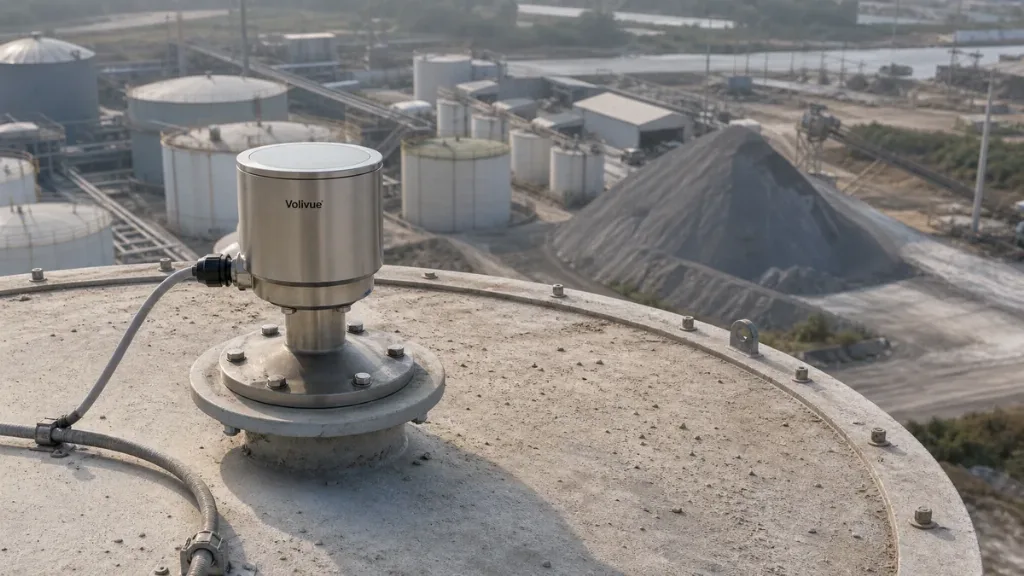
Picking the wrong level measurement technology is one of the most expensive mistakes in bulk material and liquid inventory monitoring. A sensor that works on clean water can fail completely on dusty cement, and a radar tuned for a tank says nothing useful about an open coal stockpile. This guide compares the three technologies Volivue deploys most often and shows how to match each to the real conditions on your site.
80 GHz radar: dusty silos and demanding tanks
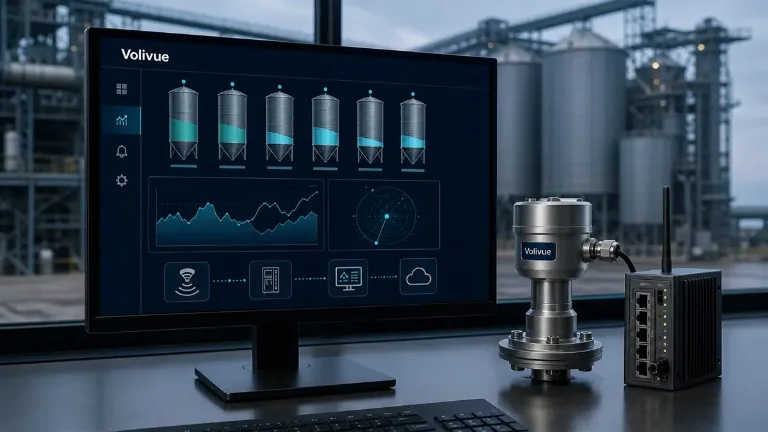
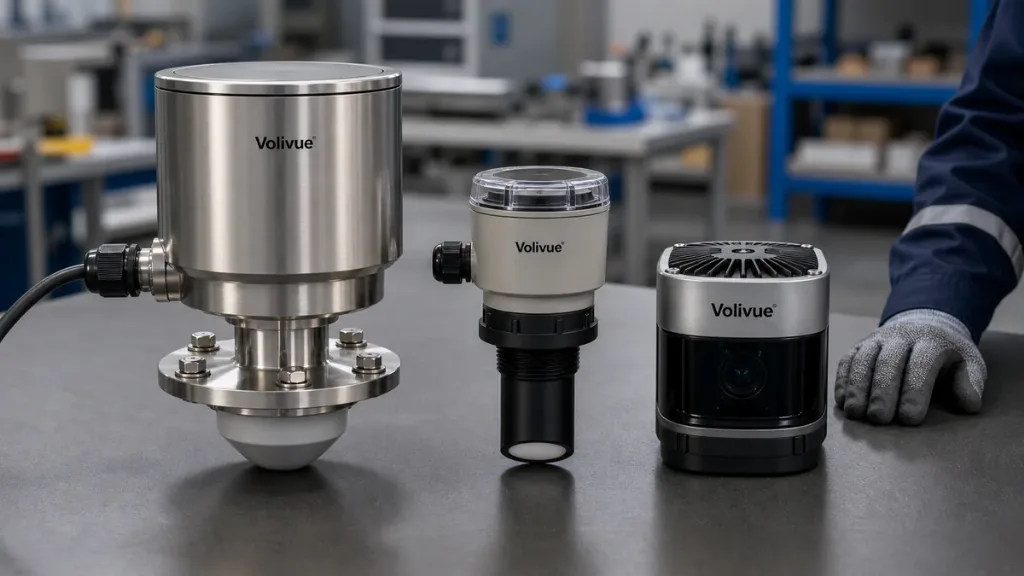
Non-contact 80 GHz radar is the workhorse for solids and liquids in enclosed vessels. The short wavelength gives a narrow beam that ignores silo walls and build-up, and it keeps measuring through dust, steam, and temperature swings. Choose radar for cement, fly ash, grain, plastic pellets, or process liquids. See the 80 GHz radar level system.
Ultrasonic: simple, low-cost liquid tanks
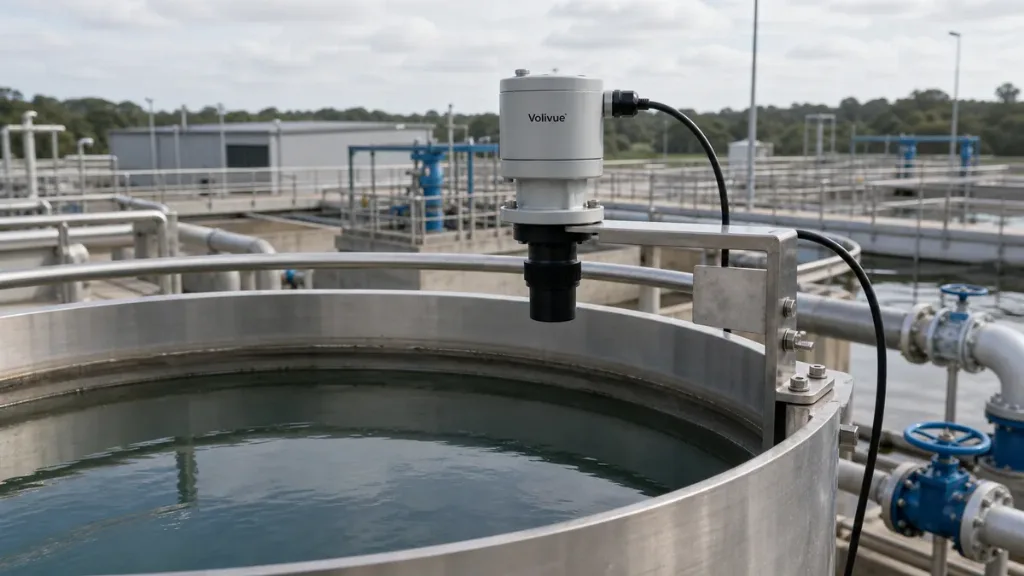
Ultrasonic sensors are the budget choice for clean or mildly aggressive liquids in vented tanks: water, wastewater, and basic chemicals at ambient pressure. They are not for heavy dust, vacuum, high pressure, foam, or strong vapor. For atmospheric liquid duty, compare the ultrasonic liquid level sensor.
3D LiDAR: open stockpiles and irregular heaps
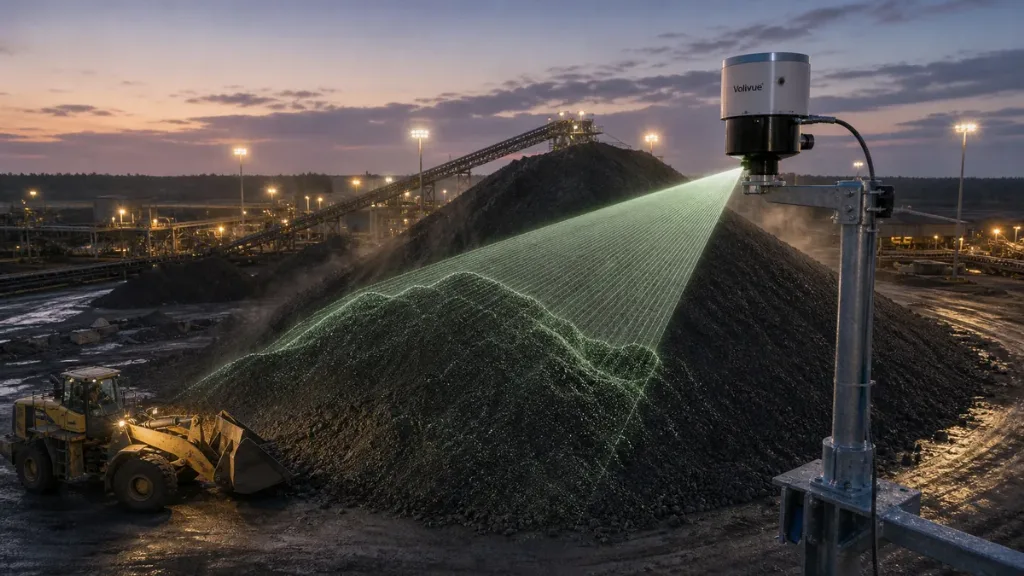
A single point of level tells you almost nothing about an open pile of coal, ore, aggregate, or biomass. 3D LiDAR scans the whole surface and computes true volume, not just a height. Choose it for sheds, domes, bunkers, and open yards. The 3D LiDAR stockpile inventory system covers scanner layout and reporting.
Quick comparison
| Condition | 80 GHz radar | Ultrasonic | 3D LiDAR |
|---|---|---|---|
| Heavy dust | Excellent | Poor | Good |
| Sealed tank, pressure/vapor | Excellent | Poor | N/A |
| Clean vented liquid | Good | Excellent | N/A |
| Open stockpile volume | Single point only | Single point only | Excellent |
| Relative cost | Medium | Low | Higher |
How to decide
- Start with the material and the vessel, not the price. Dust, pressure, foam, and an open vs closed surface eliminate most options immediately.
- Need volume, not height? Only 3D LiDAR gives true tonnage on an irregular pile.
- Retrofit without top access? Consider patch-mount silo weighing, which reads mass from the legs.
Not sure which fits your site? Send us your material, vessel, and mounting details and a Volivue engineer will recommend the right technology before you commit.