 EN
EN 中文
中文 ES
ES RU
RU FR
FR PT
PT AR
AR DE
DE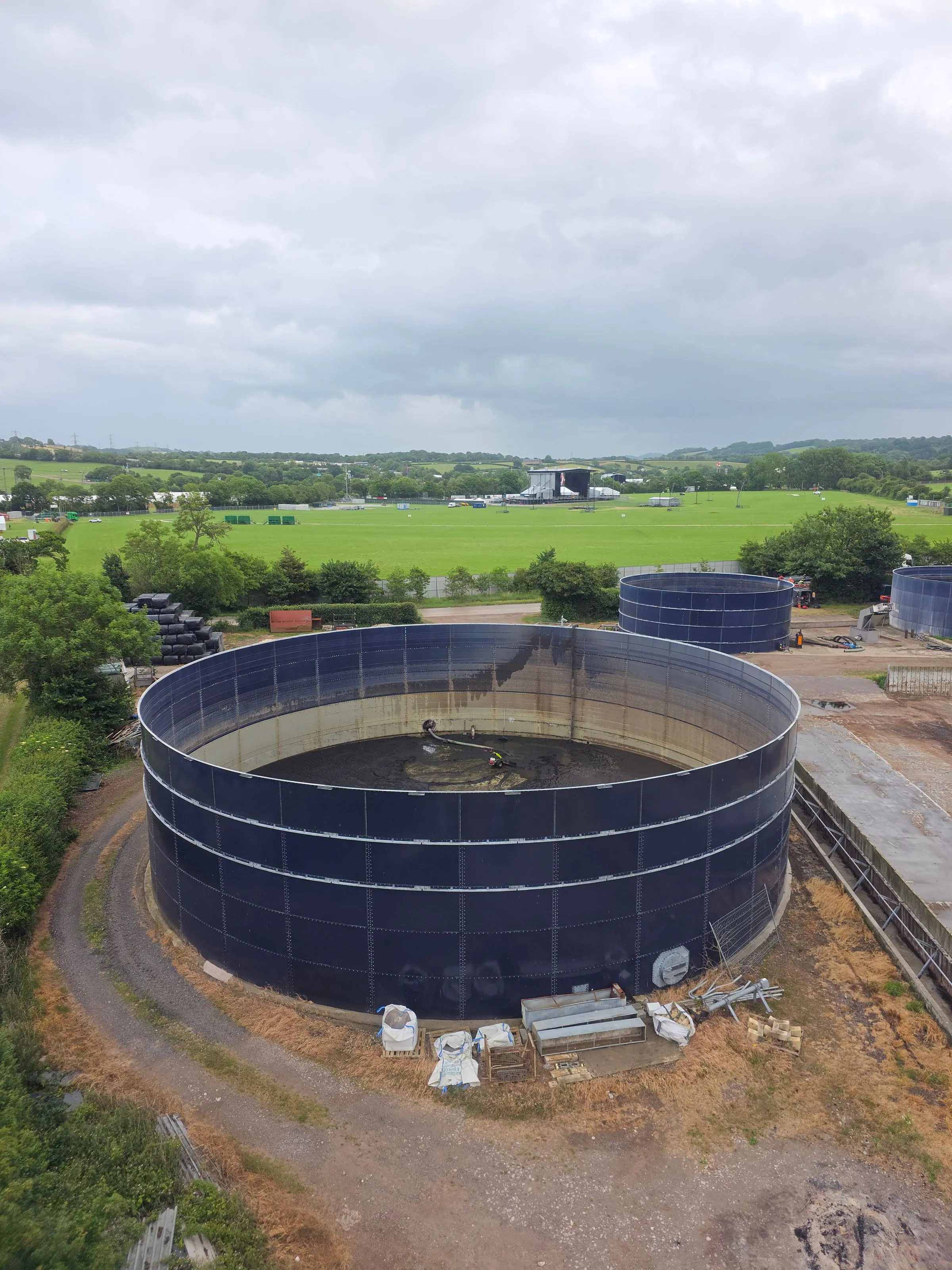
Ultrasonic & Radar Liquid Level System
Every tank level — the right sensor, per tank.
Ultrasonic for clean, vented tanks. Radar for steam, foam, corrosion, heat, and pressure. One system, one platform — selection reviewed tank by tank.
The medium picks the sensor — not the brochure.
Clean, vented, cost-sensitive water and chemical tanks run economically on ultrasonic. Steam, foam, corrosive media, high temperature, and pressure call for radar. Fitting one technology everywhere either over-spends on simple tanks or fails on demanding ones.
The Volivue system reviews every tank — medium, temperature, pressure, vapor, foam — and mixes sensor types freely on one farm, with all signals landing on the same platform.
One system across the whole tank farm.
Ultrasonic where simple is smart.
Clean water, wastewater basins, and atmospheric non-corrosive liquids don't need premium instruments. Top-mounted ultrasonic delivers reliable level at utility-grade cost — the right answer for most of a typical farm.
Blind-zone and temperature effects are planned during application review.
Radar where the process fights back.
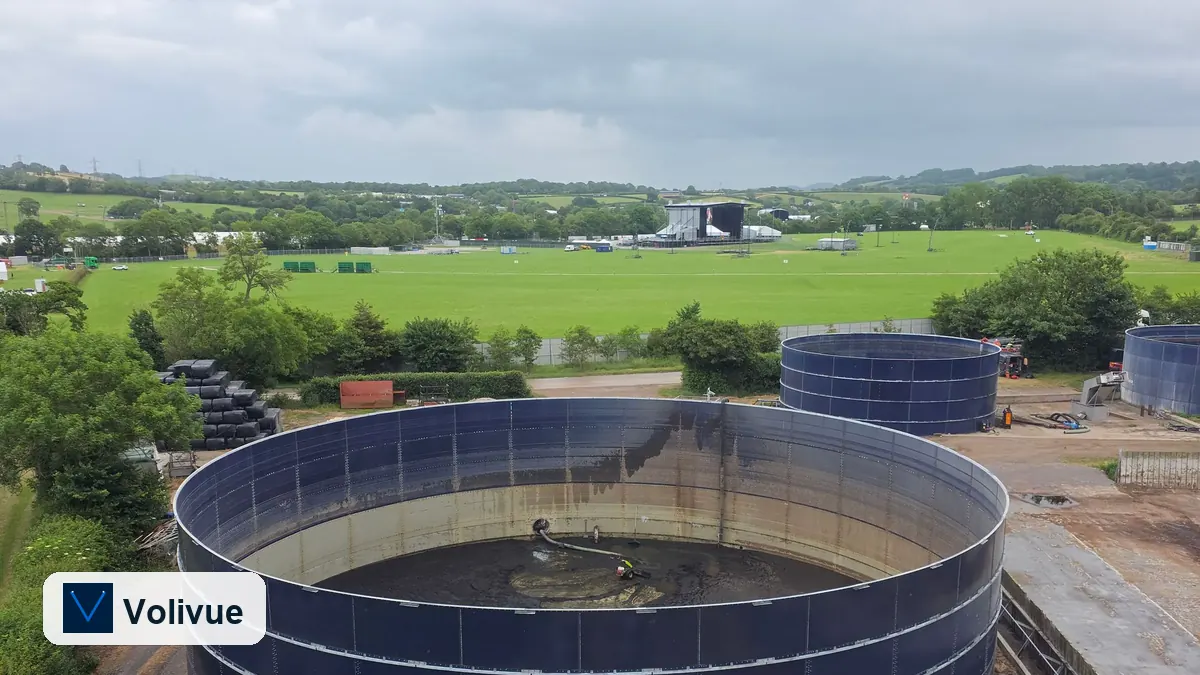
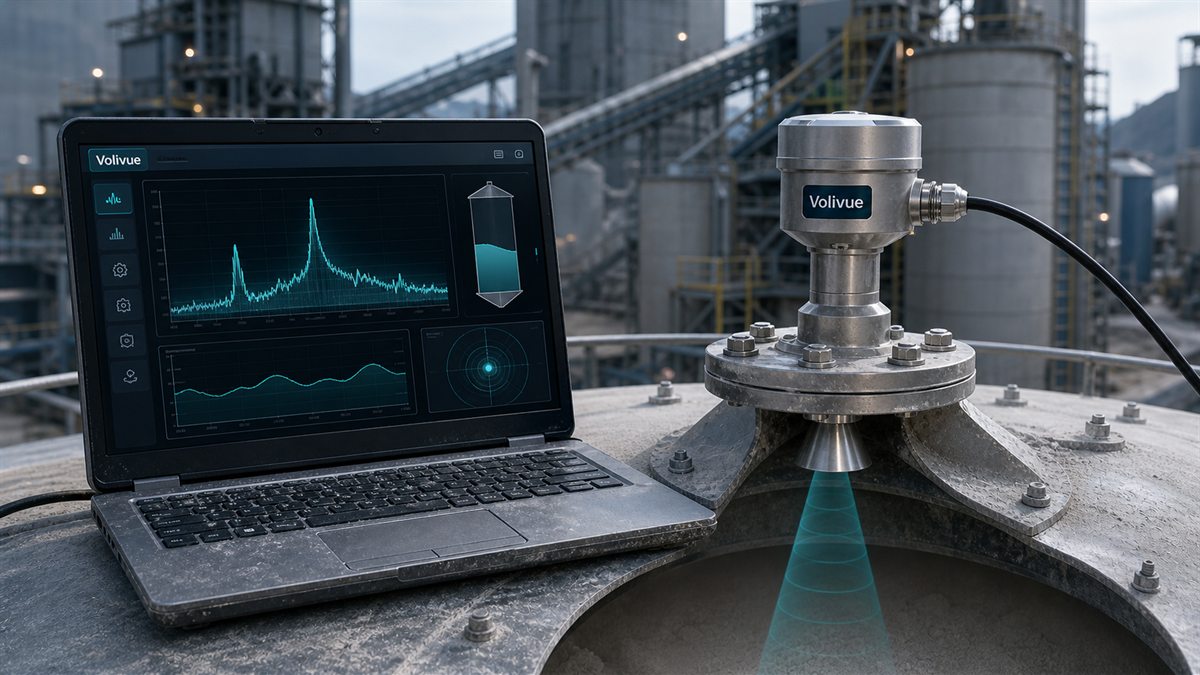
Steam blankets, foam layers, corrosive vapor, high temperature, and pressure defeat ultrasonic — and that's radar territory. FMCW transmitters with PTFE and 316L wetted options hold a stable level signal where contact and ultrasonic instruments fail.
Hazardous-area variants are confirmed by model and project conditions.
Alarms that protect, dashboards that plan.
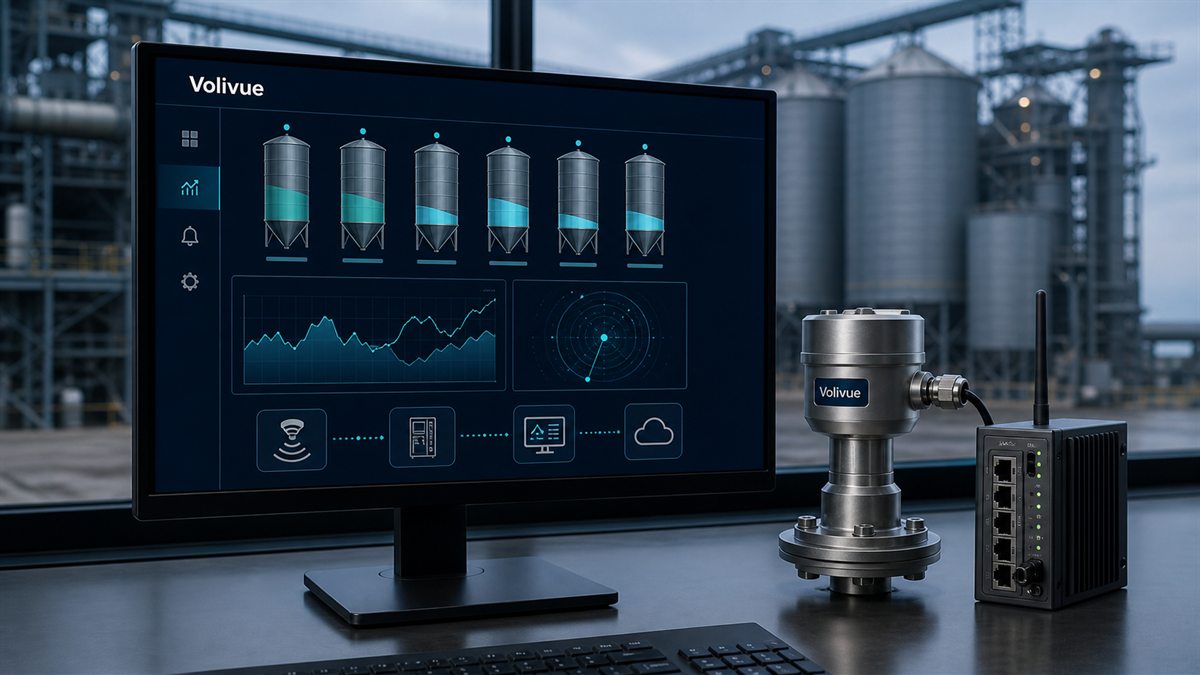
High/low alarm interlocks guard against overfill spills and pump dry-run damage. The platform converts level to volume by tank geometry, tracks consumption trends, and brings remote, unmanned tank farms onto the same screen.
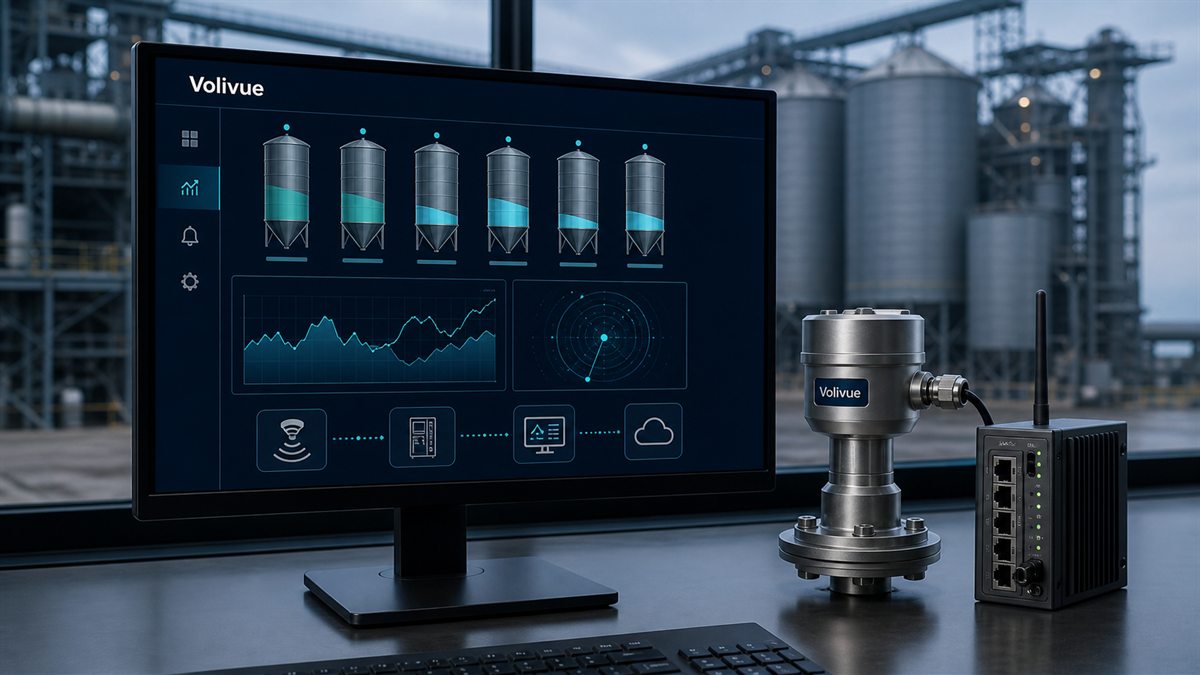
Mixed ultrasonic and radar farms report through one dashboard.
Match your tank to a proven package.
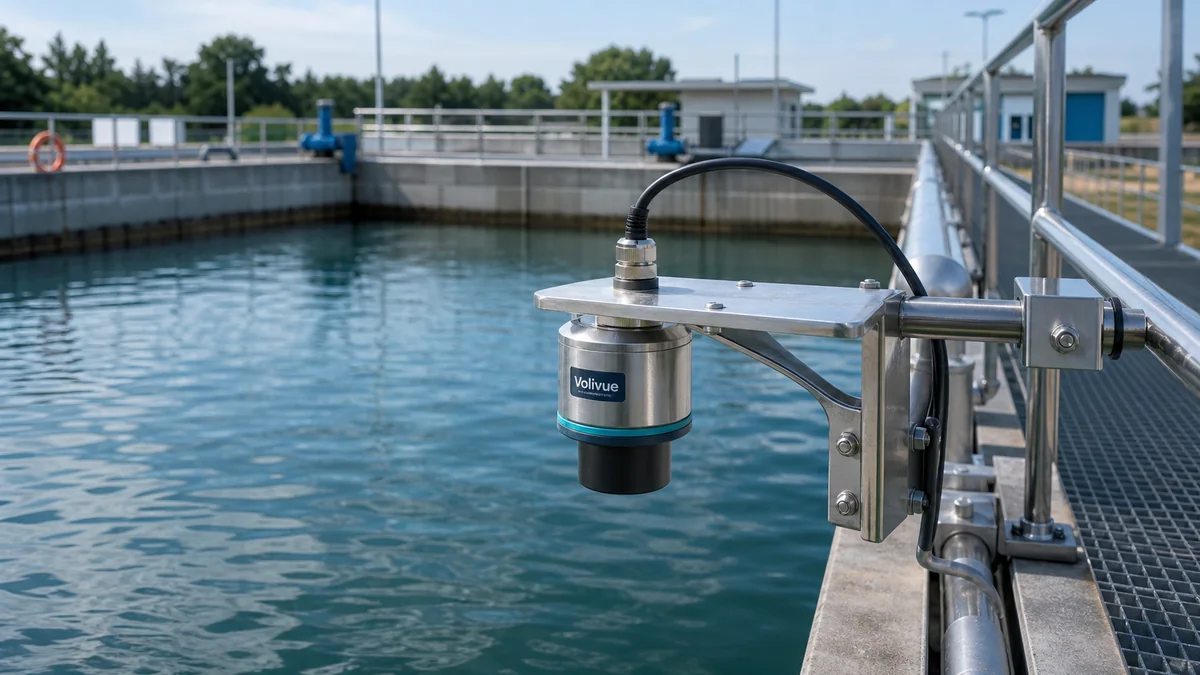
Clean water & utility tanks
Ultrasonic keeps vented water and utility tanks economical and reliable.
View application →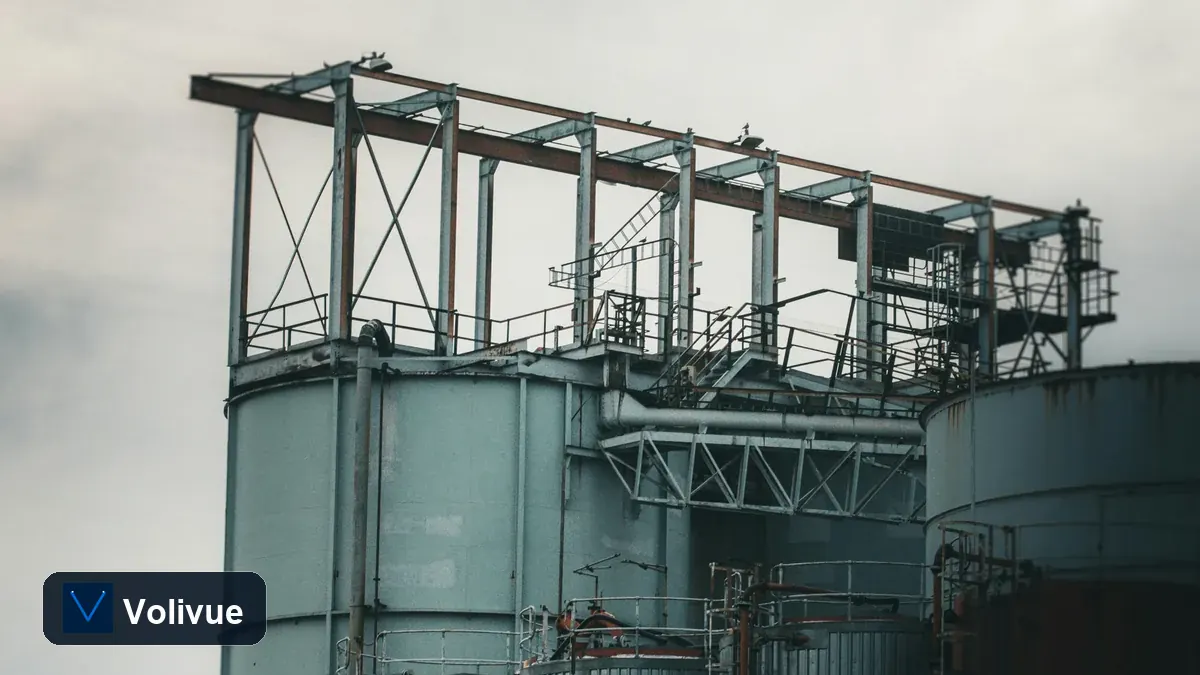
Corrosive process chemical tanks
Radar with PTFE wetted parts holds level through vapor and corrosion.
View application →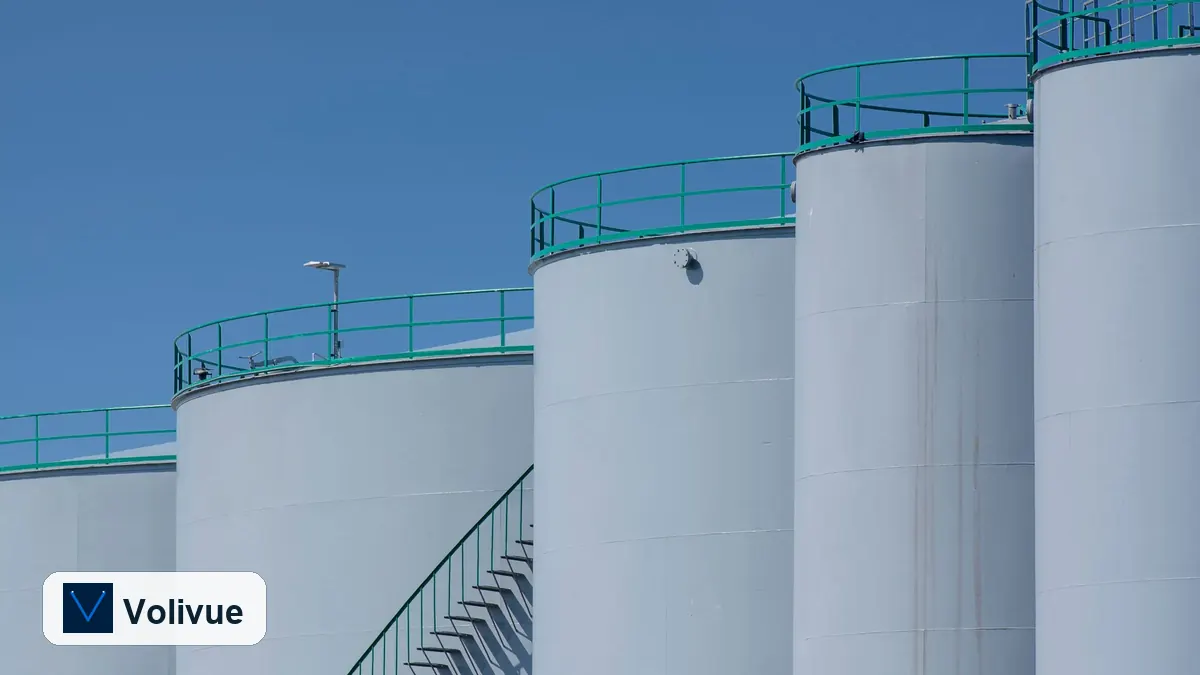
Fuel & lubricant tanks
Stable level for low-dielectric oils; hazardous-area variants by project.
View application →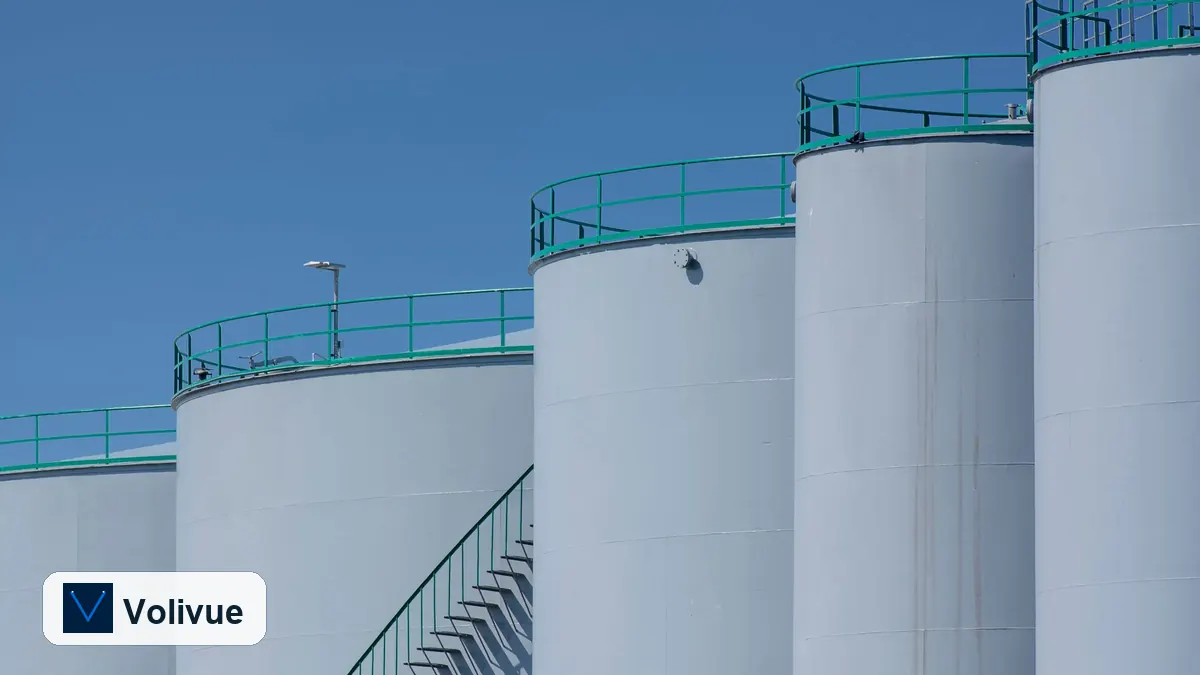
Remote tank farms & alarms
Unmanned farms report levels and alarm states to one dashboard.
View application →Twelve points to check before you instrument the farm.
The two right-hand columns reflect single-technology suppliers as commonly quoted and float or sight-glass gauging — verify the details with each vendor.
Hazardous-area variants, wetted materials, and final ranges are confirmed by model and project conditions.
How do I choose between ultrasonic and radar?
Start with the medium and process: clean, vented, atmospheric tanks run economically on ultrasonic; steam, foam, corrosive vapor, high temperature, or pressure call for radar. The application review decides per tank — and both report to the same platform.
Can one tank farm mix both technologies?
Yes — that is the standard outcome of a per-tank review. Simple tanks get ultrasonic, demanding ones get radar, and the platform consolidates every level, volume, and alarm on one dashboard.
Does foam or steam break the measurement?
It breaks ultrasonic. Radar penetrates steam blankets and most foam layers; where foam is severe, antenna selection and sensitivity are planned during review so the signal stays on the liquid surface.
What about corrosive chemicals?
Radar with PTFE lens and 316L stainless wetted options measures without contacting the medium. Material compatibility is confirmed per chemical during the review.
Can it handle pressurized or sealed vessels?
Radar can — ultrasonic cannot. Sealed and pressurized process vessels are automatically routed to radar with the appropriate process connection, confirmed by project conditions.
What is the ultrasonic blind zone?
Ultrasonic sensors cannot measure within a short distance of the transducer face. The blind zone is planned against your nozzle height and maximum fill level during review, so it never clips real operating range.
What outputs and alarms are available?
4–20 mA, HART, and RS485/Modbus at the instrument; relay alarm options for high/low limits; OPC UA, REST API, and MQTT through the platform. Overfill and pump dry-run interlocks can act locally or system-side.
Can level be reported as volume?
Yes. The platform converts level to volume per tank geometry — vertical, horizontal, and cone-bottom tanks — with density assumptions for mass where needed.
Do remote, unmanned tank farms work?
Yes. Gateway-connected farms report levels and alarm states over the network to the same dashboard, with low-level alerts giving dispatch time to schedule deliveries.
Is a hazardous-area version available?
ATEX / IECEx variants are available and confirmed by model and project conditions. Equipment placement follows the site zoning documentation reviewed during the project.
How do I get a price?
Volivue sells factory-direct with a configured quotation per tank list. Send the medium, temperature, pressure, and geometry per tank — engineers reply with a reviewed technology split, typically within one business day.
What information should I prepare for the review?
Per tank: medium, temperature, pressure, vented or sealed, geometry and nozzle details, hazardous-area classification if any, and the target interface or system the data should reach.
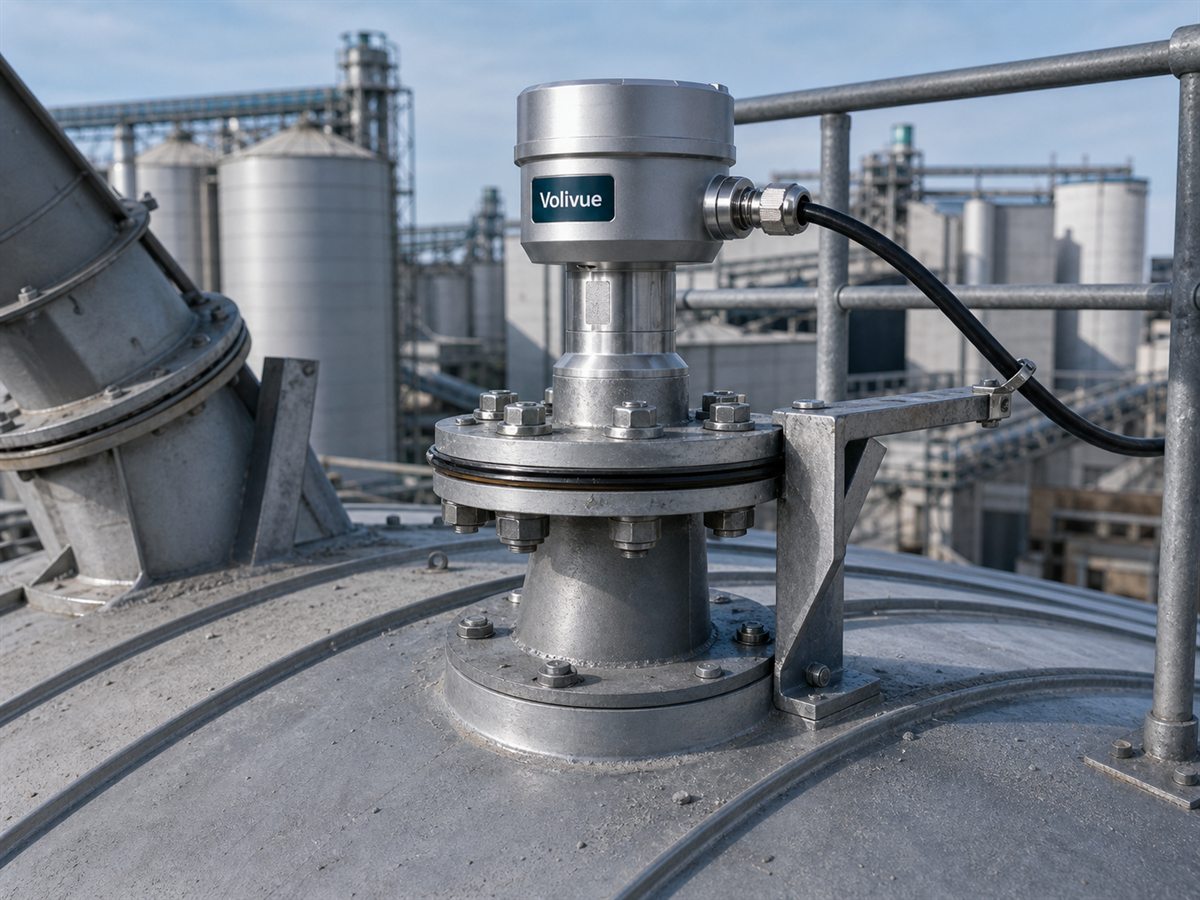
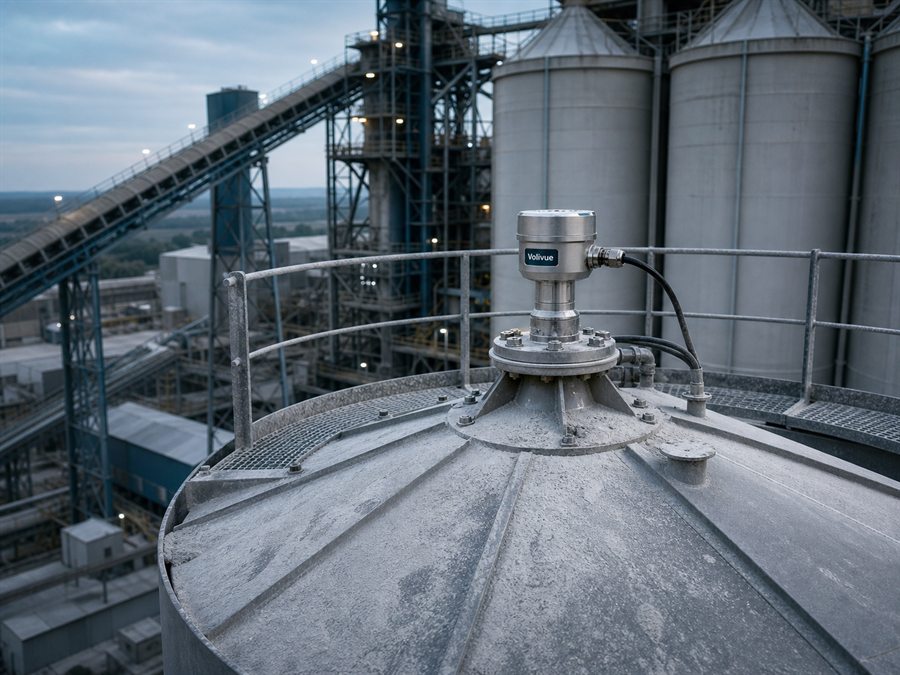
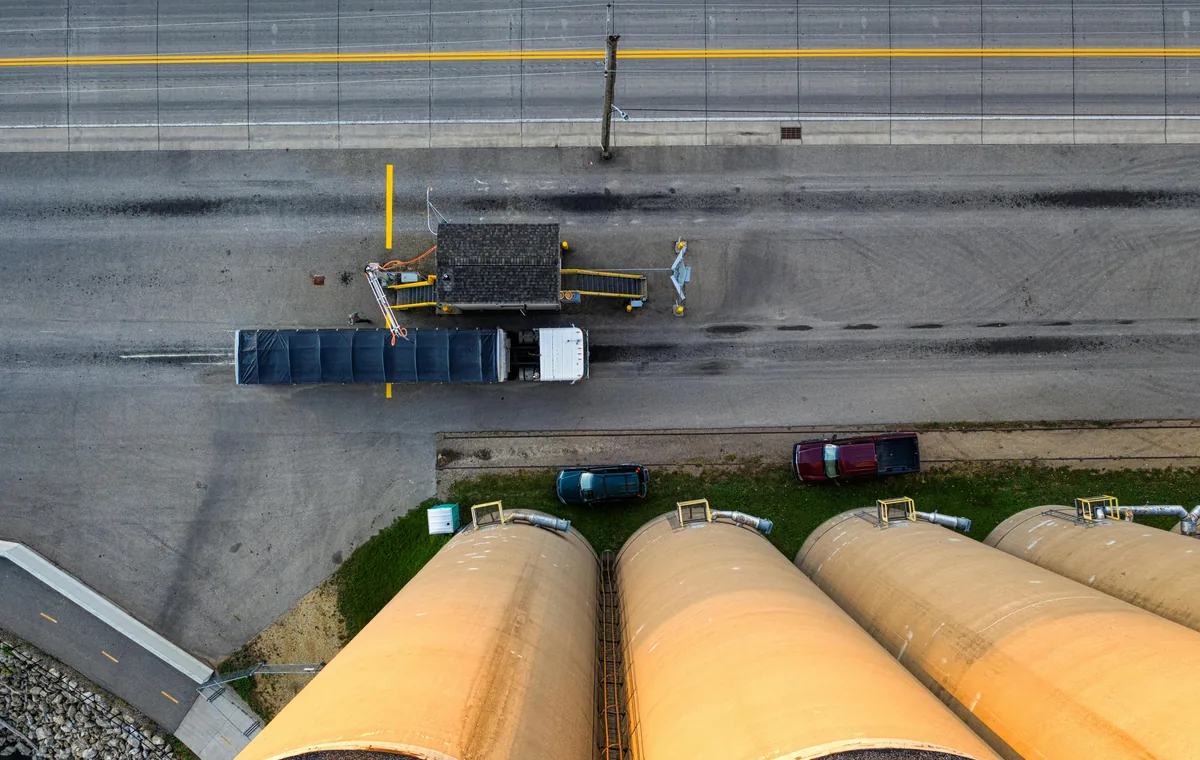
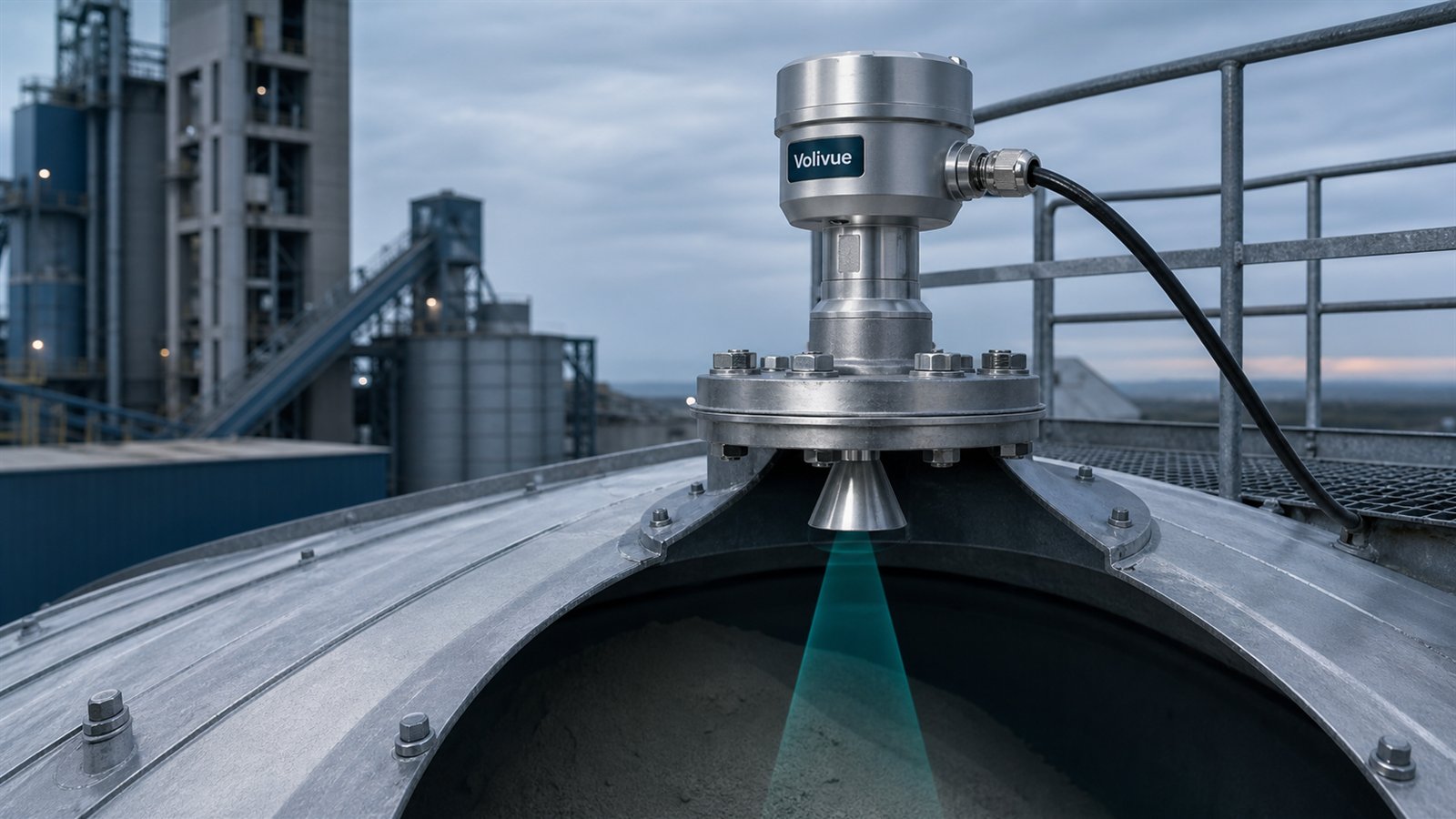
Real roofs, real legs, real yards.
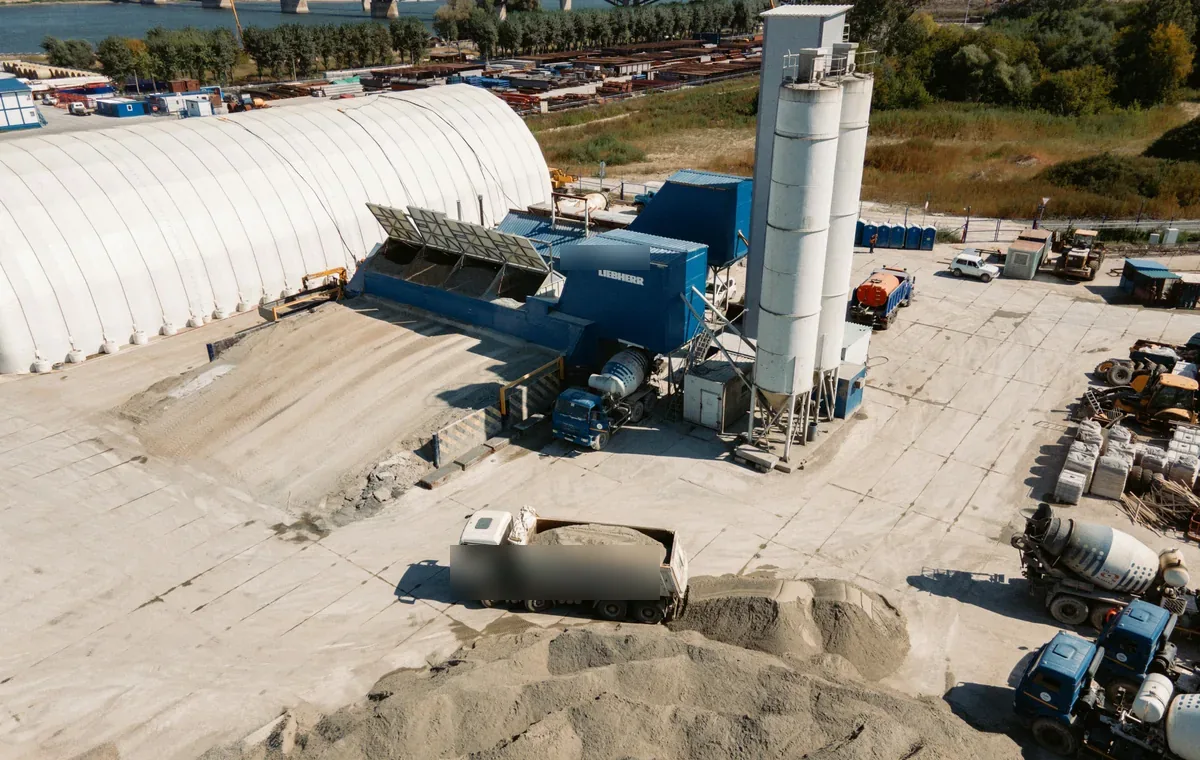
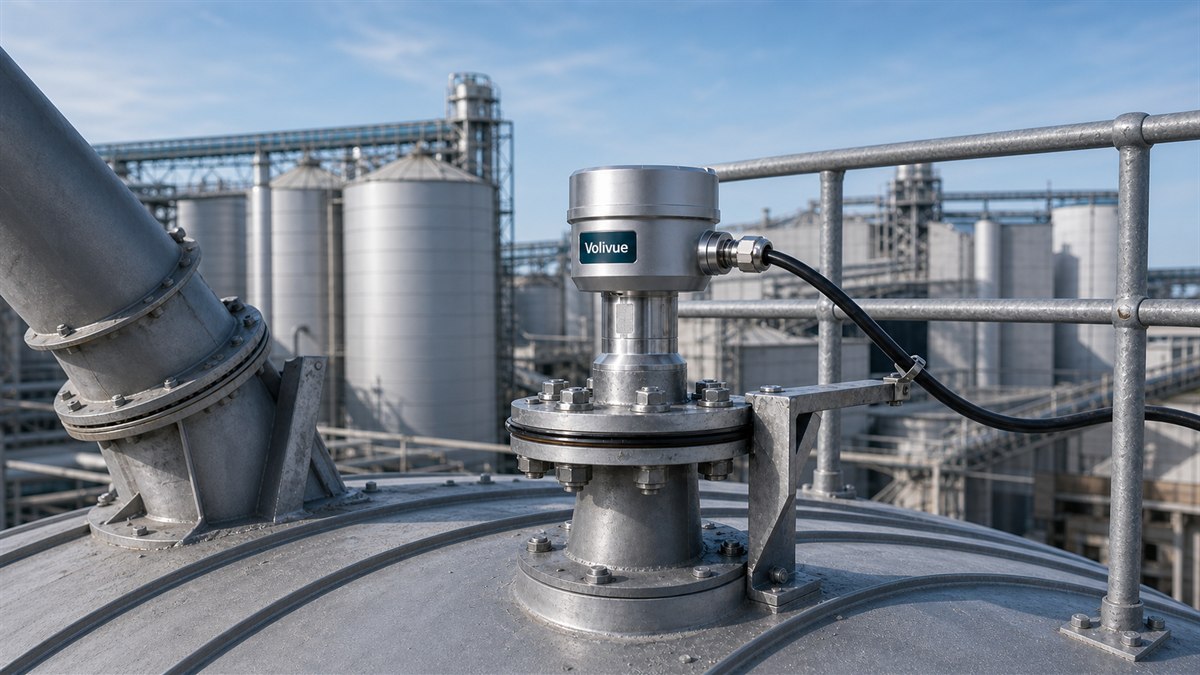
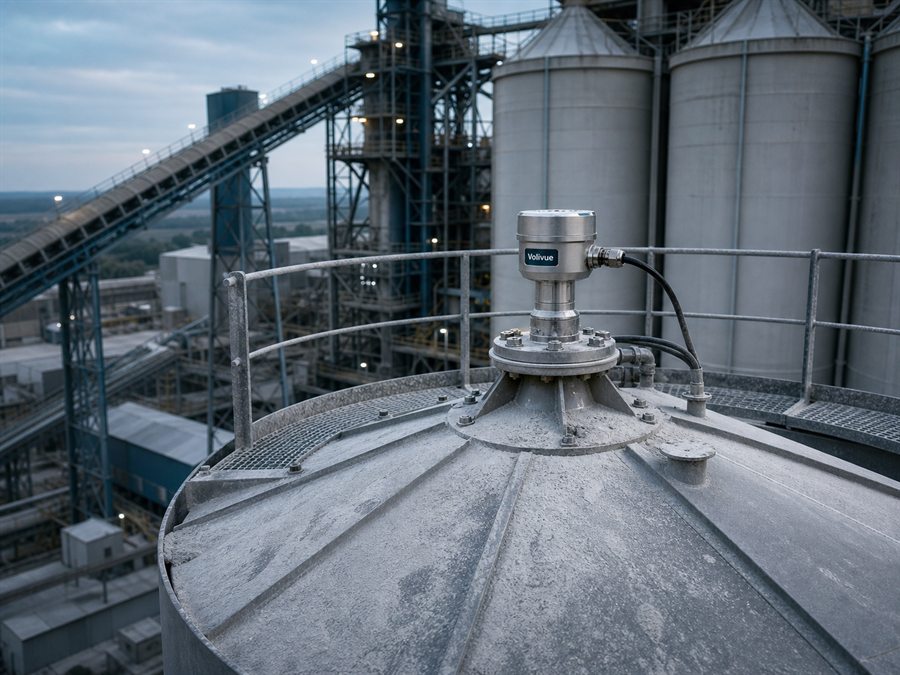
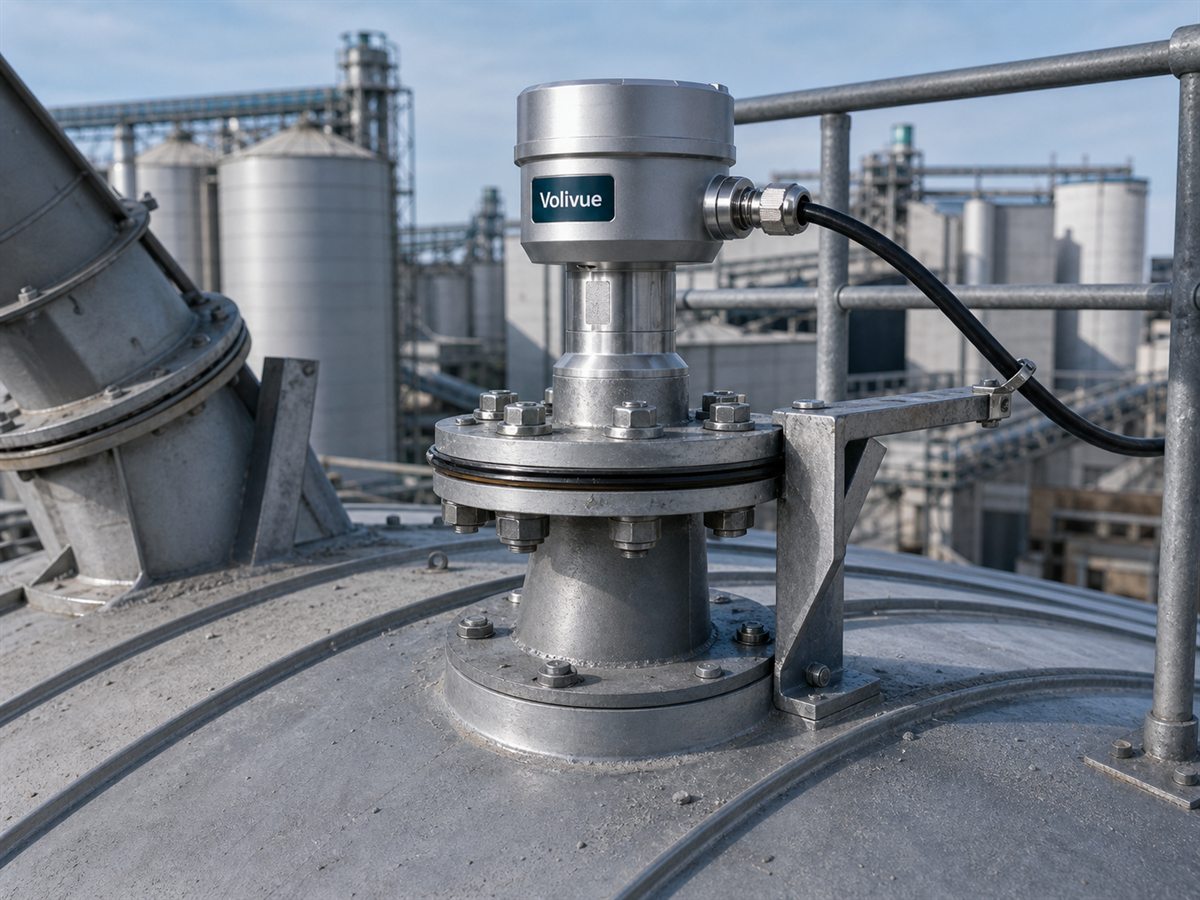
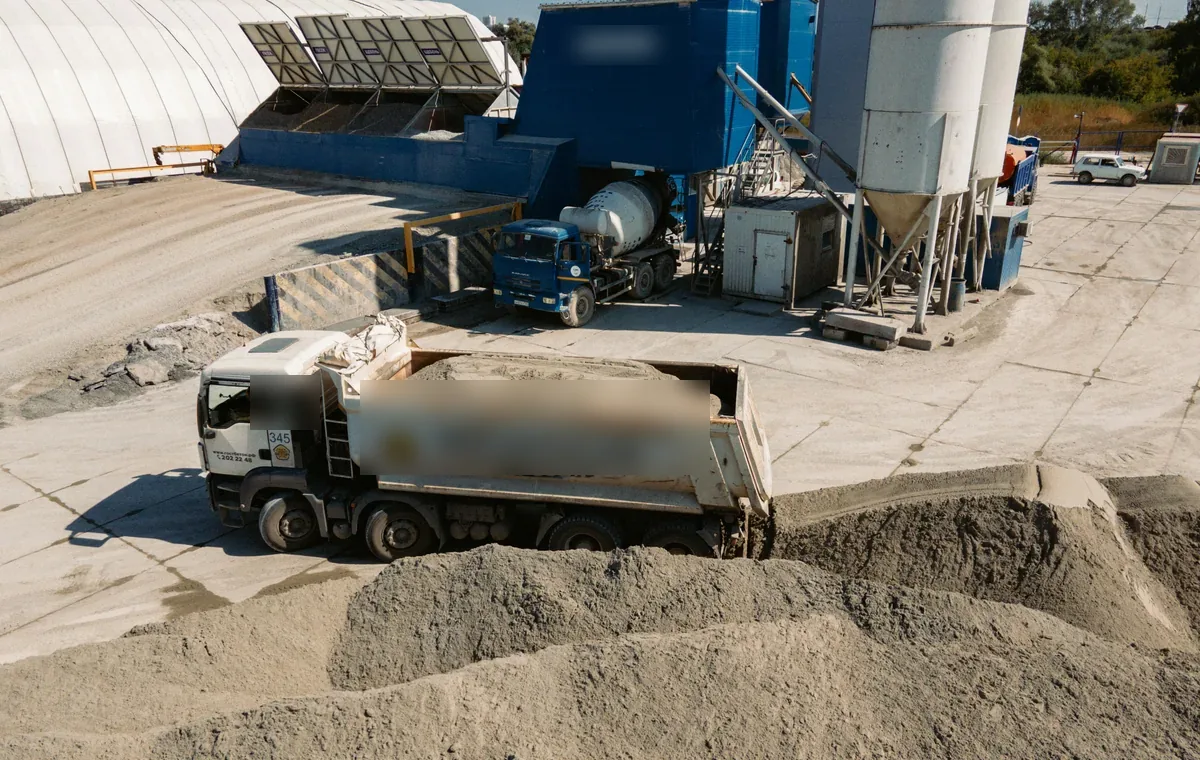
Field installations across cement plants, batching stations, tank farms, and stockyards.



Send tank drawings, medium, temperature, and output target.
Share tank drawings, medium name, height, nozzle details, temperature, pressure, vapor or foam condition, output target, country or region, and hazardous-area need if any.
Related technical insights
Why Point Level Sensors Fail on Open Stockpiles
Why point level sensors struggle with stockpile volume measurement on open piles, and how 3D LiDAR area scanning closes the gap on irregular heaps.
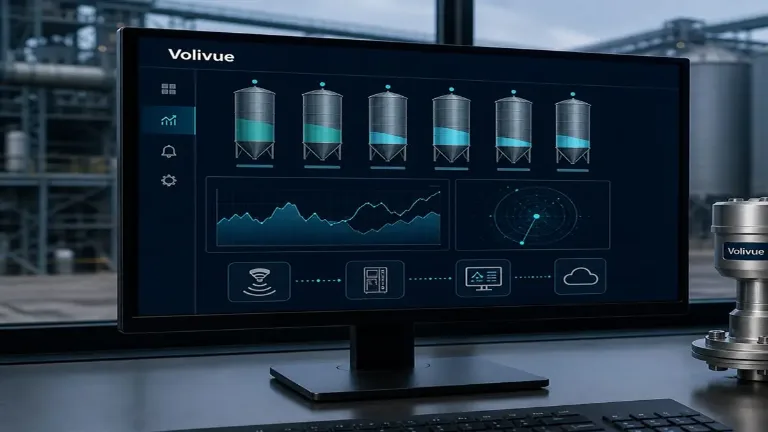
Ultrasonic Pump Control: A Beginner’s Guide to Relay-Based Level Switching
Beginner's guide to ultrasonic pump control: set high/low levels, wire the relay for start/stop, add hysteresis, and prevent overflow and dry-run.
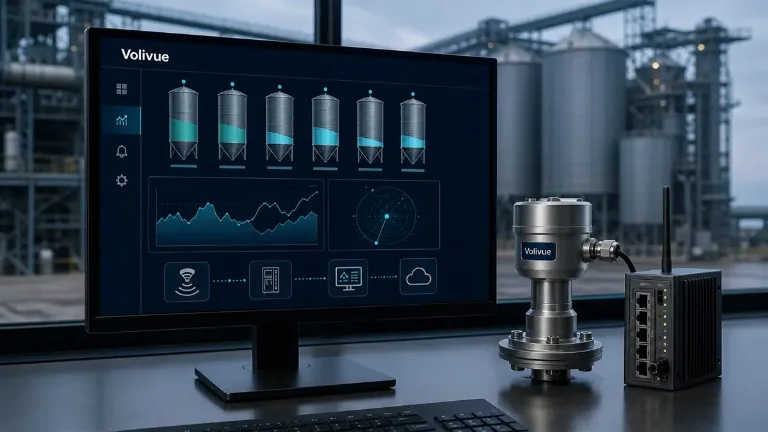
Radar Level SCADA Integration: 4–20 mA/HART, Modbus, and Relay Paths to PLC and DCS
A practical guide to radar level SCADA integration across 4–20 mA/HART, RS485 Modbus, and relay paths into PLC and DCS, with wiring and alarm logic.