 EN
EN 中文
中文 ES
ES RU
RU FR
FR PT
PT AR
AR DE
DEقياس المستوى بالرادار 80GHz للصوامع العالية والضيقة وذات التراكم على الجدران
الصوامع العالية والضيقة للمساحيق او الحبيبات الناعمة عرضة لتراكم المادة على الجدران وترسبات المدخل وظروف صدى صعبة لان الشعاع يجب ان يقطع مسافة طويلة في مساحة ضيقة.
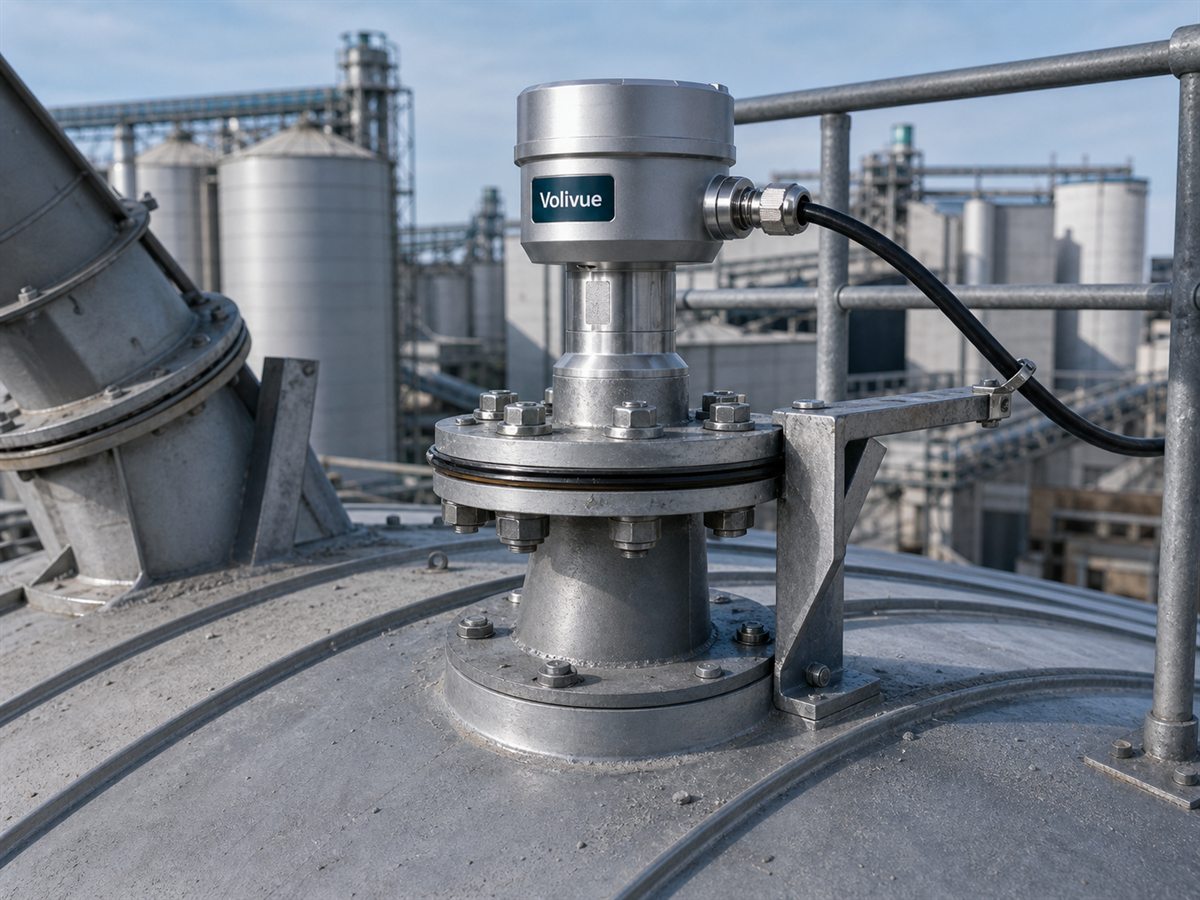
أكد مشكلة الموقع ونهج Volivue والعائد التشغيلي المتوقع قبل الاختيار النهائي.
تخلق المادة الملتصقة بجدران الصومعة مصادر اصداء كاذبة تتغير مواضعها مع الوقت، والصوامع العالية ذات القطر الصغير تحد من خيارات التركيب وتزيد خطر تقاطع مسار الشعاع مع التراكم على الجدار او اقماع المخرج.
استخدم رادار 80GHz من Volivue بهوائي عدسي ضيق بزاوية 3 درجات لتقليل تداخل الجدار، وضع التركيب في مركز اعلى الصومعة، وطبق قمعا تكيفيا للاصداء الكاذبة، وتاكد من ان نطاق القياس الادنى والاقصى يغطي كامل الارتفاع الفعال للصومعة.
يبقى قياس المستوى مستقرا رغم الالتصاق على الجدران والهندسة الضيقة، مما يقلل الانذارات المزعجة ويمنح التشغيل اشارة مستوى موثوقة طوال وردية انتاج كاملة.
Long beam paths, close walls, and buildup that keeps moving
Tall, narrow silos force the radar beam to travel a long distance inside a tight cylinder, so even a small beam angle puts energy near the walls at depth. Fine powders make it worse: wall buildup grows, sheds, and regrows, creating false echo sources that change position over weeks, which means a static suppression curve recorded once will slowly stop matching reality.
The Volivue package for this geometry is the 3-degree narrow-beam lens antenna mounted at the silo top center, paired with adaptive false echo suppression that follows slow buildup changes. If no center position can be made available, or internal obstructions dominate the cross-section, a leg-supported silo can switch to the Volivue patch-mount weighing system, where wall buildup simply does not affect the measurement.
Center mounting, blind zone margin, and adaptive suppression
The mounting plan starts with the center: a top-center nozzle keeps the 3-degree beam clear of both walls along the full height. The blind zone below the antenna must stay above the maximum fill line, which on a tall silo usually costs little capacity but must be confirmed against the real fill stop level rather than the drawing.
Adaptive false echo suppression is tuned over the first few fill and discharge cycles so the algorithm learns which reflections belong to the structure and which track product. The output side is conventional, with 4-20mA plus HART or Modbus into PLC and SCADA, and alarm limits are set after the first complete cycles, once the trend has shown the true working range of the silo.
Four checks for tall and narrow silo projects
- Inner diameter and total height measured, with the height-to-diameter ratio checked against the 3-degree beam footprint at the cone.
- Nozzle position assessed for distance from the geometric center, with offsets documented in photos for a beam-path review.
- Buildup history recorded: where deposits form, how thick they get, and how often the silo is cleaned.
- Range and blind zone confirmed so the maximum fill level keeps a safe margin below the antenna reference plane.
Our only available nozzle is off-center, close to the wall. Is the project still feasible?
Often yes, but it needs a review rather than an assumption. With the drawing and the offset distance, the beam path can be checked against wall clearance over the full height; options include a small aiming adjustment, mapping the wall reflection, or fabricating a center nozzle. Tall silos are exactly where guessing is most expensive.
Buildup thickness changes through the year. Will someone need to re-record the false echo map?
Adaptive suppression is designed to track slow changes such as growing or shedding buildup without manual re-mapping. A manual re-map is only worth scheduling after structural changes: new internals, a relocated fill pipe, or a major cleaning that removes thick deposits the algorithm had learned around.
خمس مراجعات تحدد الطراز والتركيب والإعداد والمخارج.
جمع الصور والهندسة
تأكيد الارتفاع والقطر والوصول والفوهة والزاوية والمنطقة العمياء والعوائق الداخلية.
مراجعة الوسط والعملية
الحالة السائلة أو الصلبة والعزل والغبار والرغوة والبخار والتآكل والاضطراب والخلاط والحرارة والضغط تحدد جودة الصدى.
اختيار حزمة الرادار
اختيار المدى والهوائي أو العدسة والوصلة والختم والحماية والكابلات والملحقات.
تحديد المخارج المفيدة
تحديد 4-20mA + HART وRS485/Modbus وPLC واللوحة والتنبيهات والاتجاه أو المخزون.
الإعداد والتحقق
فحص التدرج والصدى الكاذب ومراجع الفارغ/الممتلئ والتنبيهات وBluetooth والاتجاه ببيانات الموقع.
التسليم والدعم عن بعد
تأكيد الوثائق وتدريب المشغل وقطع الغيار وقناة دعم عن بعد للحفاظ على التدرج وإعدادات الصدى والتكامل بعد التشغيل.
أسئلة تمنع اختيارا خاطئا وتوقعات SEO غير صحيحة.
هل يناسب السوائل والمواد الصلبة؟
نعم، للخزانات والصوامع والقواديس والأوعية بعد مراجعة التطبيق.
هل يقيس الوزن مباشرة؟
لا. يقيس المسافة أو المستوى؛ الحجم أو الكتلة يحتاجان إلى الهندسة والكثافة.
هل يتعامل مع الغبار والرغوة والبخار والتآكل والحرارة العالية؟
يمكن مراجعة هذه الظروف؛ الملاءمة تعتمد على الوسط والحرارة والضغط والوصلة والصدى والطراز.
ما فائدة Bluetooth؟
فحص المعلمات والصدى والتدرج والتشخيص أثناء الإعداد أو الصيانة.
هل يتصل ب PLC أو SCADA؟
نعم، عبر 4-20mA + HART أو RS485/Modbus اختياري أو بوابة أو لوحة أو API حسب المشروع.
هل يدعم المناطق الخطرة؟
يمكن مراجعة المتطلبات، لكن لا يتم ادعاء ATEX أو IECEx أو SIL أو شهادة محلية دون وثائق.
ما المطلوب أولا؟
صور الموقع والفوهة والوسط والحرارة والضغط والخرج المطلوب والطريقة الحالية والرسومات.
ما مدة التسليم والدعم بعد البيع المعتادة؟
تعتمد مدة التسليم على الطراز والهوائي ووصلة العملية والكمية، وتؤكد بعد مراجعة التطبيق. ويشمل الدعم بعد البيع الوثائق وإرشاد التشغيل وقطع الغيار والمساعدة عن بعد.
أرسل صور الموقع والفوهة والوسط والحرارة والخرج المطلوب.
شارك الصور والوسط والحرارة والفوهة والغبار أو الرغوة والعوائق والخرج والبلد والرسومات المتاحة.