 EN
EN 中文
中文 ES
ES RU
RU FR
FR PT
PT AR
AR DE
DEالوزن اللاصق للتحديث للصوامع القائمة المدعومة بارجل
غالبا ما تحتاج المصانع ذات الصوامع القائمة المدعومة بارجل الى اضافة مراقبة المخزون دون ايقاف الانتاج او قطع فتحات في السقف او تفريغ الصومعة او القيام بمشروع وزن هيكلي كامل.

أكد مشكلة الموقع ونهج Volivue والعائد التشغيلي المتوقع قبل الاختيار النهائي.
تتطلب تحديثات خلايا الحمل التقليدية رفع الصومعة او تعديلا هيكليا او ايقاف الانتاج، وتحتاج مستشعرات المستوى بالموجات فوق الصوتية او الرادار الى فوهة في السقف لا تتوفر في كثير من الصوامع القائمة دون تصنيع مكلف.
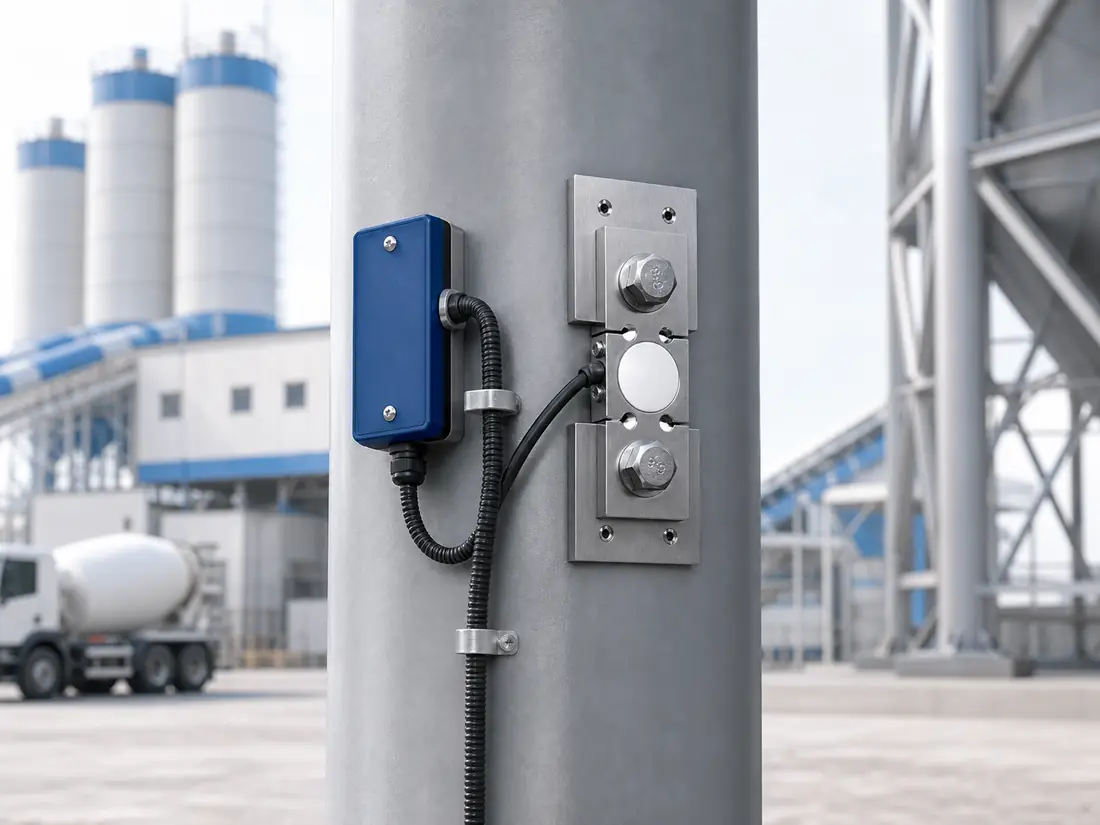
استخدم مستشعرات اجهاد لاصقة على ارجل الدعم القائمة لتحديث مراقبة المخزون دون تغيير هيكلي او عمل في السقف او تفريغ الصومعة، ثم اوصل ببرمجيات سحابية والاتمتة القائمة عبر 4-20mA او RS485.
يضيف المصنع مخزون صومعة في الوقت الفعلي الى صومعة قائمة مدعومة بارجل دون انقطاع الانتاج، متجنبا تكلفة التعديل الهيكلي ومقللا وقت توقف التركيب الى 2-4 ساعات لكل صومعة عادة.
Existing silos, no crane, no roof work, no shutdown
Most inventory projects on existing silos die on the same three rocks: a load-cell retrofit means lifting the silo and modifying the structure, a roof-mounted level sensor needs a nozzle that was never fabricated, and either path seems to require a production stop. The silos most worth instrumenting, the busy and full ones central to daily output, are exactly the hardest to take offline.
Patch-mount weighing was shaped around this constraint: the sensors attach to the existing support legs, so there is no structural modification, no roof opening, and no need to empty the silo. The honest boundary is leg access. Skirt-supported and concrete silos without instrumentable steel legs are not candidates, and there a roof-nozzle radar remains the fallback when an opening exists or can be added.
Survey, mount, calibrate: typically 2-4 hours per silo
A retrofit starts with a short survey: leg sections and surfaces photographed, power and cable routes checked, and the output path into existing automation agreed. On installation day the sensors go onto the legs at the planned positions, the controller is wired and powered, and the silo keeps operating throughout. Typical time on a prepared silo is 2-4 hours.
First readings use the current estimated inventory as a starting baseline, then calibration sharpens with the next known delivery or metered discharge. Outputs are chosen to match the plant: 4-20mA into an existing PLC channel, RS485 onto a bus, or the cloud API where the site prefers dashboards over wiring. Old silos end up reporting like new ones.
Four checks before booking a retrofit crew
- Every leg photographed and measured: cross-section, surface condition, and free working space at the planned sensor height.
- Power confirmed near the silo group, or a supply route planned for the controller.
- Output path agreed with the controls team: spare PLC channel, RS485 bus position, or cloud-only operation.
- Next known delivery or discharge scheduled so calibration can be refined immediately after installation.
Do we have to empty the silo, or at least run it down, before installation?
No. Installation happens at whatever load the silo carries that day. The system records the current state as its baseline and converts it into calibrated tonnage as soon as the next weighed delivery or metered discharge provides a known change. Deliberately running stock down before the crew arrives gains nothing.
Our silos were built in different decades and the leg designs vary. Does that block the retrofit?
Varying leg designs change the survey, not the feasibility: each silo is configured individually for its leg count and section, and sensor positions are set per leg during the site review. What actually disqualifies a silo is having no accessible steel legs at all, which the photo survey establishes before any crew is booked.
من الرسومات إلى البرنامج العامل
مراجعة الموقع
أرسل الرسومات وصور الأرجل والمادة والسعة ومسار الكابل والمخارج.
الاختيار والعرض
تراجع Volivue الهيكل والدقة والاتصال ونطاق البرنامج.
تجهيز المصنع
تجهز الحساسات والمتحكم وإعدادات الاتصال المدمج وحساب البرنامج والمخارج.
تركيب سريع
الصومعة الجاهزة تستغرق عادة 2-4 ساعات حسب الوصول والمعايرة.
المعايرة والتشغيل
بيانات التعبئة أو التفريغ أو المخزون المعروفة تحسن الحساب.
دعم عن بعد
يشمل استخدام البرنامج وفحص البيانات والتنبيهات والتكامل.
أسئلة قبل عرض السعر
هل يتطلب التركيب إيقاف الإنتاج؟
في مواقع كثيرة جاهزة يمكن التركيب الخارجي دون إيقاف. يتم مراجعة الوصول والكابلات والتصاريح والمعايرة.
هل يجب أن تكون الصومعة فارغة؟
عادة لا. النظام خارجي ويمكن استخدام بيانات معروفة للمعايرة.
كم عدد الأرجل المدعومة؟
النطاق التخطيطي 2-12 رجل بعد مراجعة الهيكل.
كيف تتحقق ±0.5-3% FS؟
تعتمد على الهيكل ومكان الحساس وبيانات المعايرة والخوارزمية.
هل تظهر البيانات على الجوال والكمبيوتر؟
نعم، يظهر المستوى والكتلة التقديرية والاتجاه والتنبيهات والتقارير.
هل يتصل ب PLC أو ERP أو MES؟
نعم. المخارج الشائعة تشمل 4-20mA وRS485 وAPI؛ ويتم تأكيد الاتصال المدمج وتكامل البرنامج أثناء مراجعة المشروع.
لنراجع مشروعك.
أرسل نوع الصومعة أو الخزان والرسومات والمادة ونقاط المراقبة والدولة أو المنطقة والواجهة المطلوبة.