 EN
EN 中文
中文 ES
ES RU
RU FR
FR PT
PT AR
AR DE
DEНакладное взвешивание для модернизации существующих силосов на опорах
Предприятиям с существующими силосами на опорах часто нужно добавить мониторинг запасов без остановки производства, вырезания отверстий в крыше, опорожнения силоса или полноценного проекта структурного взвешивания.
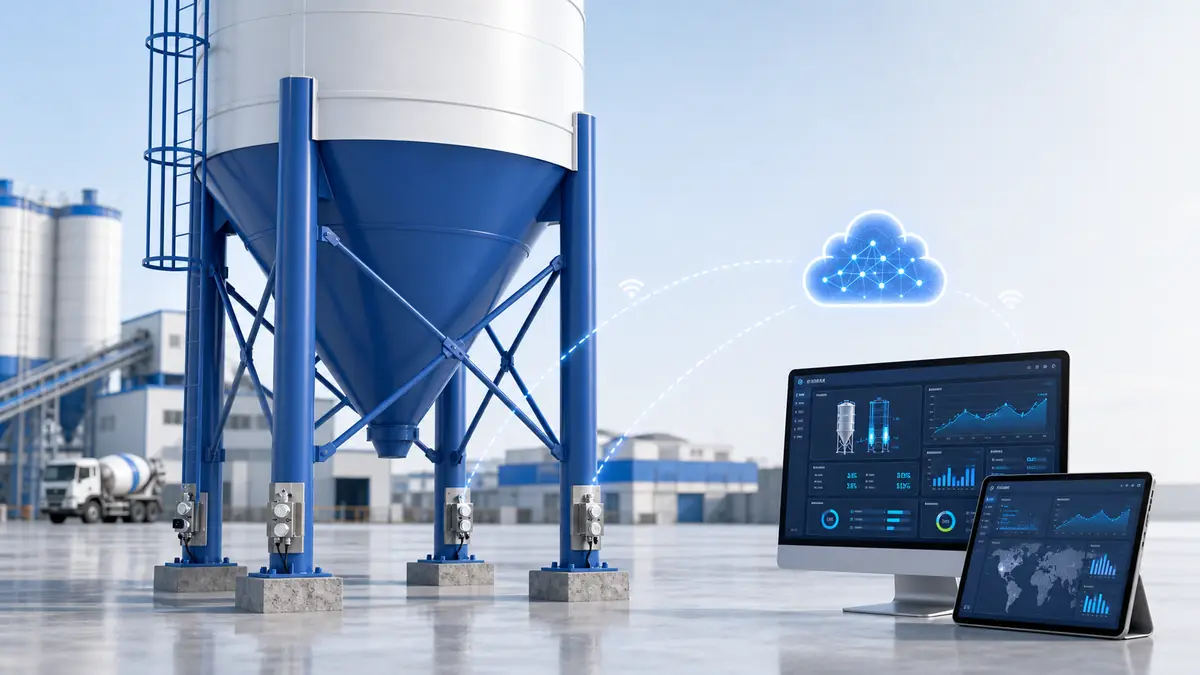
Перед окончательным выбором подтвердите проблему площадки, подход Volivue и ожидаемый операционный эффект.
Традиционная модернизация с тензодатчиками требует подъема силоса, структурной модификации или остановки производства, а ультразвуковые или радарные датчики уровня нуждаются в патрубке на крыше, которого у многих существующих силосов нет без дорогостоящего изготовления.
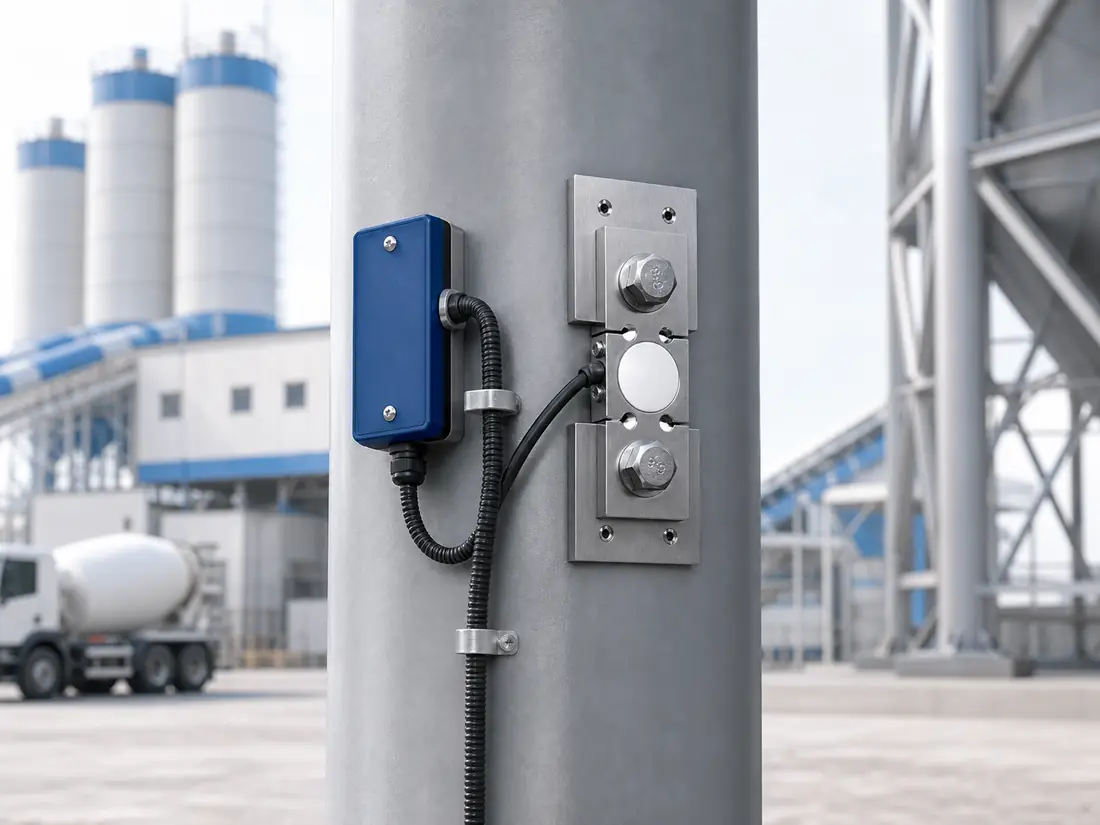
Используйте накладные тензодатчики на существующих опорных ногах для модернизации мониторинга запасов без структурных изменений, работ на крыше или опорожнения силоса, затем подключите облачное ПО и существующую автоматизацию через 4-20mA или RS485.
Предприятие добавляет учет запасов силоса в реальном времени на существующий силос на опорах без прерывания производства, избегая затрат на структурную модификацию и сводя простой установки обычно к 2-4 часам на силос.
Existing silos, no crane, no roof work, no shutdown
Most inventory projects on existing silos die on the same three rocks: a load-cell retrofit means lifting the silo and modifying the structure, a roof-mounted level sensor needs a nozzle that was never fabricated, and either path seems to require a production stop. The silos most worth instrumenting, the busy and full ones central to daily output, are exactly the hardest to take offline.
Patch-mount weighing was shaped around this constraint: the sensors attach to the existing support legs, so there is no structural modification, no roof opening, and no need to empty the silo. The honest boundary is leg access. Skirt-supported and concrete silos without instrumentable steel legs are not candidates, and there a roof-nozzle radar remains the fallback when an opening exists or can be added.
Survey, mount, calibrate: typically 2-4 hours per silo
A retrofit starts with a short survey: leg sections and surfaces photographed, power and cable routes checked, and the output path into existing automation agreed. On installation day the sensors go onto the legs at the planned positions, the controller is wired and powered, and the silo keeps operating throughout. Typical time on a prepared silo is 2-4 hours.
First readings use the current estimated inventory as a starting baseline, then calibration sharpens with the next known delivery or metered discharge. Outputs are chosen to match the plant: 4-20mA into an existing PLC channel, RS485 onto a bus, or the cloud API where the site prefers dashboards over wiring. Old silos end up reporting like new ones.
Four checks before booking a retrofit crew
- Every leg photographed and measured: cross-section, surface condition, and free working space at the planned sensor height.
- Power confirmed near the silo group, or a supply route planned for the controller.
- Output path agreed with the controls team: spare PLC channel, RS485 bus position, or cloud-only operation.
- Next known delivery or discharge scheduled so calibration can be refined immediately after installation.
Do we have to empty the silo, or at least run it down, before installation?
No. Installation happens at whatever load the silo carries that day. The system records the current state as its baseline and converts it into calibrated tonnage as soon as the next weighed delivery or metered discharge provides a known change. Deliberately running stock down before the crew arrives gains nothing.
Our silos were built in different decades and the leg designs vary. Does that block the retrofit?
Varying leg designs change the survey, not the feasibility: each silo is configured individually for its leg count and section, and sensor positions are set per leg during the site review. What actually disqualifies a silo is having no accessible steel legs at all, which the photo survey establishes before any crew is booked.
От чертежей до рабочего ПО
Проверка площадки
Отправьте чертежи, фото опор, материал, емкость, кабельный маршрут и выходы.
Подбор и расчет
Volivue проверяет конструкцию, точность, связь и объем ПО.
Подготовка на заводе
Готовятся датчики, контроллер, встроенные настройки связи, учетная запись ПО и выходы.
Быстрый монтаж
Готовый силос обычно занимает 2-4 часа в зависимости от доступа и калибровки.
Калибровка и запуск
Известные данные загрузки, выгрузки или остатка улучшают расчет.
Удаленная поддержка
ПО, проверка данных, тревоги и координация интеграции.
Вопросы перед расчетом
Нужна ли остановка производства?
На многих готовых объектах внешний монтаж возможен без остановки. Доступ, кабели, разрешения и калибровка проверяются заранее.
Силос должен быть пустым?
Обычно нет. Система внешняя и может калиброваться по известным данным.
Сколько опор поддерживается?
Плановый диапазон 2-12 опор после проверки конструкции.
Как достигается ±0.5-3% FS?
Это зависит от конструкции, положения датчиков, данных калибровки и алгоритма.
Данные видны на телефоне и ПК?
Да, доступны уровень, оценочная масса, тренды, тревоги и отчеты.
Есть подключение к PLC, ERP, MES или своему ПО?
Да. Обычные выходы включают 4-20mA, RS485 и API; встроенная связь и интеграция ПО подтверждаются при проверке проекта.
Проверим ваш проект.
Отправьте тип силоса или резервуара, чертежи, материал, точки контроля, страну или регион и целевой интерфейс.